
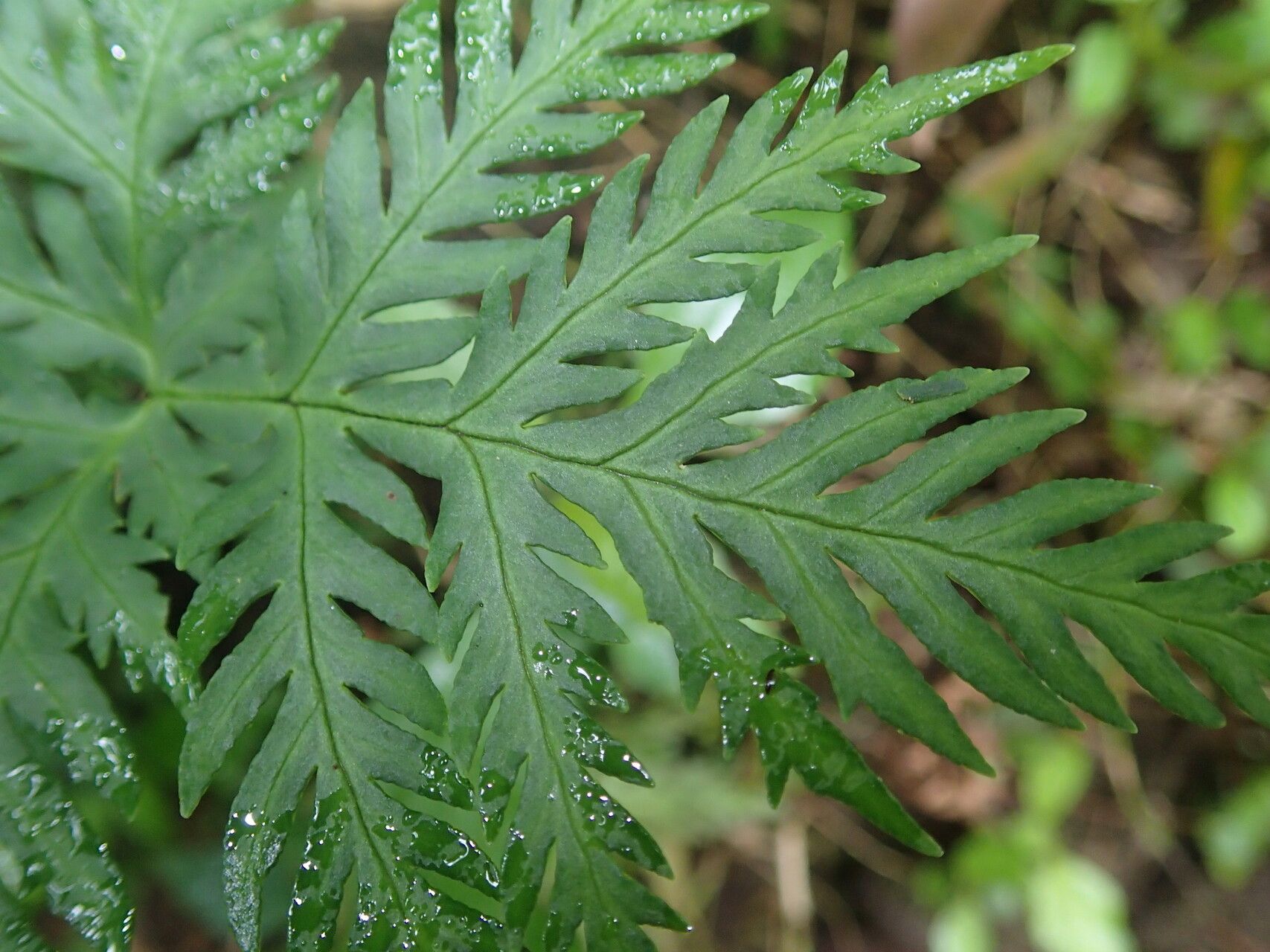
Unleash the Fern Frenzy: Propagating Your Hemionitis Cuspidata (aka the “Harefoot Fern”)
The Hemionitis cuspidata, affectionately known as the “Harefoot Fern,” is a captivating plant with its unique, deeply lobed fronds that resemble a rabbit’s foot. Its beauty is only surpassed by its ease of propagation, making it a perfect plant for both beginners and seasoned plant parents. If you’re looking to expand your fern collection or simply want to share the love, read on to discover the secrets to successfully propagating your Hemionitis cuspidata.
The Power of Spores
Unlike many other plants that rely on seeds or cuttings, Hemionitis cuspidata is propagated through spores, tiny dust-like particles located on the underside of its fronds. This might sound daunting, but trust us, it’s a surprisingly simple process.
Getting Started: The Spore Harvest
- Choose your frond: Select a mature, healthy frond that shows signs of spore release (you’ll notice brown dots on the underside).
- Spore collection: Gently scrape the underside of the frond with a butter knife or a spoon, collecting the spores into a small container. Be careful not to damage the frond itself.
- Thorough cleaning: Use a fine-mesh sieve to remove any debris or plant matter from your spore collection.
Creating the Perfect Growing Medium
Hemionitis cuspidata spores require a sterile, well-drained growing medium for optimal germination. Here’s how to create it:
- Mix it up: Combine equal parts peat moss, vermiculite, and perlite.
- Sterilize: Microwave the mix for 1-2 minutes to kill off any potential contaminants.
- Prepare your containers: Use small pots or propagation trays with drainage holes.
The Magic of Spore Sowing
- Moistening the mix: Lightly mist the sterilized grow mix until it’s evenly moist.
- Sowing the spores: Sprinkle the collected spores evenly across the surface of the mix.
- Covering the spores: Gently mist with a fine spray bottle and cover the container with a clear plastic wrap or a glass lid to create a humid environment.
- Light but not scorching: Position the containers in a bright location but avoid direct sunlight.
The Waiting Game (and Patience is Key!)
Hemionitis cuspidata spores can take several weeks to months to germinate. During this time, it’s crucial to maintain humidity and warmth.
- Misting maintenance: Mist the surface of the mix daily to keep it consistently moist.
- Temperature control: Aim for a temperature of around 75-80°F (24-27°C).
- Patience is paramount: Avoid lifting the cover or peeking too frequently, as this can disrupt the humidity levels.
The Debut of Tiny Fronds
Eventually, you’ll see tiny, green fronds emerge from the soil. This is a rewarding moment, signifying the success of your propagation journey.
From Seedling to Adulthood
Once the tiny fronds establish themselves and grow a bit larger, they can be carefully transplanted into individual pots with a well-draining potting mix. Continue to provide them with bright, indirect light, consistent watering, and moderate humidity.
With a little patience and attention, you can successfully propagate your Hemionitis cuspidata and enjoy even more of these charming, low-maintenance ferns. So, get ready to unleash the fern frenzy and multiply your green companions!