
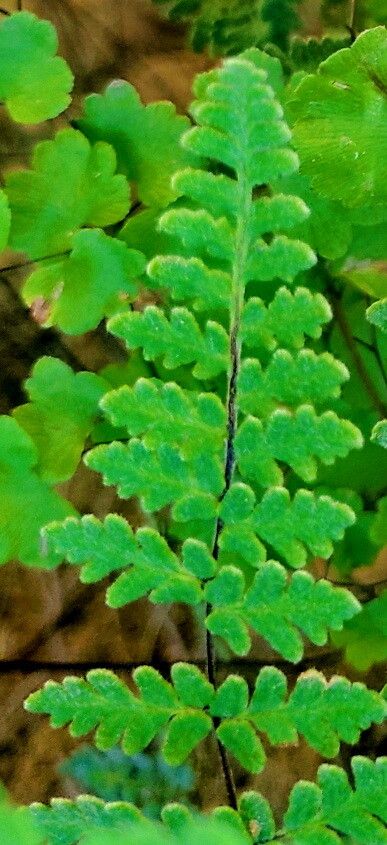
Unlocking the Secrets of Hemionitis Hypoleuca Propagation: A Guide to Multiplying Your Jewel Fern
The Hemionitis hypoleuca, also known as the Jewel Fern due to its shimmering silver leaves, is a fascinating and beautiful addition to any houseplant lover’s collection. Its unique foliage, resembling a dusting of silver over lush green, adds a touch of magic and elegance to indoor spaces. While caring for this tropical gem can be a rewarding experience, many enthusiasts wonder about the best ways to propagate it and expand their collection. This guide will unlock the secrets of Hemionitis hypoleuca propagation, offering practical tips for success.
Understanding the Basics
Before diving into the methods, it’s crucial to grasp the two primary ways to propagate Hemionitis hypoleuca:
Spore Propagation: This method, mimicking the fern’s natural reproductive cycle, involves collecting and germinating spores. It’s a more involved process requiring patience and specific conditions but can be immensely rewarding.
- Division: A simpler and quicker method suitable for mature plants, division involves separating the fern’s rhizome (underground stem) to create new plantlets.
Method 1: Spore Propagation – A Journey of Patience and Precision
Spore Collection: When your Jewel Fern matures, you’ll notice small, brown, dust-like structures on the undersides of the leaves. These are the spore cases (sori). Once they appear plump and start to release spores readily, carefully cut a frond and place it in a paper bag to dry for a couple of days. The spores will release inside the bag.
Sowing the Spores: Prepare a sterile, fine-textured seed starting mix and moisten it thoroughly. Sprinkle the collected spores thinly on the surface, avoiding overcrowding. Mist the surface gently with water and cover the container with a clear lid or plastic wrap to maintain high humidity.
Providing Optimal Conditions: Place the container in a warm, brightly lit location but away from direct sunlight. Maintain a consistently humid environment by misting regularly or placing the container on a humidity tray. Germination can take anywhere from a few weeks to a couple of months.
- Transplanting Sporelings: Once the sporelings have developed several true leaves, carefully transplant them into individual small pots filled with a well-draining potting mix.
Method 2: Division – A Quicker Route to Multiplication
Timing is Key: Spring is the ideal time to divide your Hemionitis hypoleuca as the plant enters its active growing phase.
Dividing the Rhizome: Gently remove the fern from its pot and carefully shake off excess soil to expose the rhizome. Using a clean, sharp knife or shears, divide the rhizome into sections, ensuring each section has a healthy set of leaves and roots.
- Potting the Divisions: Plant the divided sections in individual pots filled with a well-draining potting mix, burying the rhizome at the same depth as the original plant. Water thoroughly and place the pots in a warm, humid location, away from direct sunlight.
General Tips for Success
Patience is Key: Regardless of the method chosen, remember that propagation takes time. Be patient, provide optimal conditions and avoid overwatering.
Maintain High Humidity: The key to a thriving Hemionitis hypoleuca is humidity. Regular misting, using a humidifier, or placing the pots on humidity trays can create a suitable environment.
- Indirect Light is Best: While the Jewel Fern thrives in bright, indirect light, it’s crucial to avoid direct sunlight, which can scorch its delicate leaves.
By following these tips and choosing the propagation method that best suits your comfort level, you can successfully multiply your Hemionitis hypoleuca collection and enjoy the captivating beauty of this unique fern in multiple corners of your home.