
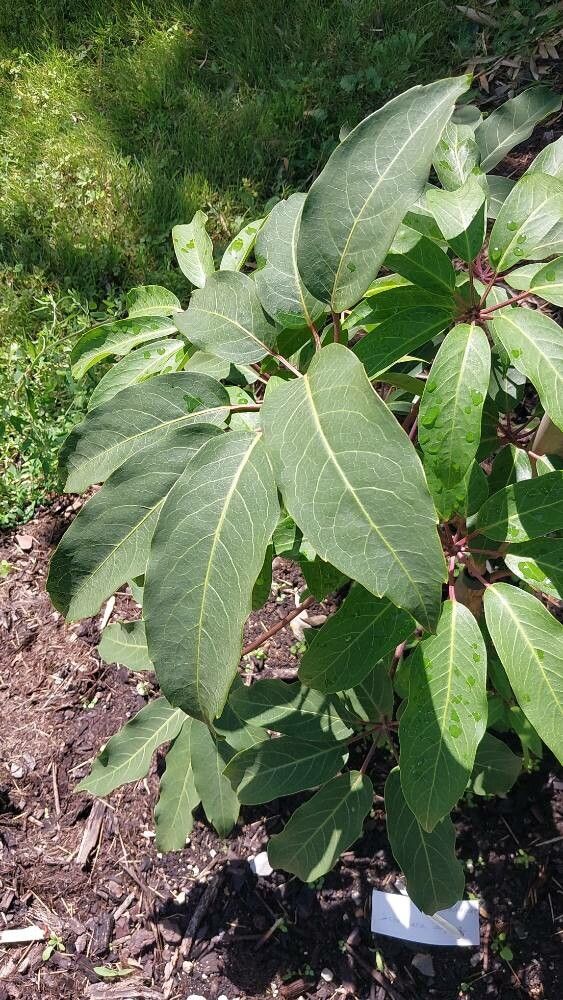
Reaching New Heights: Propagating Your Heptapleurum Alpinum
Heptapleurum alpinum, also known as the Dwarf Umbrella Tree or simply “Schefflera alpina,” is a popular houseplant known for its lush foliage and easy-going nature. If you’re like many plant parents, you’re likely smitten with its charm and want to multiply your leafy companions. Well, you’re in luck! Propagating Heptapleurum alpinum is surprisingly straightforward, even for beginners.
This guide walks you through the process of propagating your Heptapleurum alpinum using two effective methods: stem cuttings and air layering. We’ll explore each technique, explaining the steps involved and providing helpful tips to ensure successful propagation.
Method 1: Stem Cuttings
Stem cuttings are the most common and arguably the easiest method for propagating Heptapleurum alpinum. Here’s what you need to do:
Gather your supplies: You’ll need a sharp, sterilized knife or pruning shears, a small pot or propagation tray, well-draining potting mix, rooting hormone (optional but recommended), and a clear plastic bag or humidity dome.
Take your cuttings: Choose healthy stems with at least two or three nodes (the small bumps where leaves emerge). Cut a 4-6 inch section just below a node, making a clean cut. Remove the lower leaves, leaving one or two pairs near the top.
Prepare your cuttings (optional): Dip the cut end of each stem in rooting hormone to encourage faster root development.
Plant your cuttings: Fill your pot or tray with a well-draining potting mix. Make a small hole in the center and gently insert the bottom node of the cutting into the soil. Firm the soil around the cutting to secure it.
Create a humid environment: Water the soil thoroughly and cover the pot with a clear plastic bag or humidity dome. This will help to trap moisture and create a warm, humid environment conducive to root development.
Provide indirect light and warmth: Place your cuttings in a bright location out of direct sunlight. Keep the soil consistently moist but not waterlogged.
Wait for roots to develop: Depending on the conditions, roots typically develop within 4-6 weeks. You can gently tug on the cutting to see if it offers resistance, indicating root growth.
- Transplant your new plants: Once the roots are established, you can transplant your new Heptapleurum alpinum plants into individual pots with fresh, well-draining potting mix.
Method 2: Air Layering
Air layering is another effective method for propagating Heptapleurum alpinum, especially for larger, more established plants. This technique involves encouraging roots to develop on a stem while it’s still attached to the mother plant. Here’s how it’s done:
Choose a healthy stem: Select a mature, healthy stem that is at least 1/2 inch in diameter.
Make a wound: Carefully make a shallow, upward-angled cut about 1 inch long on the stem. You can also gently scrape away a small ring of bark around the stem.
Apply rooting hormone (optional): Dust the wounded area with rooting hormone to stimulate root growth.
Wrap with sphagnum moss: Soak some sphagnum moss in water and squeeze out the excess. Wrap the moss around the wounded area, ensuring it’s completely covered. Secure the moss in place with plastic wrap or aluminum foil.
Keep the moss moist: Regularly check the moss to ensure it remains moist. You can mist it with water or use a syringe to inject water into the moss.
Wait for roots to develop: Roots typically develop within 6-8 weeks. You’ll see them growing through the moss.
- Separate and plant: Once the roots are well-established, carefully cut the stem below the rooted section and plant it in a pot with fresh potting mix.
Tips for Success:
- Always use clean tools and materials to prevent the spread of disease.
- Provide bright, indirect light and maintain a warm temperature (around 70-75°F) for optimal root development.
- Be patient! Propagation takes time, so don’t be discouraged if you don’t see results immediately.
Propagating your Heptapleurum alpinum is a rewarding experience that allows you to expand your plant collection and share your love of greenery with others. With these simple techniques and a bit of patience, you’ll soon have new plant babies to cherish. Happy propagating!