
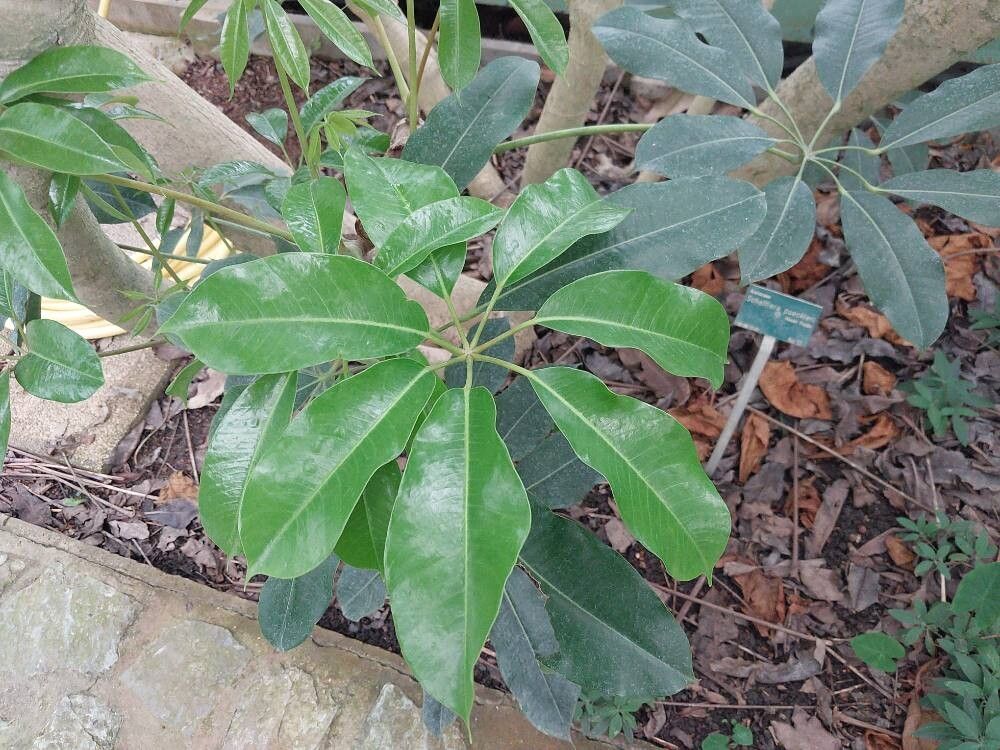
Unveiling the Mysteries of Heptapleurum Calyptratum Propagation: A Guide to Multiplying Your Green Friend
The Heptapleurum calyptratum, also known as the Umbrella Tree or Schefflera actinophylla, is a popular choice for plant enthusiasts thanks to its striking foliage and relatively low-maintenance nature. This tropical beauty, with its large, glossy leaves resembling the spokes of an umbrella, can truly elevate the ambiance of any space. But did you know that propagating your own Heptapleurum calyptratum is remarkably achievable?
That’s right! You don’t need a green thumb to multiply this gorgeous plant. Let’s delve into the fascinating world of Heptapleurum calyptratum propagation and explore the methods that will have you growing new plant babies in no time.
Understanding the Basics
Before we jump into techniques, it’s helpful to understand that propagation essentially encourages a cutting from your plant to develop its own roots, ultimately becoming an independent plant.
Method 1: Stem Cuttings – A Classic Approach
Stem cuttings are the most popular and successful method for propagating Heptapleurum calyptratum.
Here’s how it’s done:
- Gather your tools: You’ll need sharp pruning shears or a clean knife, a small pot, well-draining potting mix, and optionally, rooting hormone.
- Take the cutting: Select a healthy stem, ideally one that’s not flowering, and make a clean cut just below a node (the point where the leaf attaches to the stem). Your cutting should be around 4-6 inches long.
- Prepare the cutting: Remove the bottom leaves, leaving a few at the top. Dip the cut end in rooting hormone (this step is optional, but can speed up the process).
- Plant the cutting: Plant the cutting in the prepared pot with the potting mix, burying the nodes.
- Provide optimal conditions: Water the cutting well and place it in a warm, bright location out of direct sunlight.
- Be patient: Rooting can take several weeks. You’ll know it’s working when you see new growth.
Method 2: Air Layering – For a More Established Plant
Air layering is an excellent option if you want to propagate a larger, more mature section of your plant.
Here’s how it works:
- Choose a stem: Select a healthy stem with a diameter of at least 1/2 inch.
- Create a wound: Make a 1-inch upward cut about a third of the way through the stem.
- Apply rooting hormone: Dust the wounded area with rooting hormone.
- Wrap with sphagnum moss: Wrap the wound with moist sphagnum moss and secure it with plastic wrap.
- Maintain moisture: Keep the moss consistently moist.
- Root development: Roots should appear in a few weeks.
- Separate and pot: Once roots are established, cut the stem below the root ball and pot it.
Tips for Success:
- Always use clean tools and containers to prevent infections.
- Provide bright, indirect light for your newly propagated plants.
- Maintain a warm and humid environment, especially during the rooting phase.
- Water when the top inch of the soil feels dry.
Propagating your Heptapleurum calyptratum is a rewarding experience for plant lovers of all levels. With a little patience and care, you can easily multiply your green companions and enjoy their vibrant beauty in every corner of your home. So why not give it a try? You might just discover a new passion for plant propagation!