
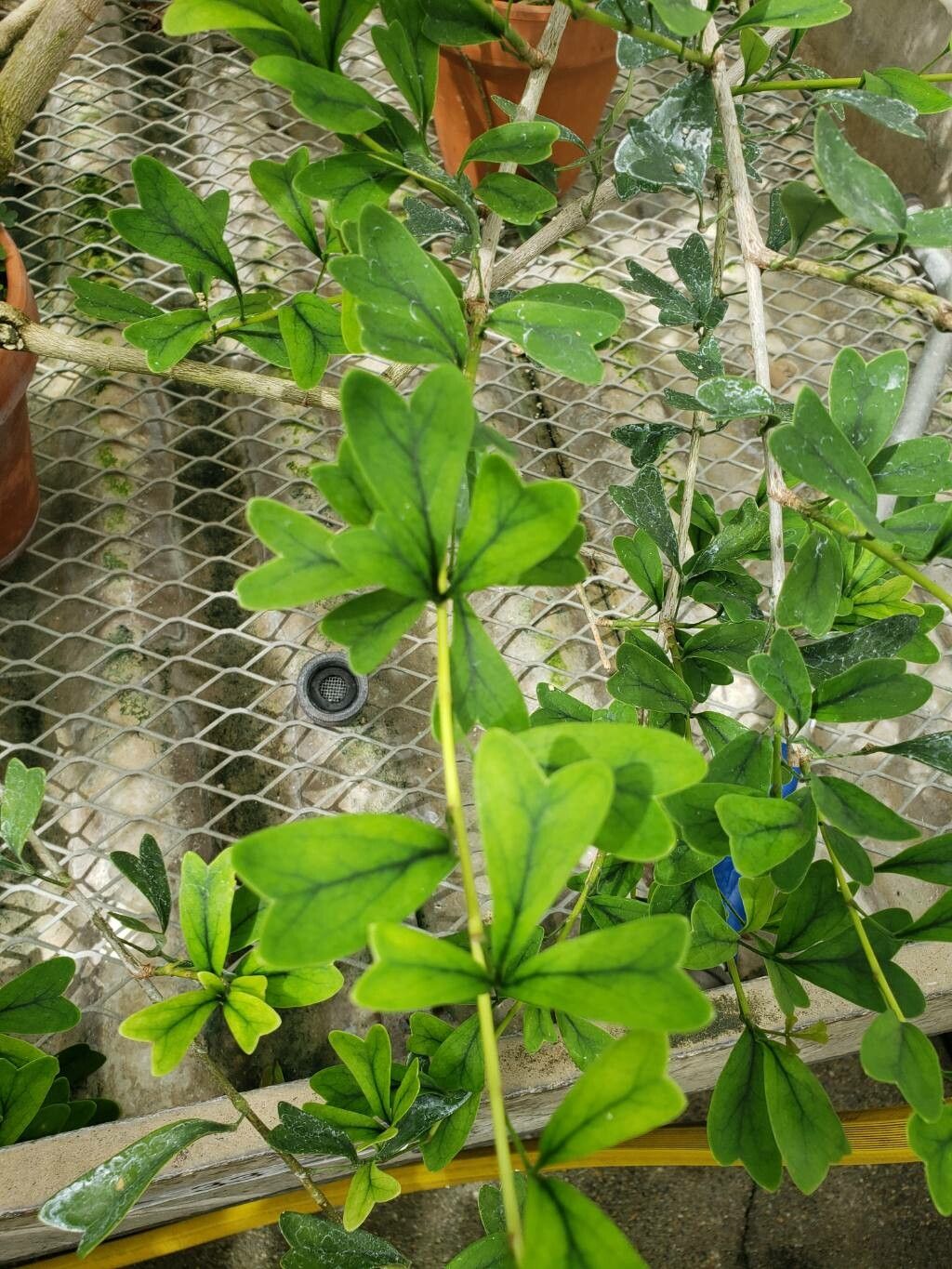
Multiply Your Green Magic: A Guide to Propagating Heptapleurum Emarginatum
The Heptapleurum emarginatum, also known as the Dwarf Umbrella Tree, is captivating plant parents with its lush, glossy foliage and graceful, layered branches. While relatively low-maintenance, knowing how to propagate this beauty allows you to share your green magic with friends or simply expand your own indoor jungle.
Luckily, propagating this plant is a relatively straightforward process with a high success rate. This guide will walk you through the steps, providing you with the knowledge to grow new Heptapleurum emarginatum from your existing plant.
Two Paths to Propagation: Stem Cuttings vs. Seeds
1. Stem Cuttings: The Tried and True Method
Stem cuttings are the most popular and efficient way to propagate your Heptapleurum emarginatum. Here’s how:
- Timing is Key: Spring and early summer offer the ideal conditions for propagation, coinciding with the plant’s active growth period.
- Selecting the Right Cuttings: Choose healthy stems that are around 4-6 inches long and have at least 2-3 nodes (small bumps where leaves emerge).
- Making the Cut: Using a sharp, sterilized knife or pruning shears, make a clean cut just below a node. Remove any leaves from the bottom third of the cutting to prevent them from rotting in water or soil.
- Rooting Hormone (Optional): While not strictly necessary, dipping the cut end in rooting hormone powder can encourage faster root development.
- Choosing Your Medium: Heptapleurum emarginatum cuttings can be rooted in either water or soil:
- Water Propagation: Place the cuttings in a glass or jar filled with fresh water, ensuring the nodes are submerged. Change the water every 2-3 days to prevent bacterial growth. Roots should appear within a few weeks.
- Soil Propagation: Use a well-draining potting mix, and gently insert the cuttings into the soil, burying the bottom node. Keep the soil consistently moist but not waterlogged.
- Patience, Young Padawan: Place your cuttings in a warm, brightly lit location, but avoid direct sunlight. It may take 4-8 weeks for roots to fully develop.
2. Seed Propagation: A Test of Patience
While possible, propagating Heptapleurum emarginatum from seeds can be more challenging and time-consuming:
- Seed Sourcing: Finding seeds might be tricky as they are not readily available commercially. You can try harvesting seeds from a mature plant, but ensure they are fully dried before sowing.
- Sowing the Seeds: Use a seed starting mix, sprinkle the seeds on the surface, and lightly cover them with soil. Mist the soil to keep it moist.
- Creating a Greenhouse Effect: Cover the tray or pot with a clear plastic wrap or humidity dome to trap warmth and moisture.
- Light and Warmth: Place the seed tray in a bright area, avoiding direct sunlight. Maintaining a temperature around 70-75°F (21-24°C) will encourage germination.
- Germination Time: Seeds can take several weeks or even months to germinate. Be patient and maintain consistent moisture and warmth.
Transplanting and Beyond
Once your cuttings have developed a healthy root system (at least an inch long) or your seedlings have grown a few inches tall, it’s time to transplant them into individual pots filled with well-draining potting mix.
With proper care and attention, your propagated Heptapleurum emarginatum will thrive and multiply your green joy for years to come!