
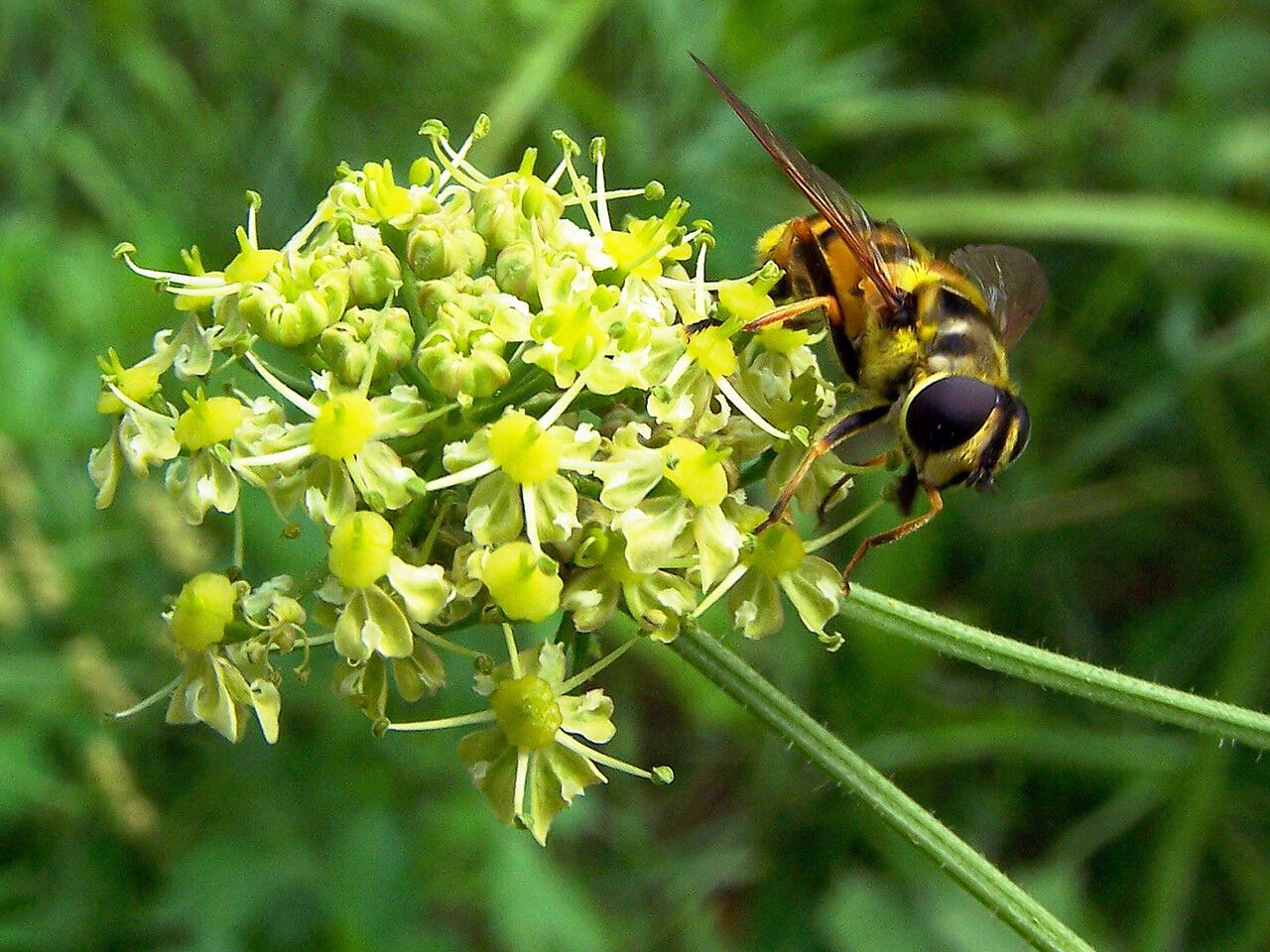
Propagating Heracleum sibiricum: Siberian Hogweed – A Gardener’s Challenge
Introduction:
Heracleum sibiricum, commonly known as Siberian hogweed, is a striking herbaceous perennial belonging to the Apiaceae family. Characterized by its large, intricately divided leaves and umbels of small white flowers, it adds a touch of wild elegance to gardens. While not as widely cultivated as some other members of its family, its unique appearance and tolerance of various conditions are drawing increasing interest among gardeners. However, propagating Siberian hogweed presents specific challenges, making successful cultivation a rewarding, albeit sometimes difficult, endeavor. This article explores the various propagation methods, weighing their feasibility and success rate.
Seed Germination:
Seed germination is a viable method for propagating Heracleum sibiricum, but it requires patience and attention to detail. The primary challenge lies in the seed’s dormancy requirements. Many seeds of this species benefit from stratification – a period of cold, moist treatment mimicking winter conditions.
Challenges: Achieving consistent germination rates can be difficult. Seed viability can vary, and improper stratification can hinder germination.
Practical Tips: Before sowing, stratify seeds for 6-8 weeks at temperatures between 33-40°F (0-4°C) in a moist medium like vermiculite or peat moss. Sow seeds in a well-draining seed starting mix, just barely covering them with soil. Maintain consistent moisture levels but avoid waterlogging. Germination typically occurs within 2-4 weeks after sowing, but some seeds may take longer.
Rewards: Successful seed germination offers significant advantages. It allows for genetic diversity within a population, enabling greater adaptability and resilience. Additionally, it’s a cost-effective method, potentially producing a large number of seedlings for garden expansion or sharing.
Cuttings:
Currently, there are no known reliable methods for propagation of Heracleum sibiricum via cuttings. The success rate is extremely low, likely due to the plant’s physiology and difficulty in rooting stem or leaf cuttings.
Division:
Division is a relatively straightforward and reliable method for propagating established Heracleum sibiricum plants.
Challenges: This method is limited by the availability of mature plants large enough to divide. Care must be taken to avoid damaging the roots during division.
Practical Tips: Division is best carried out in early spring or autumn when the plant is dormant. Dig up the mature plant, gently separate it into several crowns ensuring each division has healthy roots and shoots, and replant immediately.
Tissue Culture:
Tissue culture propagation of Heracleum sibiricum has not been widely explored or established as a reliable method. While theoretically possible, the technical expertise and specialized equipment required make this method unsuitable for most home gardeners. Further research is necessary to determine its viability.
Conclusion:
Propagating Heracleum sibiricum presents unique challenges, with seed germination offering the most promising—albeit still unpredictable—path to success. Division proves reliable for those already possessing mature plants. Cuttings and tissue culture remain unproven methods at this time.
The reward for successfully propagating Siberian hogweed is not merely in obtaining more plants; it’s in overcoming the challenges involved. The satisfaction of nurturing these seeds through stratification to germination, carefully dividing a mature plant, or overcoming other obstacles, significantly enhances the appreciation for this elegant and striking plant. Aspiring propagators should start with seed germination using proper stratification, maintaining realistic expectations regarding germination rates, and celebrating each successfully established seedling as a testament to perseverance and horticultural prowess. For those without established plants, sourcing seeds from reputable suppliers remains crucial to optimizing the chances for germination success.