
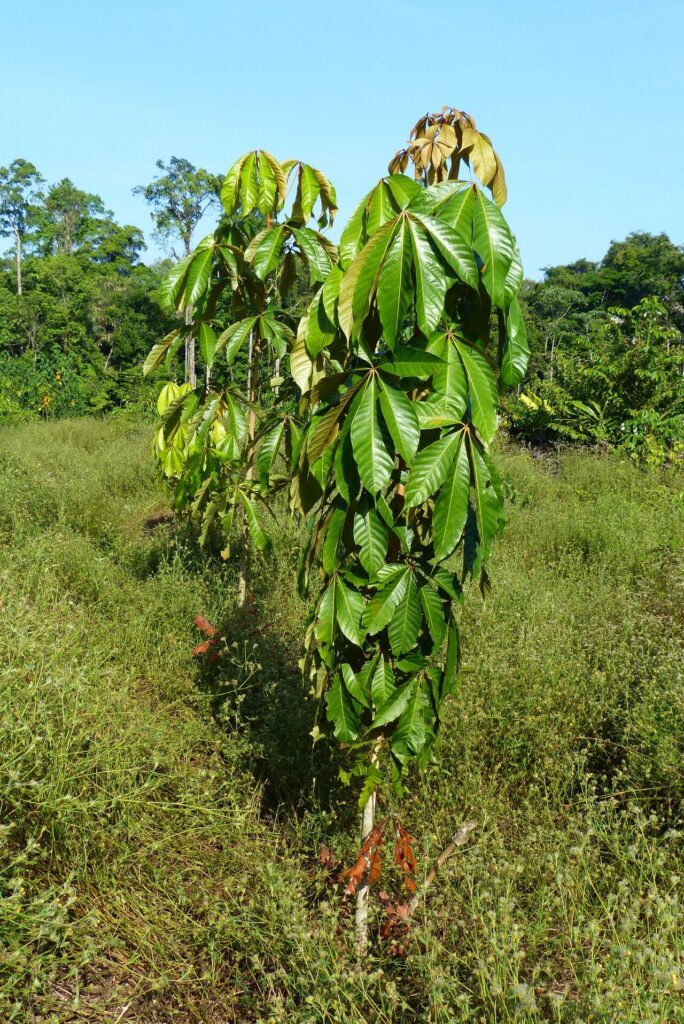
Unlocking the Secrets of the Niangon Tree: A Guide to Propagating Heritiera utilis
The Niangon tree (Heritiera utilis), a majestic giant of the African rainforests, is renowned for its impressive stature and incredibly durable timber. But did you know that this valuable species can be propagated and even cultivated sustainably? Whether you’re a seasoned conservationist or a budding tree enthusiast, this guide will delve into the fascinating world of Heritiera utilis propagation.
Understanding the Niangon’s Lifecycle
Before embarking on your propagation journey, it’s crucial to understand the Niangon’s natural reproductive process. In the wild, these trees rely on wind dispersal for their seeds, which are encased in distinctive, buoyant pods. These pods, often likened to miniature canoes, travel great distances along waterways, ensuring the species’ spread.
Methods of Propagation
-
Seed Propagation: The most common method for propagating Heritiera utilis is through seeds. Here’s a step-by-step guide:
- Seed Collection: Source mature, healthy seeds from reputable suppliers or directly from mature trees. Look for pods that have fallen naturally and have a dry, brown appearance.
- Seed Preparation: Gently remove the seeds from the pods. No need for scarification (scratching the seed coat) as Niangon seeds germinate readily.
- Sowing: Plant the seeds in a well-draining seed-starting mix, burying them at a depth of 1-2 cm.
- Watering: Keep the soil consistently moist but not waterlogged.
- Germination: With proper care, germination should occur within a few weeks.
-
Vegetative Propagation: While not as common as seed propagation, Heritiera utilis can also be multiplied through vegetative methods, offering an advantage when preserving specific genetic traits:
- Cuttings: Take semi-hardwood cuttings from healthy branches during the growing season. Employ rooting hormone and provide optimal humidity and warmth for successful root development.
- Air Layering: This technique involves stimulating root formation on a branch while it’s still attached to the parent tree. It’s a more involved method but can be highly effective.
Cultivation Tips for Success
- Light: Niangon seedlings thrive in partial shade during their initial stages and gradually adapt to full sun as they mature.
- Soil: Well-drained, fertile soil is crucial for healthy growth.
- Watering: Consistent moisture is key, especially during the early stages of establishment. However, avoid overwatering, which can lead to root rot.
- Pest and Disease Control: Heritiera utilis is relatively resistant to pests and diseases. Nonetheless, regular monitoring and prompt action are essential to maintain plant health.
The Importance of Sustainable Practices
Heritiera utilis faces threats due to habitat loss and overexploitation for its valuable timber. Propagating and cultivating this species responsibly is crucial for its conservation. When sourcing seeds or seedlings, ensure they come from sustainable sources that prioritize ethical harvesting practices.
Conclusion
Propagating Heritiera utilis is a rewarding endeavor that contributes to the preservation of this magnificent tree species. By understanding its unique lifecycle and employing the appropriate techniques, you can play a part in ensuring the Niangon continues to grace our planet for generations to come.