
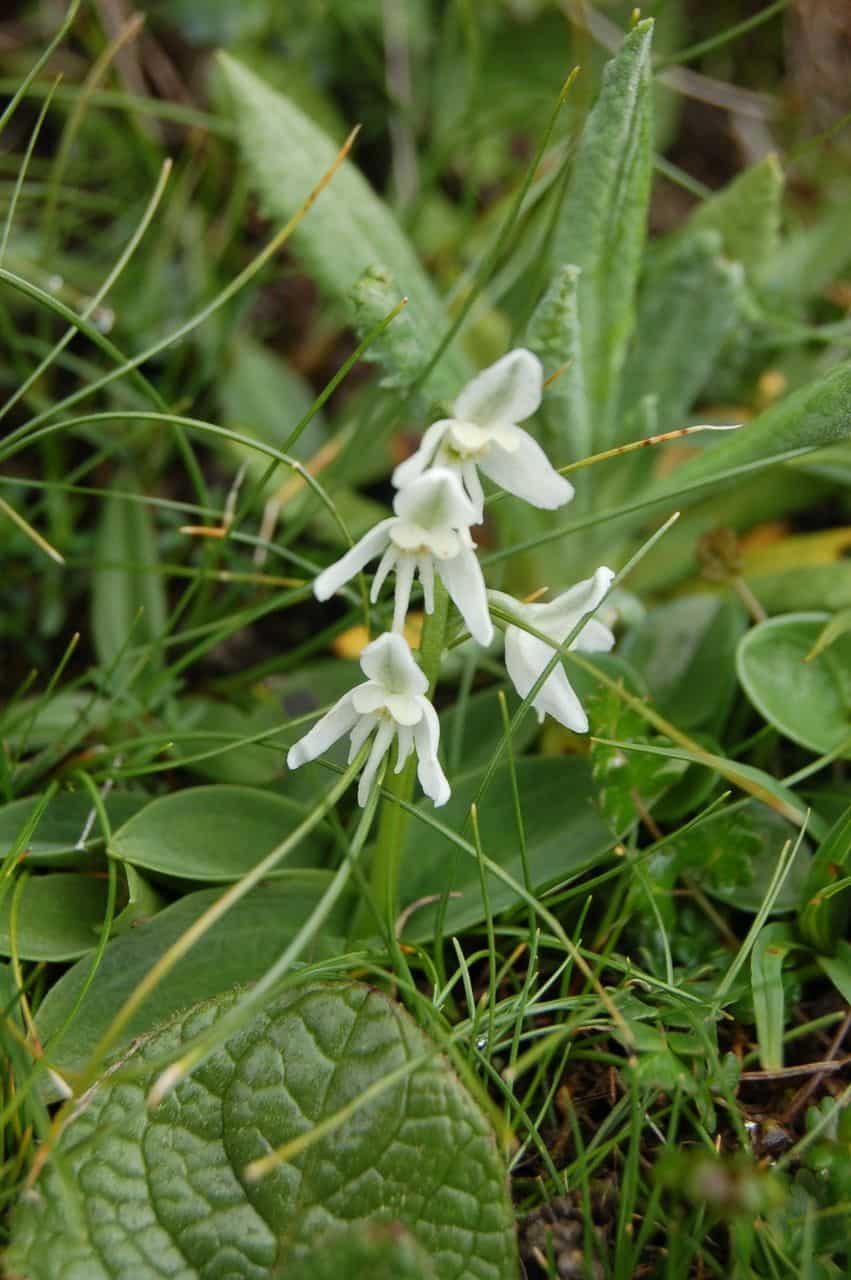
Unveiling the Himalayan Jewel: Propagating the Elusive Herminium Himalayanum
Nestled amongst the towering peaks and verdant valleys of the Himalayas lies a hidden botanical treasure – Herminium himalayanum. This delicate orchid, with its captivating green-yellow flowers and intriguing biology, holds a unique allure for orchid enthusiasts and botanists alike. However, cultivating this Himalayan jewel is not for the faint of heart. Its specific habitat requirements and reliance on symbiotic fungi present a propagation challenge that only dedicated plant lovers dare to embrace.
Understanding the Himalayan Orchid’s Lifestyle:
Before delving into propagation, it’s crucial to understand what makes Herminium himalayanum so unique. This terrestrial orchid thrives in the moist, humus-rich soils of alpine meadows and forests at high altitudes. Its survival depends on a delicate dance with mycorrhizal fungi present in the soil. These fungi form a symbiotic relationship with the orchid’s roots, providing essential nutrients and aiding in water absorption.
Propagating from Seed: A Test of Patience and Precision:
Propagating Herminium himalayanum from seed is a delicate art, requiring sterile conditions and a deep understanding of its symbiotic needs. Here’s a glimpse into the process:
Seed Collection and Storage: Seeds should be collected from mature capsules in the wild (ensuring sustainable practices) or obtained from reputable sources. Store seeds in cool, dry conditions until ready to sow.
Creating the Ideal Growing Medium: The key lies in replicating the orchid’s natural environment. A well-draining, slightly acidic medium rich in organic matter is crucial. This can be achieved by mixing fine orchid bark, sphagnum moss, perlite, and a small amount of composted pine bark.
Sowing the Seeds: Due to their minute size, orchid seeds are best sown using the "asymbiotic germination" method. This involves using a sterile, nutrient-rich agar gel as a growing medium.
Patience is Key: Orchid seed germination can take several weeks to months. Maintaining a consistently humid environment and providing adequate indirect light is crucial during this stage.
- Transplanting Seedlings: Once seedlings develop a strong root system and a few true leaves, they can be carefully transplanted into individual pots containing the specialized growing medium mentioned earlier.
The Role of Mycorrhizal Fungi:
The success of cultivating Herminium himalayanum hinges on the presence of beneficial mycorrhizal fungi. These fungi, often absent in standard potting mixes, can be introduced by:
- Incorporating small amounts of soil from the orchid’s natural habitat (if ethically sourced and permitted).
- Using commercial mycorrhizal inoculants specifically designed for orchids.
The Rewards of Dedication:
Propagating Herminium himalayanum is undoubtedly a labor of love, demanding patience and meticulous care. However, witnessing the emergence of a new generation of these exquisite orchids, a testament to your dedication and understanding of their unique needs, is a truly rewarding experience.
A Note of Caution:
It’s important to remember that collecting Herminium himalayanum from the wild is unethical and potentially illegal. Always obtain plants and seeds from reputable sources that prioritize ethical and sustainable practices.
By embracing the challenges and intricacies of propagating this rare Himalayan treasure, we contribute to its conservation and ensure that future generations can marvel at its delicate beauty.