
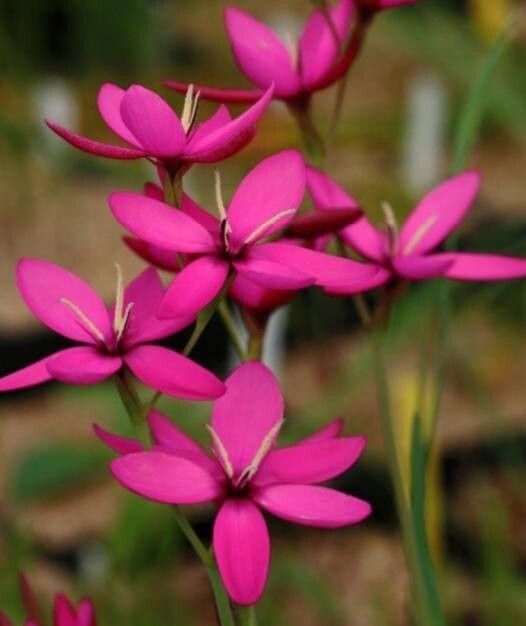
Propagating Hesperantha pauciflora: A Gardener’s Guide to the Few-flowered Spider Lily
Introduction:
Hesperantha pauciflora, commonly known as the few-flowered spider lily, is a captivating member of the Iridaceae family, prized for its delicate, spider-like flowers that typically bloom in late summer or autumn. These charming blooms, often in shades of white, pink, or lilac, add a touch of ethereal beauty to any garden. While not as widely cultivated as some other Hesperantha species, its unique charm and relative rarity make it a desirable plant for dedicated gardeners. Successfully propagating Hesperantha pauciflora presents some challenges, but the rewards are well worth the effort for those willing to put in the time and attention.
Seed Germination:
Currently, there are no known reliable methods for seed germination propagation of Hesperantha pauciflora. While the plant does produce seeds, the germination rate is reportedly extremely low, making this method impractical for most gardeners. Further research into optimal germination conditions is needed.
Cuttings:
Cuttings are also not a reliable method for propagating Hesperantha pauciflora. The plant does not readily root from stem or leaf cuttings, and attempts at propagation using this method have generally been unsuccessful.
Division:
Division is the most reliable and commonly used method for propagating Hesperantha pauciflora. This involves carefully separating the corms (underground storage organs) during the dormant period (usually late spring or early summer, after flowering).
Challenges: The corms are relatively small and can be easily damaged during separation. Care must be taken to ensure each division has a healthy growth point and sufficient roots. Improper handling can lead to rot and failure to establish.
Practical Tips: Dig up the established clump carefully. Use a sharp, clean knife or secateurs to divide the corms, aiming for divisions with at least one or two healthy shoots. Allow the divided corms to dry slightly before replanting. Plant them at the same depth as the original clump, ensuring good drainage.
Rewards: Division offers a relatively quick and successful way to increase your stock of Hesperantha pauciflora. It maintains the genetic characteristics of the parent plant, ensuring the desirable traits are preserved.
Tissue Culture:
Tissue culture offers a potential, though more technically demanding, method for propagating Hesperantha pauciflora.
Challenges: Tissue culture requires specialized equipment, sterile conditions, and a detailed understanding of plant tissue culture techniques. Establishing protocols specifically for Hesperantha pauciflora might require significant experimentation and expertise.
Practical Tips: This method is best left to experienced tissue culture laboratories or dedicated hobbyists with the necessary resources and expertise. Protocols would need to be developed, focusing on suitable media, hormones, and sterilization techniques.
Rewards: Tissue culture offers the potential for large-scale propagation, the production of disease-free plants, and rapid multiplication of rare or desirable cultivars.
Conclusion:
Propagating Hesperantha pauciflora presents a unique set of challenges, with division proving to be the most accessible and reliable method for the home gardener. While seed germination and cuttings have proven unsuccessful, the potential of tissue culture remains an area that could be explored with further research. The rewards of successfully cultivating this beautiful plant, however, far outweigh the difficulties. The delicate blooms and unique charm of the few-flowered spider lily make the effort worthwhile. For aspiring propagators, patience, attention to detail, and a respect for the plant’s unique requirements are key to success. Remember to provide well-draining soil and adequate sunlight to assist your corms in thriving and rewarding you with their breathtaking displays.