
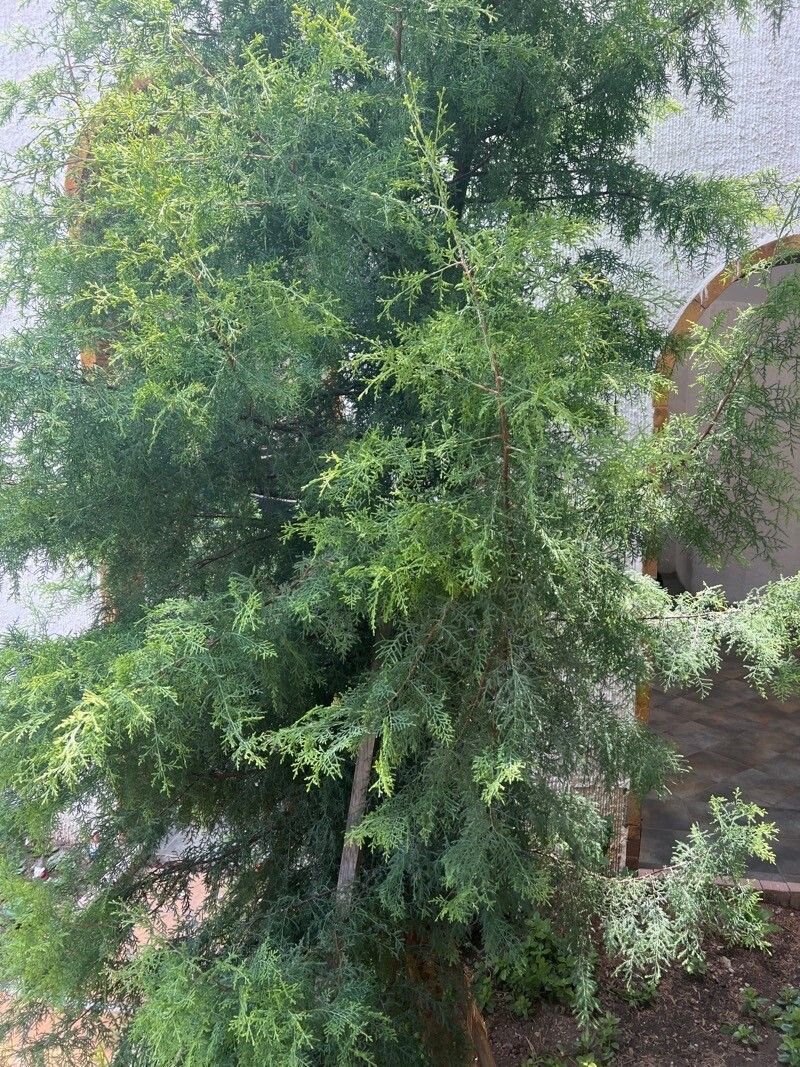
Propagating Hesperocyparis forbesii: A Guide to Cultivating the Tecate Cypress
Hesperocyparis forbesii, commonly known as the Tecate cypress, is a striking evergreen conifer native to Baja California and southern California. Its appealing pyramidal form, aromatic foliage, and adaptability to various soil conditions make it a popular choice among gardeners seeking a drought-tolerant and visually captivating landscaping addition. Its relatively slow growth, however, can make acquiring mature specimens expensive, highlighting the value of successful propagation. Unique to its propagation is its sensitivity to certain environmental factors, requiring careful consideration of each method.
Seed Germination:
Currently, there are no known reliable methods for seed germination propagation of Hesperocyparis forbesii. While seeds may be produced, their germination rate is extremely low, and success has not been consistently replicated. Further research into specific stratification techniques and germination requirements is necessary.
Cuttings:
Cuttings represent the most viable method for propagating Hesperocyparis forbesii.
Challenges: Rooting can be slow and inconsistent, with success rates often dependent on precise timing and environmental control. Hardwood cuttings taken in late autumn or early winter are generally preferred.
Practical Tips: Use semi-hardwood cuttings, approximately 3-4 inches long, taken from non-flowering shoots. Remove lower foliage, dip the cut ends in a rooting hormone, and plant them in a well-draining propagation mix (e.g., perlite and peat moss) under mist. Maintaining high humidity (e.g., using a humid dome or regular misting) and a warm temperature (approximately 70-75°F) is crucial. Consistent bottom heat can also significantly improve rooting success.
Rewards: Cuttings offer a relatively quick method of propagation compared to other techniques, allowing for the replication of desirable genetic traits from a parent plant.
Division:
Division is not a practical method for propagating Hesperocyparis forbesii. The plant’s fibrous root system and single-stemmed growth habit preclude successful division.
Tissue Culture:
Tissue culture presents a potential, albeit technically demanding, pathway to propagate Hesperocyparis forbesii.
Challenges: Establishing sterile conditions and selecting suitable growth media are critical for success. Finding the optimal hormone concentrations for shoot multiplication and rooting is a complex process requiring considerable expertise and potentially expensive equipment.
Practical Tips: Specialized knowledge and laboratory equipment are essential for tissue culture. It’s not a viable option for home gardeners but is explored in research settings for the conservation of rare and threatened plant varieties.
Rewards: Tissue culture allows for the rapid production of numerous genetically identical plants, preserving valuable genetic material. This is particularly relevant for conservation efforts concerning endangered Hesperocyparis forbesii populations.
Conclusion:
Propagating Hesperocyparis forbesii presents challenges across all methods. Seed germination remains unreliable, division is infeasible, and tissue culture is highly specialized. Cuttings offer the most accessible and practical approach, yet they require patience, attention to detail, and a willingness to experiment. While the success rate may be modest initially, the pride and satisfaction derived from successfully propagating this remarkable conifer are significant rewards. The challenge inherent in working with a plant that isn’t readily propagated adds another layer of satisfaction to the process. Persevere, experiment with different techniques and timing, and the beauty of a self-propagated Hesperocyparis forbesii will undoubtedly be worth the effort.