
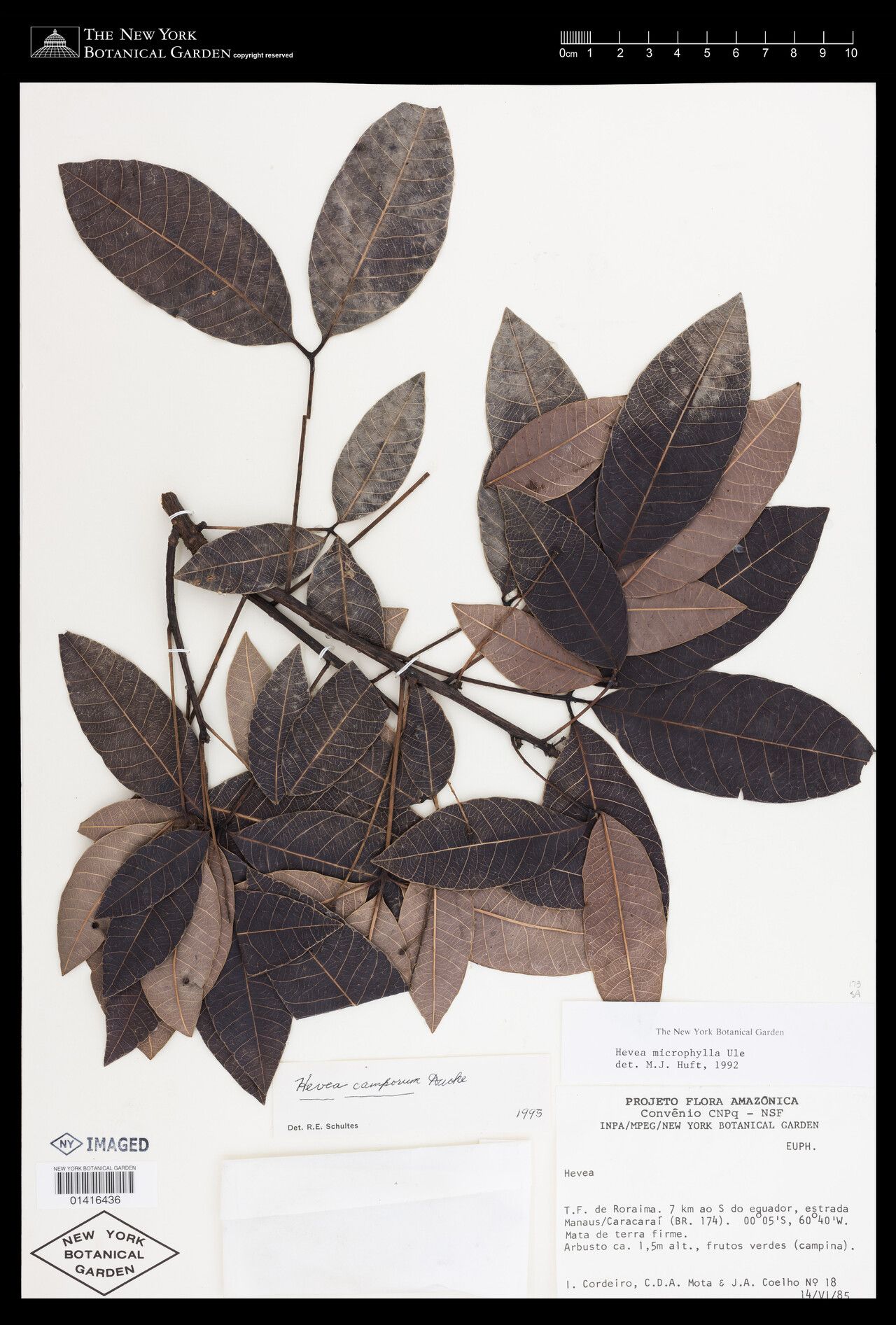
Tapping into Success: How to Propagate the Wild Rubber Tree (Hevea camporum)
The Hevea camporum, also known as the wild rubber tree, is a fascinating species native to South America. As its name suggests, it belongs to the same family as the commercially cultivated rubber tree (Hevea brasiliensis) and produces a natural latex. While not commercially tapped for rubber production, Hevea camporum is a beautiful and unique tree that can add a touch of the exotic to your garden or collection.
If you’re interested in growing your own Hevea camporum, propagation is the way to go! This tree can be a bit tricky to propagate, but with the right knowledge and a bit of patience, you can increase your chances of success.
Seeds: The Fresh Challenge
Hevea camporum can be grown from seed, but there’s a catch – freshness is key! The seeds have a short period of viability, meaning they can lose their ability to germinate quickly.
Here’s what you need to know about propagating Hevea camporum from seed:
- Source: Obtain seeds from a reputable supplier that can guarantee freshness. If you are lucky enough to live in a region where these trees grow, collect seeds directly from the tree, ensuring they haven’t been on the ground for long.
- Preparation: Soak the seeds in lukewarm water for 24 hours before sowing. This helps soften the hard seed coat and encourage germination.
- Sowing: Plant the seeds about an inch deep in a well-draining potting mix. A mix of peat moss, perlite, and vermiculite works well.
- Environment: Keep the soil consistently moist but not waterlogged. Provide warmth, aiming for temperatures between 75-85°F (24-29°C). A seedling heat mat can be beneficial.
- Germination: Be patient! Germination can be erratic and take anywhere from a few weeks to several months.
Cuttings: A Trickier Path
While possible, propagating Hevea camporum from cuttings is generally considered more challenging than seed propagation:
- Timing: Take cuttings during the active growing season, ideally in late spring or early summer.
- Selection: Select healthy, semi-hardwood stems that are about 6-8 inches long and show signs of new growth.
- Preparation: Remove leaves from the lower half of the cutting. Wound the base of the cutting slightly to expose the cambium layer, which can promote root formation.
- Hormone Treatment: Dip the wounded end of the cutting in rooting hormone powder to encourage root development.
- Planting: Plant the prepared cuttings in a well-draining rooting medium like a mix of peat moss and perlite.
- Environment: Maintain high humidity around the cuttings by covering the pot with a clear plastic bag or using a propagation dome. Ensure bright, indirect light and maintain warm temperatures.
Patience is Key
Whether you choose to propagate Hevea camporum from seed or cuttings, remember that this species requires patience. Don’t be discouraged if you don’t see immediate results. Keep the growing medium consistently moist, provide the right environmental conditions, and with a bit of luck, you’ll be rewarded with new Hevea camporum seedlings or cuttings to add to your collection.
Beyond Propagation:
Once your Hevea camporum plants are established, they are relatively low-maintenance. They prefer well-draining soil, regular watering, and partial sun to full shade. While they can tolerate some drought conditions, consistent moisture will help them thrive.
Propagating and growing Hevea camporum can be a rewarding experience for plant enthusiasts. By following these tips and embracing the challenge, you can cultivate this unique and beautiful tree in your own backyard.