
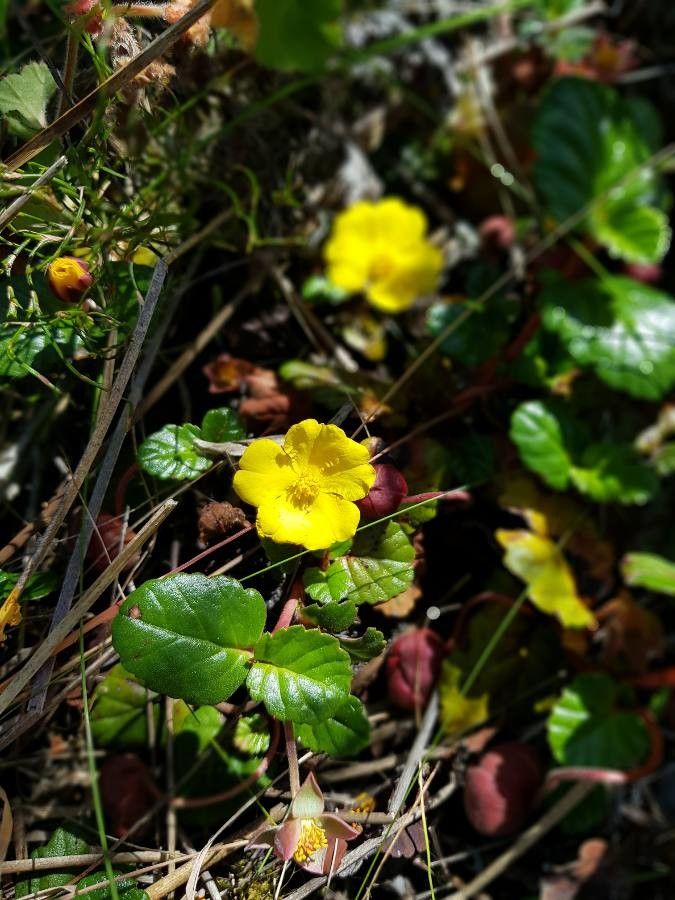
Unlocking the Secrets to Multiplying Your Guinea Flower: A Guide to Propagating Hibbertia grossulariifolia
Hibbertia grossulariifolia, more affectionately known as the Guinea Flower, is a delightful addition to any garden with its vibrant yellow blooms and delicate, trailing foliage. But did you know that expanding your collection of these beauties doesn’t require a trip to the nursery? Propagating your own Hibbertia is surprisingly achievable at home, offering a rewarding experience for both seasoned gardeners and green thumbs in the making. Let’s explore the two most effective methods:
1. Cuttings: Cloning Your Favorite Blooms
Taking cuttings is like replicating your favorite plant, preserving its unique characteristics. Here’s how:
- Timing is Key: The ideal time for taking cuttings is during the active growing season, ideally in spring or early autumn when the plant is bursting with life.
- Selecting the Right Cuttings: Choose healthy, non-flowering stems approximately 3-4 inches long. You’ll want to look for sections with new growth, as these tend to root more successfully.
- Preparing the Cuttings: Use a sharp, sterilized knife or pruning shears to make a clean cut just below a leaf node (the point where leaves emerge). Remove the lower leaves, leaving only a few at the top.
- Encouraging Root Development: Dipping the cut end in rooting hormone powder can significantly boost your chances of success. It encourages faster and stronger root development.
- Creating the Ideal Environment: Plant your cuttings in a well-draining potting mix, specifically formulated for cuttings or seedlings.
- Patience is a Virtue: Place the pot in a bright location but away from direct sunlight. Keep the soil consistently moist but not waterlogged. It may take several weeks or even months for roots to establish.
2. Seeds: Cultivating New Beginnings
Propagating from seed offers an element of surprise and a deeper connection to the plant’s life cycle:
- Harvesting Seeds: Wait for the flowers to fade and form small seed pods. Once the pods turn brown and dry, carefully collect them and extract the tiny black seeds within.
- Sowing the Seeds: Sow the seeds in a seed-raising mix, lightly pressing them into the surface. Mist the soil gently to avoid dislodging the seeds.
- Providing the Right Conditions: Place the seed tray in a warm, brightly lit area, maintaining consistent moisture. A humidity dome or covering the tray with plastic wrap can help create a mini-greenhouse effect.
- Nurturing the Seedlings: Once the seedlings emerge, typically within a few weeks, gradually acclimate them to lower humidity levels. Thin out weaker seedlings, giving the stronger ones ample space to thrive.
Tips for Success:
- Hygiene Matters: Always sterilize your cutting tools and use fresh, clean potting mix to prevent fungal diseases.
- Patience is Key: Remember that propagation takes time. Don’t be discouraged if your first attempts don’t yield immediate results.
- Enjoy the Journey: Embrace the process and learn from any setbacks. Experimenting and observing your plants is all part of the rewarding experience of propagation.
By following these steps, you’ll be well on your way to expanding your collection of these cheerful blooms. With a bit of patience and care, you can enjoy the satisfaction of propagating your own Hibbertia grossulariifolia and sharing its beauty with friends and family.