
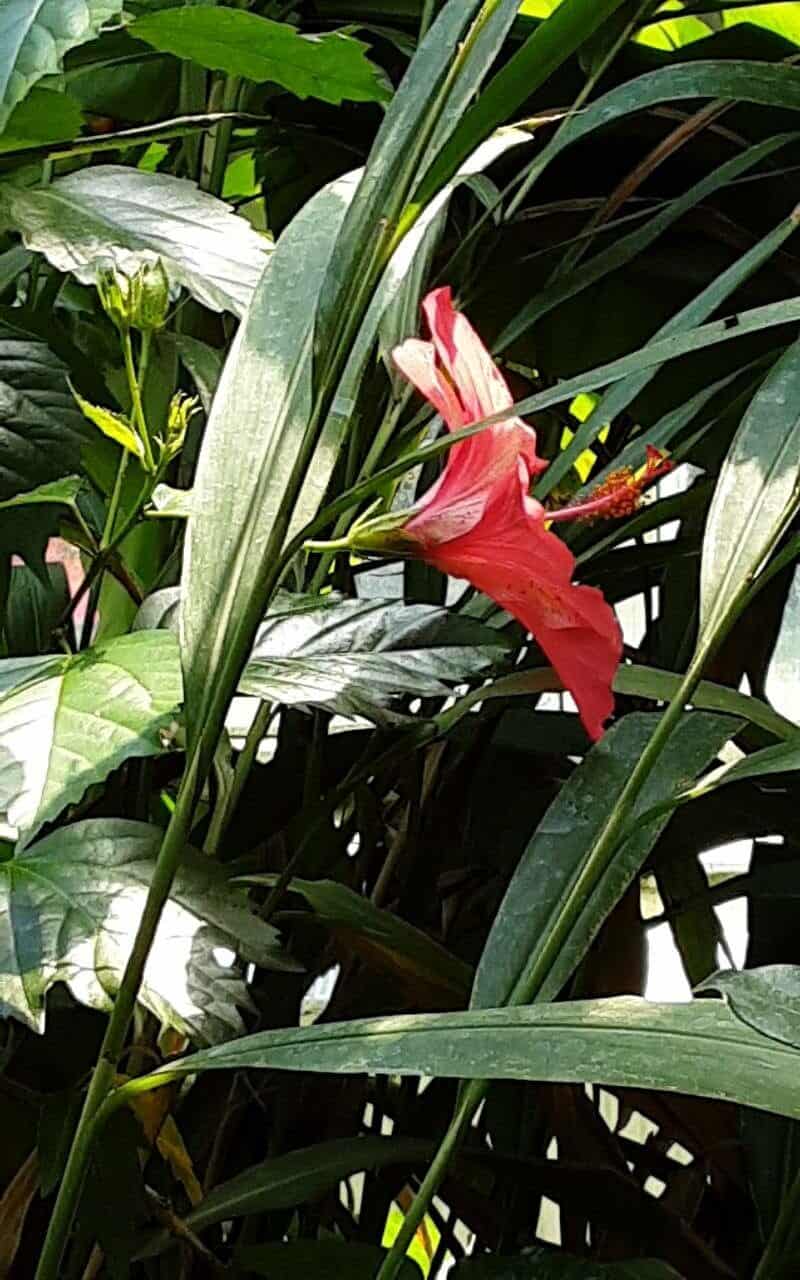
Blooming Beauty: Propagating Your Own Hibiscus angolensis
The Hibiscus angolensis, also known as the Wild Hibiscus or Pink Hibiscus, is a captivating plant native to southern Africa. With its stunning pink flowers and lush green foliage, it’s no wonder enthusiasts want to multiply their hibiscus bounty. Luckily, propagating Hibiscus angolensis is a rewarding endeavor, even for novice gardeners. Let’s explore the two most effective methods:
1. Stem Cuttings: A Step-by-Step Guide to Success
Propagating from stem cuttings is the most popular and reliable method for Hibiscus angolensis. Here’s how you can do it:
a) Timing is Key: The ideal time for taking cuttings is during the plant’s active growing season, which is typically spring or early summer.
b) Selecting the Right Cuttings: Choose healthy, non-flowering stems that are approximately 4-6 inches long. Look for stems with at least two to three nodes (small bumps where leaves emerge).
c) Preparing the Cuttings: Using clean, sharp pruning shears, make a cut just below a node at a 45-degree angle. Remove the leaves from the bottom third of the cutting, leaving only two or three leaves at the top.
d) Encouraging Root Development: Dipping the cut end in rooting hormone powder (optional but recommended) can stimulate faster and healthier root growth.
e) Planting the Cuttings: Fill small pots with a well-draining potting mix. Make a hole in the center of each pot and gently insert the cutting, ensuring the bottom node is submerged.
f) Creating a Humid Environment: Cover the pots with a plastic bag or humidity dome to create a warm and humid environment, essential for root development.
g) Patience is a Virtue: Place the cuttings in a bright location, out of direct sunlight. Keep the soil consistently moist but not soggy. Rooting typically takes 4-8 weeks.
2. Seed Propagation: Embracing the Element of Surprise
While less common, propagating Hibiscus angolensis from seeds can be a fun experiment, especially if you enjoy a touch of unpredictability.
a) Seed Collection and Preparation: After the flowers fade, the Hibiscus angolensis develops seed pods. Collect these pods once they turn brown and dry. Break them open to extract the seeds.
b) Sowing the Seeds: Plant the seeds in seed trays or small pots filled with a seed-starting mix. Sow the seeds about ¼ inch deep and lightly cover them with soil.
c) Providing Optimal Conditions: Keep the soil consistently moist and place the trays in a warm, bright location, out of direct sunlight.
d) Germination: Be patient, as hibiscus seeds can take anywhere from a few weeks to a couple of months to germinate.
e) Transplanting: Once the seedlings have developed a few sets of true leaves, they can be transplanted to larger pots or directly into the garden.
Nurturing Your New Plants:
Whether you propagate through cuttings or seeds, remember that young Hibiscus angolensis plants need extra care. Provide them with well-draining soil, ample sunlight, and regular watering. Protect them from frost and extreme temperatures.
By following these simple steps, you can successfully propagate your very own Hibiscus angolensis plants, adding bursts of vibrant pink to your garden for years to come. Happy propagating!