
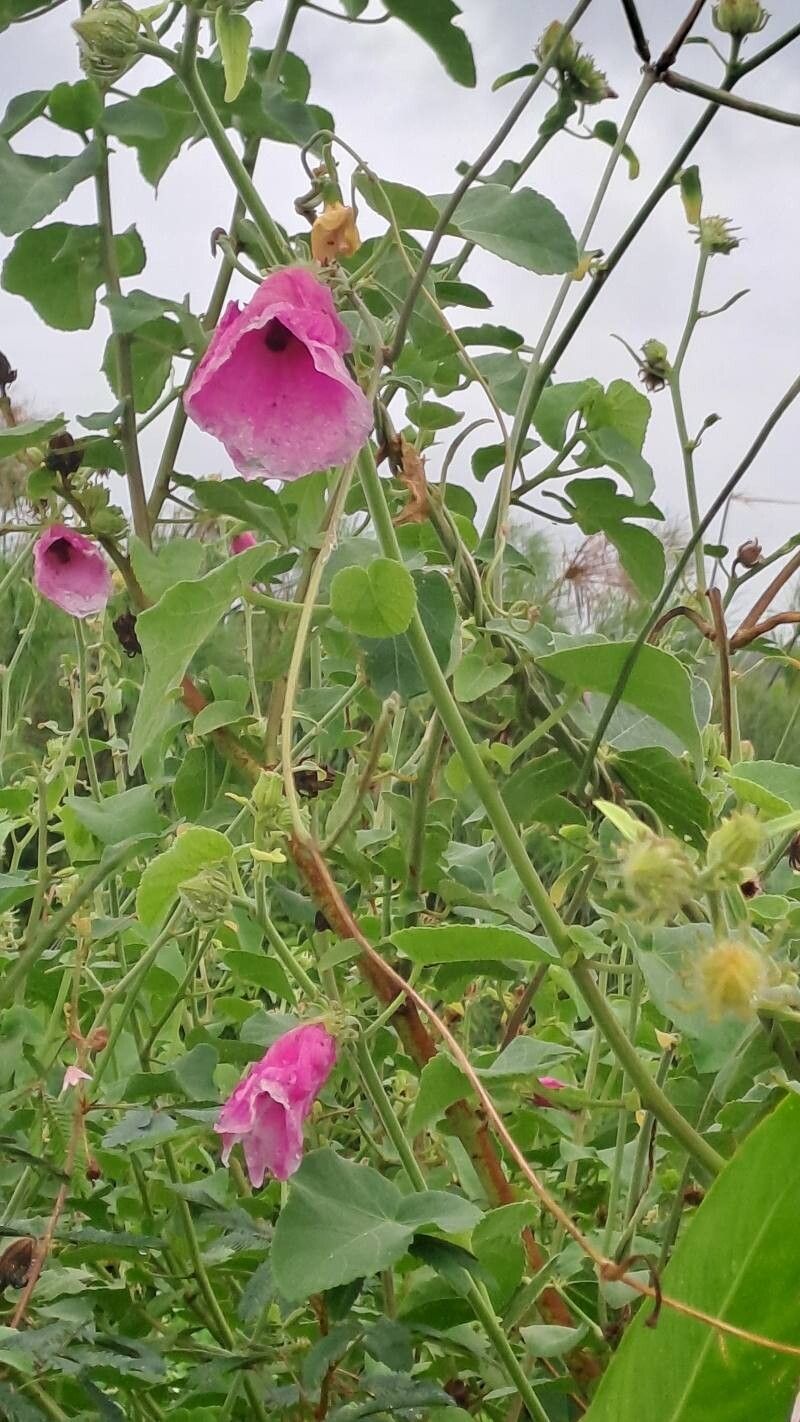
Propagating Hibiscus furcellatus: Challenges and Rewards of Cultivating the Coral Hibiscus
Hibiscus furcellatus, commonly known as the Coral Hibiscus, is a captivating shrub renowned for its vibrant, coral-pink flowers and attractive, deeply lobed leaves. Its striking beauty has made it a sought-after addition to gardens worldwide, particularly in tropical and subtropical climates. However, propagating this species presents unique challenges. While its popularity among gardeners is high, successful propagation requires patience, attention to detail, and a thorough understanding of the plant’s specific needs. This article will explore different propagation methods, highlighting their successes and challenges.
Seed Germination:
Currently, there are no known reliable methods for seed germination propagation of Hibiscus furcellatus. While the plant does produce seeds, their germination rate is notoriously low, and successful propagation via seeds is rarely reported. Further research is needed to determine if specific pre-treatments or environmental conditions could improve germination success.
Cuttings:
Cuttings represent a more viable method for propagating Hibiscus furcellatus.
Challenges: The primary challenge lies in achieving successful rooting. Coral Hibiscus cuttings can be prone to rotting if not handled correctly. Environmental conditions, particularly humidity and temperature, must be carefully controlled.
Practical Tips: Softwood cuttings taken in spring or early summer have the highest success rate. The cuttings should be about 4-6 inches long, with the lower leaves removed. Dip the cut ends in a rooting hormone powder before planting in a well-draining propagation mix (e.g., perlite and peat moss). Maintaining high humidity (e.g., using a humidity dome or misting regularly) is crucial. Place the cuttings in a warm, bright location but avoid direct sunlight. Rooting may take several weeks to months.
Rewards: Cuttings offer a relatively quick way to produce genetically identical plants, preserving desirable traits. This method is suitable for small-scale propagation.
Division:
Division, or separating established plants, is feasible for Hibiscus furcellatus.
Challenges: This method is only applicable to mature plants with well-established root systems. Improper division can damage the parent plant, reducing its vigour or even killing it.
Practical Tips: Divide the plant during the dormant season or early spring. Ensure each division has a healthy portion of roots and several stems. Replant immediately in well-draining soil, keeping the plants moist but not waterlogged.
Rewards: Division offers a relatively straightforward way to increase the number of plants, particularly helpful for larger specimens.
Tissue Culture:
Tissue culture offers the potential for large-scale propagation of Hibiscus furcellatus.
Challenges: This method requires specialized equipment, a sterile environment, and expertise in plant tissue culture techniques. It can be expensive and time-consuming.
Practical Tips: Sterile techniques are paramount to prevent contamination. The appropriate growth media and hormones must be used to induce shoot and root development.
Rewards: Tissue culture enables rapid multiplication of plants, producing a large number of genetically identical seedlings in a short period. This allows for mass production and conservation efforts.
Conclusion:
Propagating Hibiscus furcellatus presents various challenges, depending on the method employed. While seed germination remains unreliable, cuttings provide a practical approach for home gardeners, requiring attention to humidity and rooting conditions. Division offers a viable opportunity for mature plants, while tissue culture holds the key to large-scale propagation but requires specialized knowledge and facilities. The rewards, however – from cultivating a genetically diverse population to successfully nurturing a vibrant plant from a small cutting – make the effort worthwhile. The satisfaction derived from nurturing these exquisite plants, especially after overcoming the hurdles of propagation, is truly unique. Aspiring cultivators should begin with cuttings, ensuring diligent care throughout the process. Patience and a willingness to learn are key to successfully propagating the captivating Hibiscus furcellatus.