
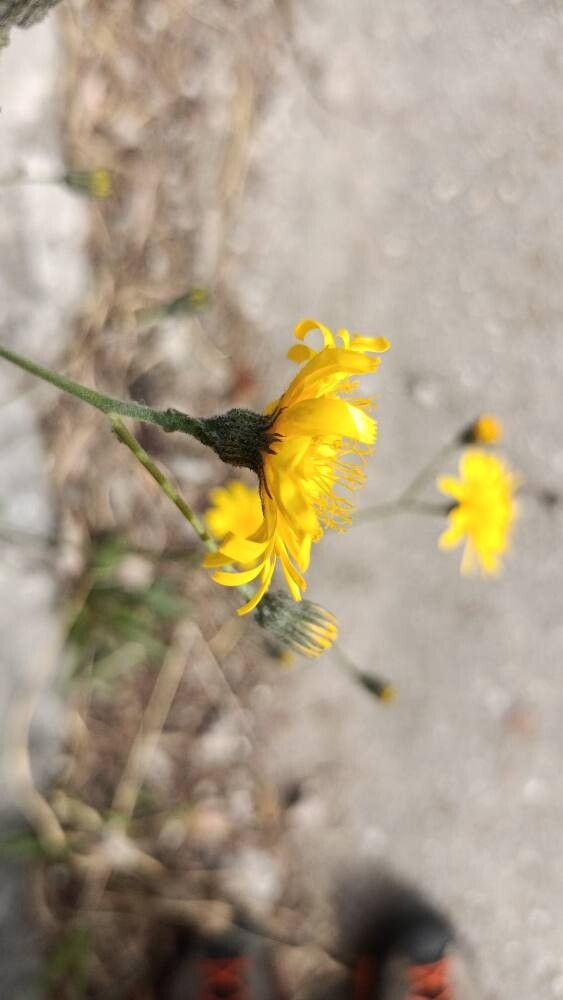
Propagating Hieracium bifidum: A Challenge Worth Embracing
Hieracium bifidum, commonly known as the forked hawkweed, is a captivating alpine perennial cherished for its delicate, branched inflorescences and adaptable nature. Its ability to thrive in rocky, well-drained environments makes it a sought-after addition to rock gardens and alpine troughs, enhancing their aesthetic appeal with its dainty yellow flowers. While its beauty is undeniable, propagating Hieracium bifidum presents a unique set of challenges, demanding patience and meticulous attention from the gardener. This article explores the various propagation methods, highlighting their practicality and offering guidance to those eager to cultivate this intriguing species.
Seed Germination:
Currently, there are no known reliable methods for seed germination propagation of Hieracium bifidum. While the plant does produce seed, germination rates are reportedly extremely low, even under optimized conditions. Factors such as short seed viability and specific microclimatic requirements for germination appear to contribute to these difficulties. Further research is needed to establish a consistent and successful seed germination protocol for this species.
Cuttings:
Propagating Hieracium bifidum via cuttings presents a moderately challenging but potentially rewarding approach.
Challenges: Rooting success is not guaranteed, and the process requires excellent hygiene to prevent infections. The delicate nature of the cuttings makes them susceptible to damage.
Practical Tips: Softwood cuttings taken in spring or early summer, from actively growing shoots, offer the best chance of success. Use a sharp, sterile blade to take cuttings approximately 5-7cm long. Remove lower leaves to prevent rot and dip the cut end in rooting hormone powder. Plant the cuttings in a well-draining, sterile propagation mix, providing a humid environment (e.g., using a propagator or covering with a plastic bag). Keep the cuttings consistently moist but not waterlogged.
Rewards: This method can preserve the genetic characteristics of a particularly desirable mother plant.
Division:
Division is arguably the most reliable and recommended method for propagating Hieracium bifidum.
Challenges: This method requires established, mature plants and can be somewhat disruptive to both the parent plant and the division itself. Care must be taken to avoid damaging the delicate root system.
Practical Tips: The best time for division is during the spring or autumn, when the plant is actively growing or entering dormancy. Gently lift the entire plant, carefully separating the root crown into smaller sections, each with healthy roots and several growing points. Replant the divisions immediately in well-prepared soil that mimics the plant’s natural, well-drained habitat. Avoid overwatering initially to allow the roots to establish.
Rewards: Division ensures a relatively high success rate and quickly increases the number of plants.
Tissue Culture:
Tissue culture remains an unexplored avenue for Hieracium bifidum propagation. Research is essential to determine the feasibility and effectiveness of this method. While it offers the potential for large-scale propagation and disease-free planting material, the technical expertise and specialized equipment required make it currently impractical for most home gardeners.
Conclusion:
Propagating Hieracium bifidum presents several hurdles, with division proving to be the most successful and practical method for the average gardener. While seed germination currently remains unreliable, and tissue culture unexplored, the challenges presented by propagating this delightful plant are certainly outweighed by the remarkable satisfaction of successfully cultivating this unique alpine species. The patience and attention required will cultivate not only a thriving plant, but also a deep appreciation for the intricacies of plant propagation itself. Don’t be discouraged by the challenges; with careful observation, persistence, and the right techniques, you can enjoy the rewarding experience of growing this beautiful forked hawkweed.