
Unlocking the Secrets of Fendler’s Hawkweed: A Guide to Propagation
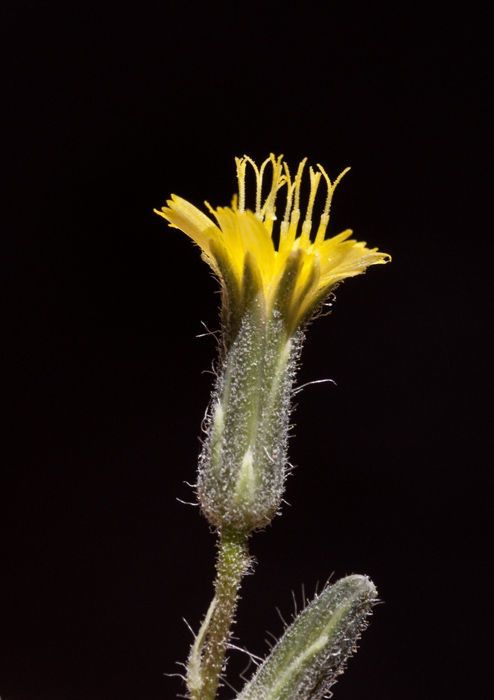
Fendler’s Hawkweed (Hieracium fendleri), with its bright yellow blooms and feathery foliage, is a captivating wildflower native to the American Southwest. For plant enthusiasts looking to add this beauty to their gardens, propagation offers a rewarding path. Unlike many plants that rely on seeds or cuttings, Fendler’s Hawkweed possesses a unique secret: it spreads primarily through division.
Understanding Division: A Natural Way to Multiply
Division is a method of propagation that replicates the natural way plants like Fendler’s Hawkweed spread in their wild habitat. Instead of relying on seeds or cuttings, these plants send out underground runners called rhizomes. These rhizomes develop new shoots and roots, effectively creating clones of the parent plant.
Timing is Key: When to Divide Fendler’s Hawkweed
Timing is crucial for successful division. The best time to divide Fendler’s Hawkweed is in spring, just as new growth begins to emerge. This ensures the divided plants have ample time to establish themselves before the heat of summer arrives.
The Process: A Step-by-Step Guide
- Choose a Healthy Plant: Select a robust Fendler’s Hawkweed plant with multiple shoots and a well-established root system.
- Prepare the Ground: Select a location that receives ample sunlight and has well-drained soil. Amend the soil with compost to enhance fertility.
- Dig and Divide: Gently dig around the base of the plant, taking care not to damage the roots. Carefully pull the plant from the ground and use a sharp knife or trowel to separate the plant into smaller divisions. Each division should have at least one healthy shoot and a good portion of roots.
- Plant the Divisions: Plant the divisions in the prepared soil, ensuring the crown (where the roots and shoots meet) is level with the ground. Firm the soil gently around the plant.
- Water Thoroughly: Water the freshly planted divisions generously to help them settle in. Continue to water regularly until the plants are well-established.
Additional Tips for Success
- Use a Sharp Tool: A sharp knife or trowel will help ensure clean cuts, minimizing the risk of disease.
- Handle with Care: Be gentle when handling the divisions to avoid tearing or damaging the roots.
- Water Regularly: Newly planted divisions need regular watering to establish themselves.
- Watch for Pests and Diseases: Monitor the plants for any signs of pests or diseases, and take appropriate action if necessary.
Advantages of Propagation by Division:
- Faster Growth: Compared to starting from seeds, divisions establish themselves quickly and begin flowering sooner.
- Guaranteed Clones: Division replicates the original plant’s traits, ensuring the new plants will be identical to the parent.
- Easy and Economical: Division is a relatively straightforward method that can save money compared to purchasing new plants.
Fendler’s Hawkweed: More Than Just a Beautiful Flower
This vibrant wildflower is a valuable addition to any garden, not only for its vibrant blooms but also for its ecological role. Fendler’s Hawkweed attracts pollinators like bees and butterflies, contributing to the biodiversity of your landscape.
By learning the art of propagation through division, you can ensure a constant supply of Fendler’s Hawkweed for your garden while contributing to its preservation. So, grab your shovel and get ready to experience the magic of multiplication – one division at a time!