
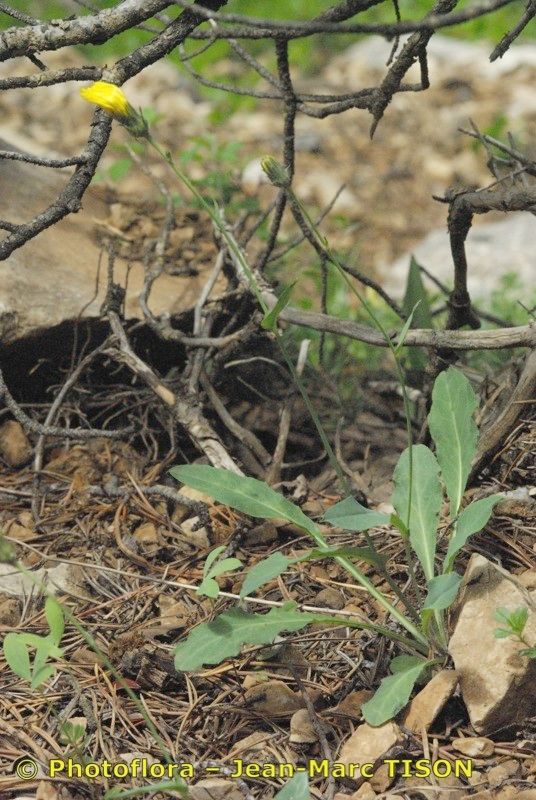
Taming the Hawkweed: Propagating Hieracium hastile
Hieracium hastile, commonly known as the spearleaf hawkweed, is not your average garden variety flower. This intriguing perennial, with its slender leaves and vibrant yellow blooms, harbors a wild spirit that’s both captivating and, for the gardener, potentially challenging. But don’t let its untamed nature deter you! With a bit of understanding and the right approach, you can successfully propagate Hieracium hastile and invite its sunny disposition into your garden.
Understanding the Beast: Seed vs. Division
Hieracium hastile, like many hawkweed species, employs a two-pronged approach to reproduction: seeds and rhizomes.
- Seeds: In the wild, spearleaf hawkweed readily spreads through wind-dispersed seeds. These tiny travelers are incredibly efficient, often leading to the plant being labeled as invasive in certain regions.
- Rhizomes: Adding another layer of propagation prowess, Hieracium hastile also spreads through underground rhizomes. These horizontal stems send out new shoots, creating dense colonies over time.
Propagation Methods: Choose Your Weapon
1. Seed Starting:
- Timing is Key: Sow seeds in early spring, either directly outdoors after the last frost or indoors 6-8 weeks before the last expected frost.
- Light Touch: Sprinkle seeds on the surface of a well-draining seed starting mix and lightly press them in, but do not bury them.
- Patience, Young Padawan: Germination can be erratic, taking anywhere from 1 to 3 weeks.
2. Rhizome Division:
- Divide and Conquer: In the spring or fall, carefully dig up a mature plant. Using a sharp, clean knife or spade, divide the rhizome clump into smaller sections, ensuring each section has a healthy amount of roots and shoots.
- New Beginnings: Replant the divisions immediately in their new locations, ensuring the crown of the plant is level with the soil surface.
Tips for Success:
- Sun Worshipper: Hieracium hastile thrives in full sun to partial shade.
- Well-Drained Soil is a Must: Soggy conditions will lead to root rot. Amend heavy clay soils with compost or sand to improve drainage.
- Water Wisely: When first establishing new plants, water regularly to keep the soil moist but not waterlogged. Once established, they are relatively drought-tolerant.
- Keep an Eye Out: Monitor your Hieracium hastile for any signs of aggressive spreading. Consider planting it in containers or using root barriers to control its growth.
Reap the Rewards:
Successfully propagating Hieracium hastile will reward you with a resilient and cheerful plant that brings a burst of sunshine to borders, rock gardens, and even containers. While it may require a watchful eye, taming this wildflower is a rewarding experience for any gardener seeking to add a touch of vibrant, unbridled beauty to their outdoor spaces.