
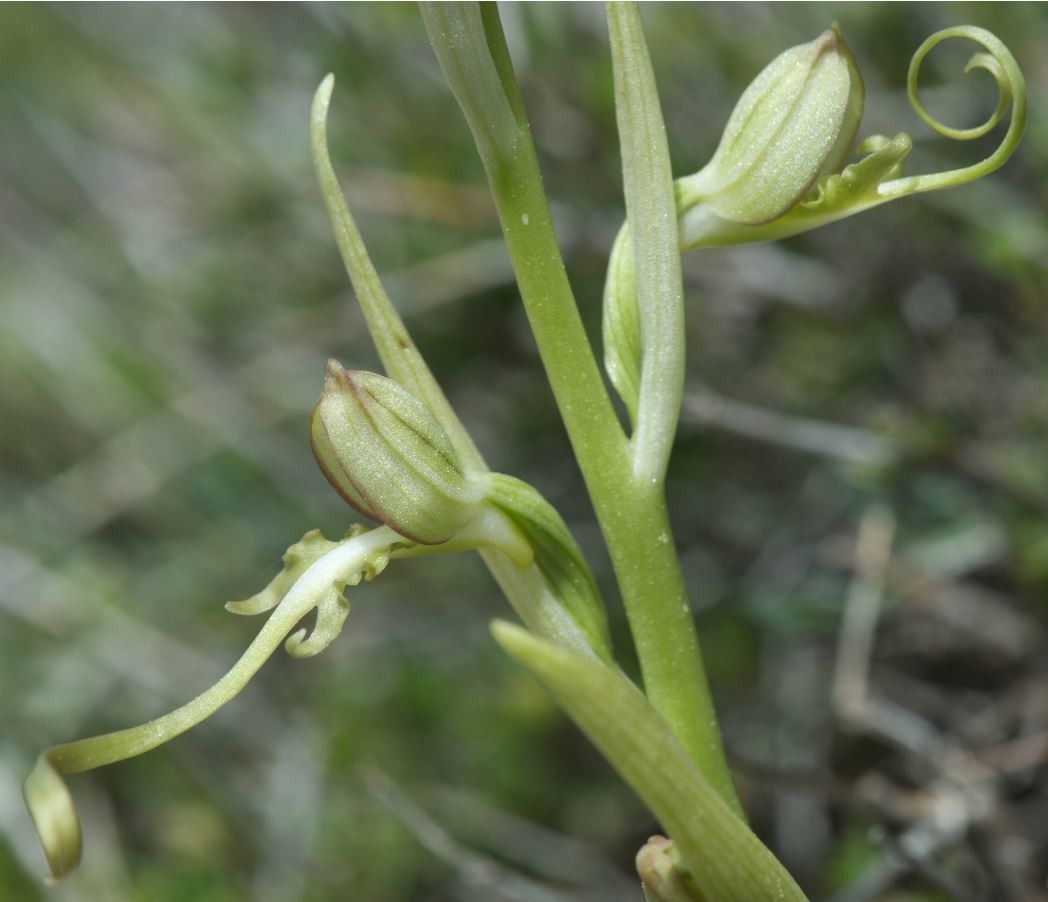
A Goat’s Delight: Propagating the Majestic Lizard Orchid
The Himantoglossum caprinum, or Lizard Orchid, is a truly captivating sight. Sporting stunning, long, and intricately patterned flowers that resemble, you guessed it, a lizard, this European native is a prized addition to any garden. But how can you share this beauty? The answer lies in propagation.
While many orchids are known for their intricate propagation methods, the Lizard Orchid actually offers a relatively straightforward route – through seed.
A Seedling’s Journey
The first step in propagating the Lizard Orchid is acquiring its seeds. These tiny, dust-like particles are best collected from ripe seed pods just before they burst open.
- Gathering Seeds: Keep in mind that Himantoglossum caprinum is protected in many areas, so always check local regulations before collecting seeds.
- Sowing: Seeds need a sterile, light, and airy medium like a mix of peat, perlite, and vermiculite.
- The Importance of Mycorrhizae: The magic lies in the mycorrhizae – a symbiotic relationship between the orchid’s roots and a specific type of fungus. These fungi are crucial for the seedling to absorb nutrients from the soil.
- While obtaining the correct mycorrhizal fungi can be challenging, commercial orchid seed mixes often contain the necessary symbiotic partners.
A Long and Steady Growth
Growing a Lizard Orchid from seed is a marathon, not a sprint. It can take several years for a seedling to reach flowering stage.
- Patience and Consistency: Provide the seedlings with consistent humidity and warmth, ensuring good drainage to avoid root rot.
- Light Requirements: Gentle, indirect sunlight is essential.
- The First Bloom: When the seedling finally reaches maturity, the wait is worth it. The reward? That stunning display of lizard-like flowers that will grace your garden.
Beyond Seeds: A Note on Division
For the more experienced gardener, propagation through division is an alternative option. This involves carefully separating the plant from its rhizome (underground stem) and replanting the resulting divisions. However, this method may be more challenging and is not recommended for beginners.
Protecting Our Orchid Treasures
As a reminder, the Lizard Orchid is often faced with habitat loss and over-collection. Consider supporting conservation efforts by cultivating your seedlings responsibly and educating others about the importance of protecting this stunning plant.
Enjoy the Journey
Growing a Lizard Orchid from seed is a journey of dedication and reward. By understanding the intricacies of its propagation, you can not only enjoy the beauty of this unique orchid but also play a role in its survival. So, embrace the challenge, nurture your seedlings, and watch as your patience blossoms into a magnificent display of natural artistry.