
Propagating the Monkey Orchid: A Guide to Himantoglossum comperianum
Introduction
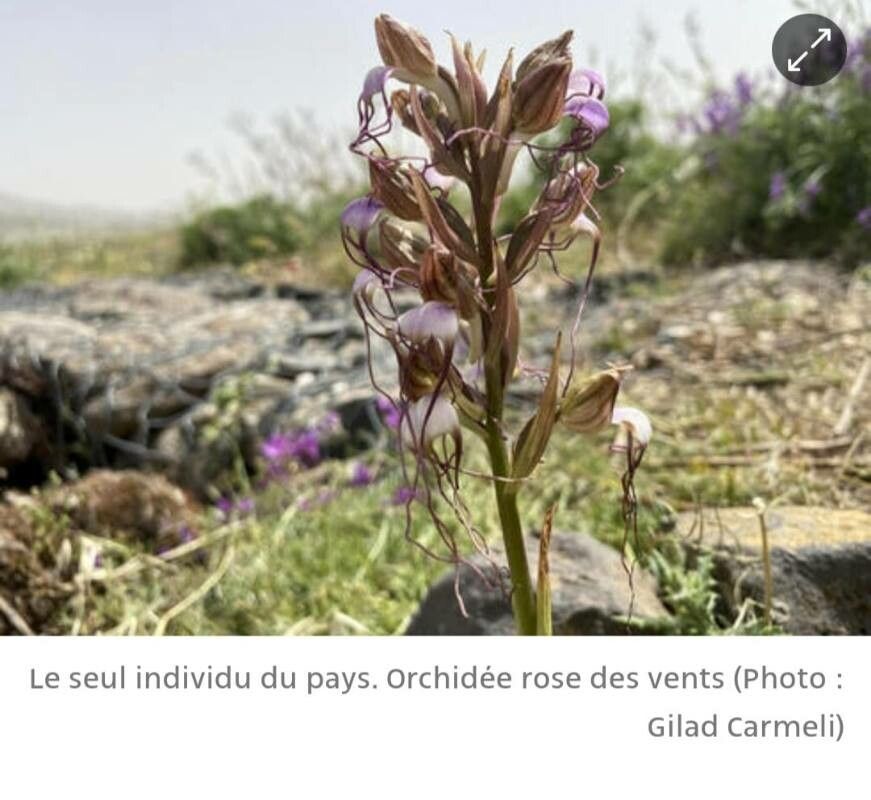
Himantoglossum comperianum, commonly known as the Monkey Orchid, is a strikingly beautiful and highly sought-after orchid species. Its distinctive flowers, resembling a monkey’s face, make it a captivating addition to any orchid collection. However, its propagation presents unique challenges, making successful cultivation a rewarding but demanding endeavor. While its popularity among orchid enthusiasts is growing, the relatively low rate of successful propagation contributes to its rarity in cultivation. This article explores various propagation techniques, highlighting their viability and associated difficulties.
Seed Germination
Currently, there are no known reliable methods for seed germination propagation of Himantoglossum comperianum. The seeds of this orchid, like many other orchids, are dust-like and lack endosperm, relying on a symbiotic relationship with mycorrhizal fungi for germination and early development. Establishing this crucial fungal relationship in a controlled environment is extremely challenging and remains an area of ongoing research for many orchid species, including H. comperianum. Therefore, relying on seed germination for propagating this species is currently impractical for the home grower.
Cuttings
Cuttings are not a viable method for propagating Himantoglossum comperianum. Orchids generally do not readily propagate from stem or leaf cuttings. The plant’s physiology demands specific conditions and symbiotic relationships not easily replicated through simple cutting propagation.
Division
Division of established Himantoglossum comperianum plants is a possible, albeit delicate, method of propagation.
Challenges: Dividing the rhizome risks damaging the delicate root system, potentially leading to the death of both parent and offspring plants. Correctly separating the rhizome to ensure each section possesses sufficient roots and healthy growth points is crucial. Furthermore, the plant needs to be sufficiently mature to tolerate division.
Practical Tips: Division should only be attempted in the dormant season, when the plant is least active. Use a very sharp, sterile knife to avoid inflicting further damage. Ensure each division has a significant portion of healthy roots and at least one actively growing point. Replant the divisions gently in a well-drained, orchid-suitable substrate and keep them in a humid, sheltered environment with careful watering.
Rewards: Successful division offers a relatively straightforward (compared to other methods) means to increase the number of plants. However, the success rate is highly dependent on careful technique and post-division care.
Tissue Culture
Tissue culture offers the most promising, albeit technically demanding, method for propagating Himantoglossum comperianum.
Challenges: Establishing a sterile environment and mastering the complexities of orchid tissue culture protocols requires specialized equipment, a clean laboratory setting, and substantial expertise. This method presents significant technical hurdles for the average home grower. Specific media formulation and growth regulator requirements for H. comperianum are likely to require extensive experimentation.
Practical Tips: This method is best left to specialized laboratories or experienced orchid tissue culture professionals.
Rewards: Tissue culture offers the potential for mass propagation and genetic preservation of this rare and challenging orchid species.
Conclusion
Propagating Himantoglossum comperianum presents substantial challenges. While seed germination is currently unreliable, division offers a viable though delicate option for experienced growers, and tissue culture holds the greatest potential for large-scale propagation, although sophisticated knowledge and equipment are required. The relatively low success rate of commonly available methods highlights the importance of careful technique, patience, and understanding the plant’s specific needs. However, the unique beauty of the Monkey Orchid and the satisfaction derived from successfully cultivating it make the effort worthwhile for dedicated orchid enthusiasts. Aspiring propagators should begin with learning optimal growing conditions for mature plants before attempting propagation. Patience and a willingness to learn are key to success in this rewarding, albeit demanding, endeavor.