
Unlocking the Secrets of the Himalayas: Propagating Sea Buckthorn (Hippophae tibetana)
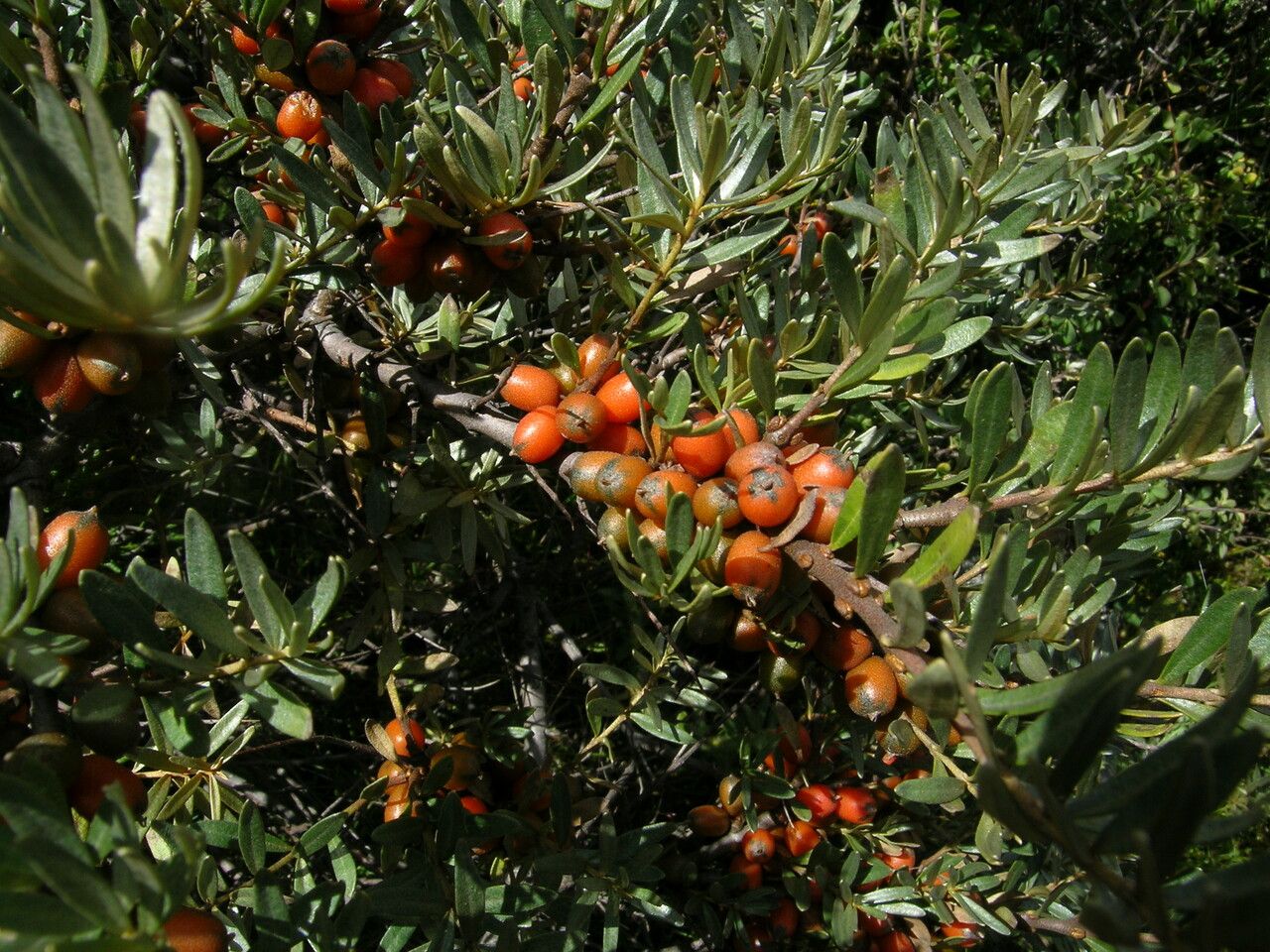
The Tibetan Plateau, a land of stark beauty and harsh climates, is home to a botanical marvel – the Hippophae tibetana, or Tibetan Sea Buckthorn. This resilient shrub, adorned with silvery leaves and vibrant orange berries, isn’t just a feast for the eyes; it’s a powerhouse of nutrients with a rich history in traditional medicine.
If you’re intrigued by the prospect of welcoming this hardy and beneficial plant into your own garden, understanding its propagation is key. While a touch more demanding than some, successfully growing Sea Buckthorn from seed or cuttings can be a rewarding experience.
Sowing the Seeds of Success:
- Berry Good Source: Begin your journey in autumn when the female plants boast ripe berries. Remember, Sea Buckthorn is dioecious, meaning you need both male and female plants for fruit production.
- Patience is Key: Extract the seeds from the fleshy berries and allow them to dry. These seeds need a period of cold stratification to break their dormancy. Store them in moist sand or peat moss in your refrigerator for at least 3 months.
- Spring Awakening: Sow the stratified seeds in a well-draining seed starting mix, barely covering them with soil. Keep the soil consistently moist and place the tray in a warm, bright location.
- Slow and Steady Wins the Race: Germination can be erratic, taking anywhere from a few weeks to a couple of months. Once the seedlings have developed a few true leaves, transplant them into individual pots.
Branching Out: Propagation through Cuttings:
- Timing is Everything: Take hardwood cuttings in late fall or early winter when the plant is dormant. Select healthy, one-year-old stems for the best results.
- Cut Above the Rest: Using sharp, sterilized pruning shears, make a clean cut just below a leaf node. Each cutting should be about 6-8 inches long. Remove the lower leaves, leaving 2-3 pairs at the top.
- Hormonal Help: While not strictly necessary, dipping the cut end in rooting hormone can significantly increase your success rate.
- Creating the Perfect Environment: Plant the cuttings in a well-draining potting mix, burying at least a third of their length. Keep the soil consistently moist and provide bottom heat if possible.
Nurturing Your New Growth:
Whether you choose seeds or cuttings, patience and proper care are crucial in the early stages. Sea Buckthorn prefers well-drained soil and thrives in full sun to partial shade. Once established, it’s relatively drought-tolerant but benefits from regular watering, especially during dry spells.
Reaping the Rewards:
Successfully propagating your own Hippophae tibetana brings a sense of accomplishment and the promise of future harvests. These vibrant berries are not only visually appealing but also packed with vitamins, antioxidants, and essential fatty acids, making them a valuable addition to your diet and natural remedies.
A Legacy of Resilience:
The Tibetan Sea Buckthorn is a testament to nature’s resilience, thriving in harsh environments. By mastering its propagation, you’re not just cultivating a plant; you’re cultivating a connection to the rich biodiversity of the Himalayas and embracing a tradition of natural wellbeing passed down through generations.