
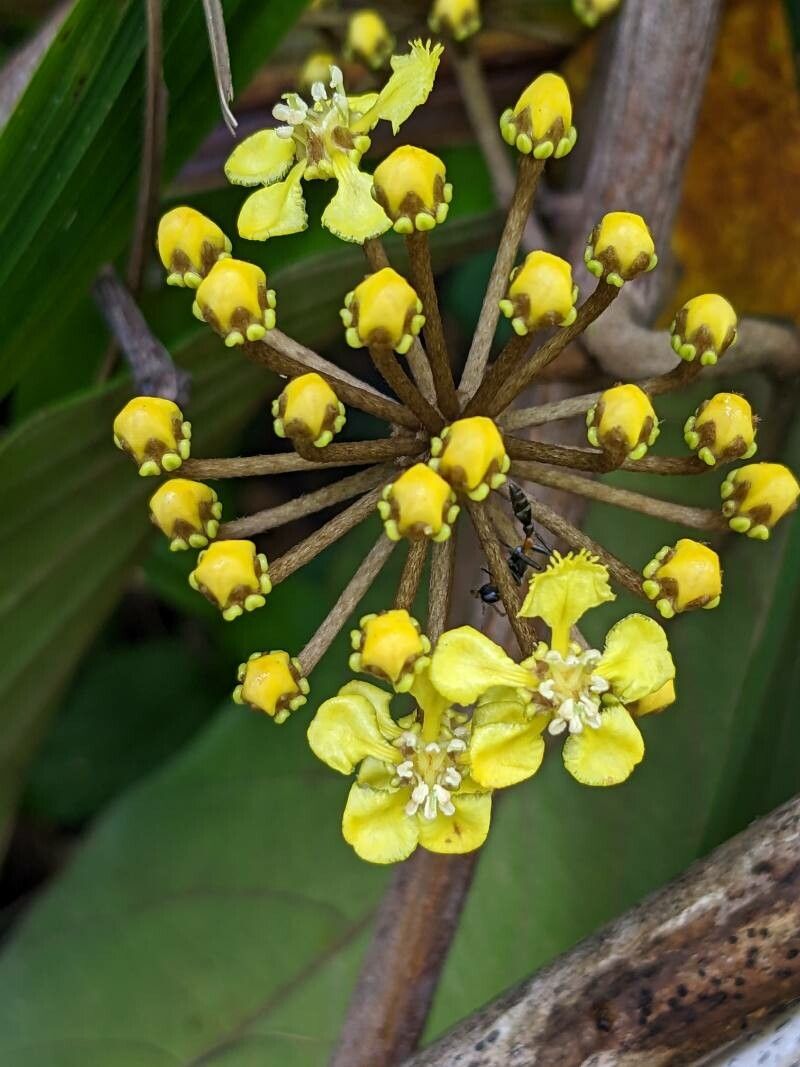
Propagating Hiraea quapara: A Gardener’s Challenge and Reward
Hiraea quapara, commonly known as the Firecracker Vine or sometimes the Passion Flower Vine (though it is not a true Passiflora), is a captivating climbing plant prized for its vibrant, showy flowers. Its rapid growth and ability to adorn walls, fences, or trellises makes it a popular choice among gardeners, though propagation can present certain challenges. This article explores various methods of propagating Hiraea quapara, weighing their viability and effectiveness.
Seed Germination:
Currently, there are no known reliable methods for seed germination propagation of Hiraea quapara. While seeds may be produced, their viability is notoriously low, and germination rates are extremely poor, even under optimal conditions. Extensive research would be required to determine if specific pre-treatment methods (such as scarification, stratification, or hormonal treatments) could improve germination success.
Cuttings:
This appears to be the most promising method for propagating Hiraea quapara.
- Challenges: Success rates can vary depending on the timing (ideally during the active growing season), the type of cutting (semi-hardwood cuttings are generally preferred), and the rooting environment. Maintaining appropriate humidity and preventing fungal infections are crucial.
- Practical Tips: Take semi-hardwood cuttings, approximately 4-6 inches long, from healthy stems. Remove lower leaves to prevent rot and dip the cut end in rooting hormone powder. Plant the cuttings in a well-draining, sterile propagation mix (a mix of perlite and peat moss works well). Cover the cuttings with a plastic dome or humidity tent to maintain high humidity. Place the cuttings in bright, indirect light and keep the medium consistently moist but not waterlogged. Bottom heat can significantly increase rooting success.
- Rewards: Cuttings offer a relatively rapid method of propagation, allowing for the multiplication of desirable plant characteristics from a parent plant that has proven itself successful in your garden.
Division:
Division is generally not a viable method for propagating Hiraea quapara. The plant doesn’t readily produce easily separable divisions like some clump-forming plants. Attempts at dividing the root system are likely to severely damage the plant, leading to its death or severely hindering its growth.
Tissue Culture:
- Challenges: Tissue culture requires specialized equipment, a sterile environment, and expertise in plant tissue culture techniques. It is a more complex and expensive method.
- Practical Tips: This method requires a laboratory setting with sterile conditions and nutrient media specifically formulated for Hiraea quapara (which may need to be developed through experimentation). Explants (small pieces of plant tissue) would be cultured in vitro to induce the formation of shoots and roots. Once sufficiently developed, plantlets can then be transferred to potting mix.
- Rewards: Tissue culture offers the potential for large-scale propagation, producing genetically identical plants, and eliminating the risk of disease transmission from the mother plant.
Conclusion:
Propagating Hiraea quapara presents challenges, with seed propagation currently deemed unreliable. Cuttings offer the most accessible and practical method for the average gardener. While tissue culture promises large-scale propagation, its complexities and costs make it more suitable for commercial production or advanced hobbyists. Although difficulty is inherent in the process, the rewarding sight of a successfully propagated Hiraea quapara flourishing in your garden, showcasing its vibrant blooms, makes the effort incredibly worthwhile. Don’t be discouraged by initial setbacks; patience and persistence are key to success. Remember to meticulously maintain proper humidity and environment for cuttings to achieve the highest chance of success. The vibrant flowers of the Firecracker Vine are a prize worth striving for.