
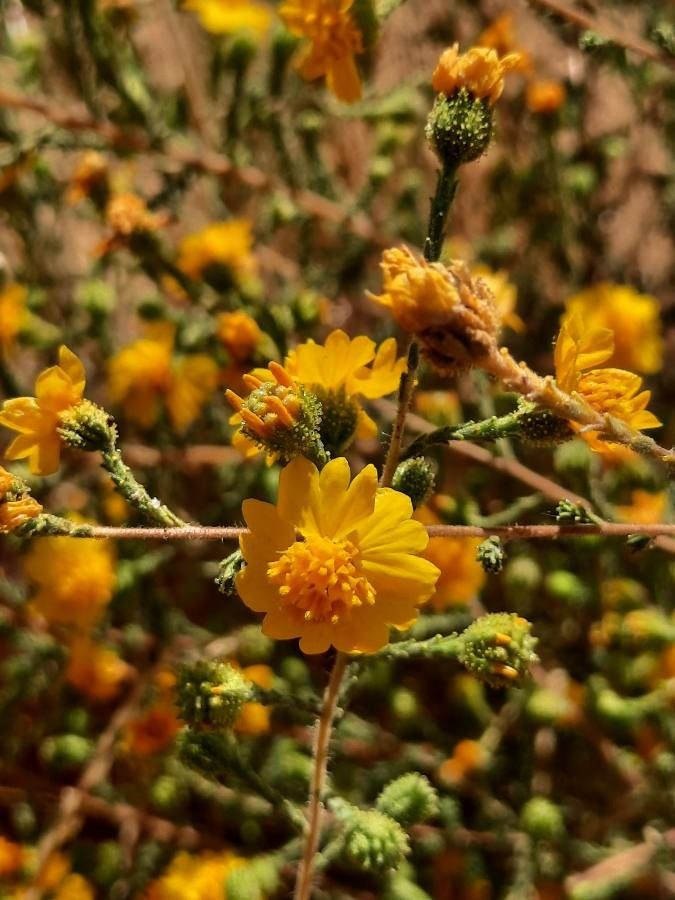
Seeding Success: Growing New Generations of Heermann’s Tarweed
Heermann’s tarweed (Holocarpha heermannii), a charming California native with sunny yellow blossoms, might not be as widely known as roses or sunflowers, but for those seeking a low-maintenance, drought-tolerant beauty, it’s a hidden gem. And the best part? Propagating Heermann’s tarweed is surprisingly simple, primarily relying on the magic of seeds.
Collecting the Treasure: Harvesting Heermann’s Tarweed Seeds
The journey begins with collecting seeds from existing plants. Look for the telltale signs of mature seed heads: a change in color from green to brown and a slightly dry texture. Here’s how to harvest:
- Timing is Key: Collect seeds on a dry day after the morning dew has evaporated. This ensures they’re not damp, which can lead to mold.
- Gentle Removal: Gently pinch or snip the seed heads off the plant, taking care not to scatter the seeds prematurely.
- Drying and Separation: Spread the seed heads on a clean, dry surface like a paper towel or newspaper. Allow them to dry indoors for about a week. You can then easily separate the seeds from the heads by rubbing them gently.
Sowing for Success: Planting Heermann’s Tarweed Seeds
With a stash of precious seeds in hand, you’re ready to usher in a new generation of these cheerful blooms. Here’s a step-by-step guide to planting:
- Timing is Everything (Again!): Aim to sow your seeds in late fall or early winter, coinciding with the natural rainy season in California. This replicates their natural cycle and gives them the best chance of establishing themselves.
- Location, Location, Location: Choose a spot in your garden that receives full sun (at least six hours per day) and has well-drained soil. Heermann’s tarweed thrives in dry conditions, so avoid overly moist areas.
- Direct Sowing: Skip the indoor seed starting and sow directly into the prepared garden bed. Scatter the seeds on the soil surface and lightly rake them in, ensuring they’re covered with about 1/4 inch of soil.
- Water Wisely: While Heermann’s tarweed is drought-tolerant, providing consistent moisture during the germination period is crucial. Water gently to avoid dislodging the seeds, and allow the soil to dry slightly between waterings.
Patience and Observation: The Keys to Growing Success
Once planted, all that’s left is patience and a watchful eye. Here’s what to expect:
- Germination: Depending on temperature and moisture, seedlings should emerge in a few weeks to a couple of months.
- Thinning the Herd: As seedlings grow, thin them out to prevent overcrowding, leaving about 6-12 inches between plants.
- Minimal Care, Maximum Joy: Heermann’s tarweed requires very little maintenance once established. Occasional weeding and minimal watering during dry spells are usually sufficient.
By following these simple steps, you can cultivate a thriving patch of Heermann’s tarweed, adding cheerful splashes of yellow to your garden and playing a part in preserving this beautiful California native. So, grab your gardening gloves, gather those seeds, and get ready to experience the satisfaction of growing these resilient wildflowers from seed.