
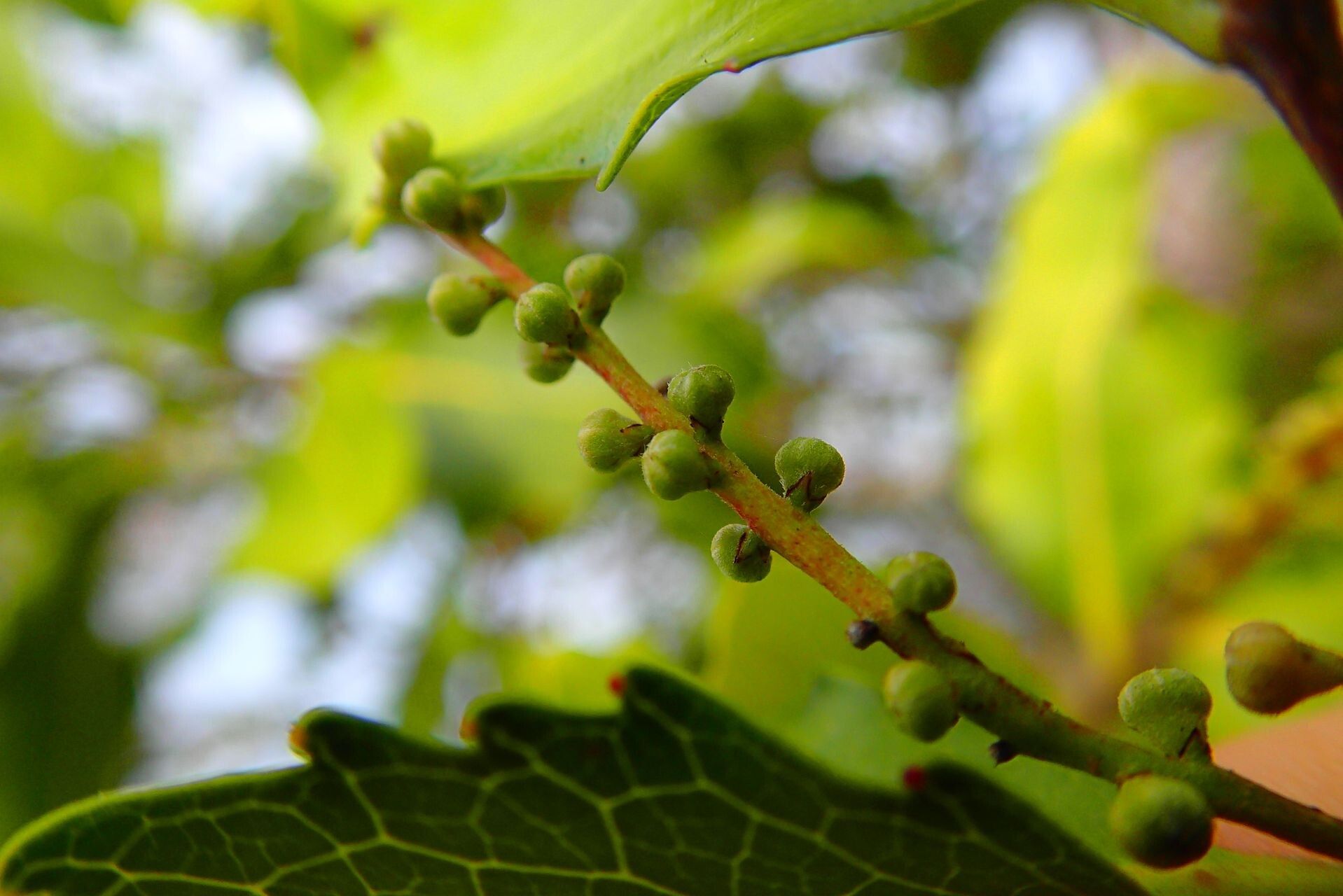
Propagating Homalium deplanchei: A Gardener’s Challenge
Homalium deplanchei, while lacking a widely-used common name, is a captivating tropical tree prized for its attractive foliage and potential as an ornamental or shade tree. Its relatively unique appearance, with its glossy, dark green leaves and interesting branching structure, has earned it a growing following among gardeners interested in cultivating less common species. However, propagating H. deplanchei presents unique challenges, making successful cultivation a rewarding accomplishment.
Seed Germination:
Currently, there are no known reliable methods for seed germination propagation of Homalium deplanchei. While the plant produces seeds, their viability appears low, and successful germination rates have not been documented in horticultural literature. Further research into seed pretreatment techniques, including scarification or various stratification protocols, may be necessary before seed propagation becomes a viable option.
Cuttings:
Cuttings offer a more promising avenue for propagating Homalium deplanchei. The challenges lie in achieving successful rooting.
- Challenges: H. deplanchei cuttings are prone to rot if not properly managed. Maintaining high humidity and employing appropriate rooting hormone are crucial to prevent fungal infections.
- Practical Tips: Semi-hardwood cuttings, taken in late summer or early autumn, have the highest chance of success. These cuttings should be approximately 4-6 inches long, taken just below a node. Dip the cut end in a rooting hormone powder and plant them in a well-draining propagation mix (e.g., perlite and peat moss). Maintain high humidity using a propagator or a clear plastic bag. Consistent bottom heat (around 70-75°F) can significantly improve rooting rates.
- Rewards: Cuttings propagate genetically identical plants, preserving desirable traits present in the parent plant. This method allows for efficient propagation of a specific cultivar or clone.
Division:
Division is not a feasible propagation method for Homalium deplanchei. This species doesn’t develop readily divisible structures like rhizomes or suckers.
Tissue Culture:
Tissue culture presents a potential, albeit complex, method for propagating Homalium deplanchei.
- Challenges: Establishing a suitable tissue culture protocol requires specialized knowledge, equipment, and a sterile environment. Finding the optimal media composition and growth regulators is crucial for successful shoot multiplication and root formation. This method is resource-intensive and requires significant expertise.
- Practical Tips: Specialized laboratories conducting plant tissue culture are needed. Research would be necessary to determine suitable explant types (e.g., nodal segments, leaf sections) and the appropriate growth media.
- Rewards: Tissue culture offers the potential for mass production of H. deplanchei, allowing for large-scale propagation and the preservation of genetic material. It also decreases the risk of disease transmission compared to other methods.
Conclusion:
Propagating Homalium deplanchei is challenging, with seed germination proving unreliable at present. Cuttings offer the most accessible approach for home gardeners, though careful attention to detail and humidity control is vital for success. Tissue culture represents a more advanced and potentially high-yield method but necessitates significant expertise and resources. The rewards, however, are great. Successfully cultivating this unique tropical tree, despite the obstacles, brings a deep sense of accomplishment and the satisfaction of nurturing a plant not easily found in nurseries. For aspiring propagators, patience, persistence, and meticulous attention to detail are key ingredients in achieving success. Remember to research and experiment with the cutting method – you may well be adding to the body of knowledge surrounding its efficient propagation.