
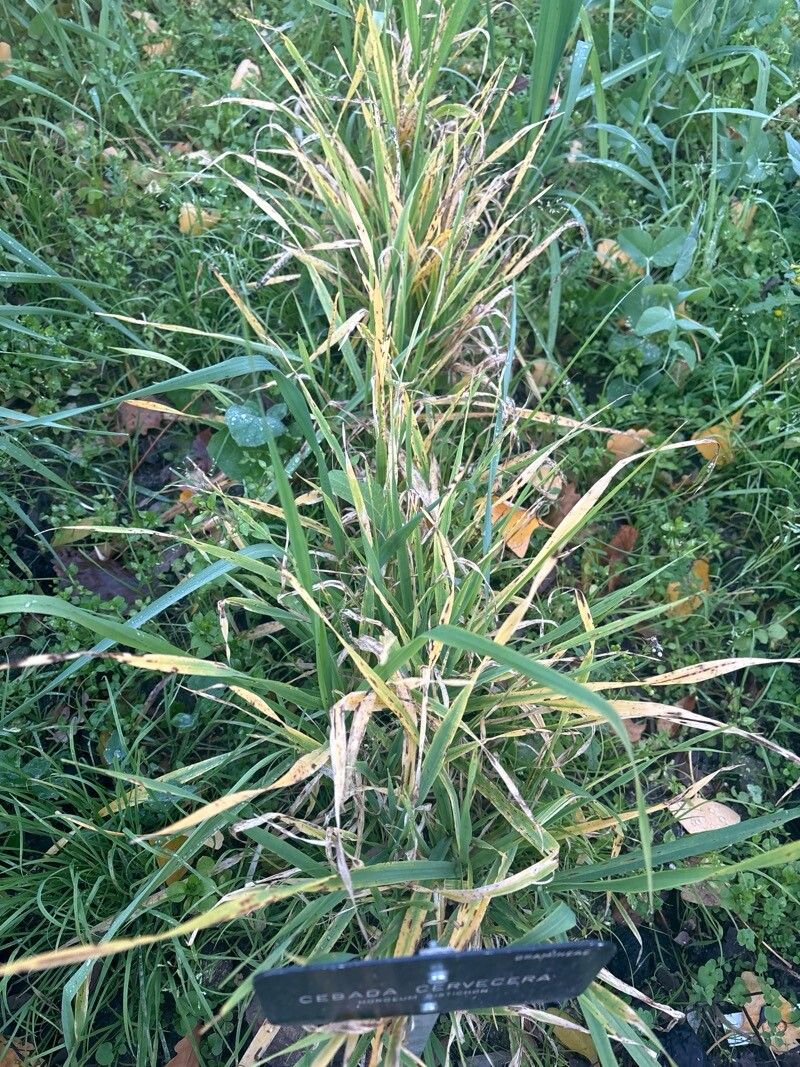
Propagating Hordeum distichon: Cultivating Two-Row Barley
Introduction:
Hordeum distichon, commonly known as two-row barley, is a hardy annual cereal grain valued for its malting qualities and use in brewing. While primarily an agricultural crop, its ornamental value is increasingly recognized by home gardeners, attracted by its elegant, nodding seed heads and ability to thrive in diverse climates. Its relatively straightforward cultivation in fields contrasts with the challenges posed by its propagation, which is less commonly undertaken by hobbyists compared to other ornamental grasses. This article explores various propagation methods for Hordeum distichon, weighing their viability and discussing the associated challenges and rewards.
Seed Germination:
Seed germination is a viable method for propagating Hordeum distichon, although it presents certain challenges. Two-row barley seeds require sufficient moisture and suitable temperatures for optimal germination. Pre-treatment, such as scarification (lightly nicking the seed coat) or stratification (a period of cold moist storage), can improve germination rates, particularly with older seeds. Direct sowing outdoors in autumn or early spring, after soil preparation, is generally effective. Sowing should be at a depth of about 1-2 cm. Maintaining consistent moisture levels is crucial during germination.
Challenges: Germination rates can be variable depending on seed quality and environmental conditions. Weed competition can be a significant issue.
Tips: Choose high-quality seeds from a reputable source. Ensure well-drained soil with adequate sunlight. Regularly water but avoid waterlogging.
Rewards: Seed germination offers the potential for large-scale propagation and maintains genetic diversity, resulting in a wider range of plant characteristics within the population.
Cuttings:
Currently, there are no known reliable methods for propagation of Hordeum distichon using cuttings. Barley, being an annual, does not readily produce viable cuttings. Its physiology is not suited for vegetative propagation from stem or leaf cuttings.
Division:
Currently, there are no known reliable methods for propagation of Hordeum distichon via division. As an annual grass, it does not form the type of rhizomatous or clumping structure suitable for division.
Tissue Culture:
While tissue culture techniques are widely used for propagating many plant species, their application to Hordeum distichon for large-scale propagation remains largely within the realm of research and agricultural settings. This method is not generally accessible to home gardeners due to the specialized equipment, expertise, and sterile conditions required.
Challenges: High initial investment for equipment and specialized knowledge.
Conclusion:
Propagating Hordeum distichon presents unique challenges, with seed germination offering the most readily accessible method for the home gardener. While successful germination requires attention to detail and careful management, the rewards of cultivating this elegant grass are substantial. The inherent genetic variability from seed propagation results in a diverse population, offering a unique satisfaction distinct from vegetative propagation methods. For those willing to invest the time and effort, the eventual sight of vigorous two-row barley plants flourishing, bearing their distinctive seed heads, provides a tangible reward that surpasses the difficulties encountered along the way. Remember to start with high-quality seeds and don’t be discouraged by initial setbacks; patience and persistence are key to success in propagating this fascinating plant.