
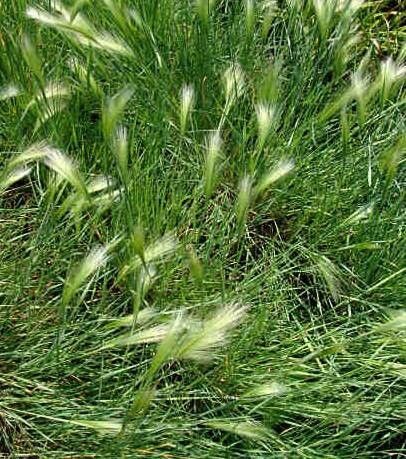
From Seed to Meadow: Unveiling the Secrets of Propagating “Squirreltail” Grass
Have you ever gazed across a sun-drenched meadow, admiring the delicate beauty of swaying grasses? Among these graceful blades, you might find a spiky, silvery treasure – Hordeum jubatum, more commonly known as Squirreltail grass. This native North American beauty, with its unique, foxtail-like seed heads, is a striking addition to any landscape. But how do you bring this wild wonder into your own backyard?
The answer lies in the art of propagation. And thankfully, while it may seem like a daunting feat, growing Squirreltail from seed is surprisingly simple, even for novice gardeners.
Embark on the Journey: Starting from Seed
Timing is Key: Start your Squirreltail adventure in the early spring, just as the first buds of life begin to peek through the soil. This allows ample time for germination and establishment before the heat of summer sets in.
Soil Preparation: Squirreltail thrives in well-drained, sandy soil that mimics its natural habitat. Prepare your chosen area by removing weeds, loosening the soil, and incorporating a light layer of compost to improve its fertility.
Sowing the Seeds: The seeds of Squirreltail are quite small. Aim for a shallow sowing, just barely covering them with soil. Sow them generously, creating an even spacing of 1-2 inches between each seed for optimal growth.
Patience is Virtue: This graceful grass is patient, taking a few weeks to germinate. Keep the soil consistently moist but not waterlogged. Resist the urge to over-water, as this can suffocate the delicate seedlings.
- Sunlight & Thrive: Squirreltail craves full sun – at least 6 hours of direct sunlight each day. Its resilience allows it to tolerate dry conditions, but regular watering during the establishment phase will promote healthy growth.
Beyond Seeds: Exploring Alternative Propagation Methods
While seed propagation offers the most widely accessible route, Squirreltail can also be propagated through division in late summer or early autumn.
Digging & Dividing: Carefully dig up a healthy clump of established Squirreltail, ensuring you retain a good portion of the root system.
Separation: Divide the clump into smaller sections, each containing healthy roots and shoots.
- Replant & Replicate: Plant the divisions in your prepared soil, ensuring adequate spacing for healthy growth.
Embrace the Beauty:
Squirreltail is a low-maintenance, drought-tolerant grass that requires minimal care once established. It thrives in a variety of conditions, adding a touch of wild elegance to gardens, meadows, and naturalised areas.
But a Word of Caution:
While beautiful, Squirreltail can also pose a challenge. Its sharp, awned seeds can irritate skin and even cause allergic reactions in some individuals. This makes it crucial to wear gloves and eye protection when handling the plant, especially during seed collection.
From your backyard to the vast grasslands, the journey of propagating Squirreltail is one of patience, observation, and appreciating the wonders of nature’s resilience. So, why not embrace this adventurous journey today and welcome a touch of wild beauty into your world?