
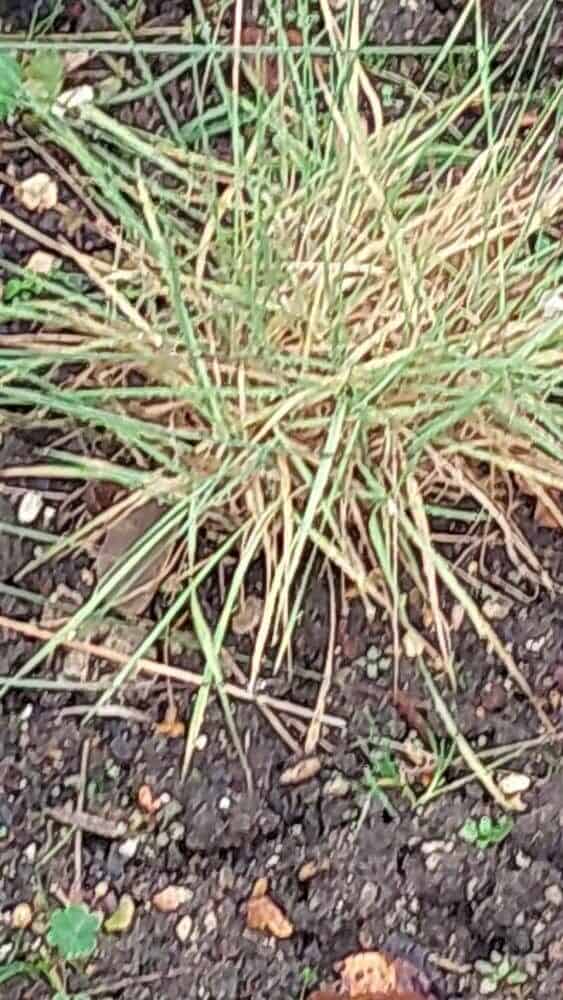
Seeding Success: How to Propagate Meadow Barley (Hordeum secalinum)
Meadow barley (Hordeum secalinum) might not be as famous as its cultivated cousin, barley (Hordeum vulgare), but this graceful grass deserves a place in any naturalistic or wildlife-friendly garden. Offering delicate beauty with its slender stems and soft, green seed heads, meadow barley also serves as a valuable food source for birds and small mammals. Intrigued? Then let’s delve into the world of propagating this charming species!
Why Propagate Meadow Barley?
Beyond its visual appeal and ecological benefits, meadow barley boasts several characteristics that make it a gardener’s friend:
- Easy to grow: It’s a low-maintenance plant, tolerant of various soil types and light conditions.
- Attracts beneficial insects: The flowers attract pollinators, enhancing biodiversity in your garden.
- Prevents erosion: Its extensive root system helps stabilize soil, especially in damp areas.
Two Paths to Propagation:
You have two main options when it comes to propagating meadow barley: seeds and division.
1. Seed Starting:
- Timing is key: Start your seeds indoors 6-8 weeks before the last expected frost, or sow them directly in the garden after the danger of frost has passed.
- Sowing the seeds: Sprinkle seeds on the surface of a well-draining seed starting mix and lightly press them in.
- Light and water: Keep the soil consistently moist but not waterlogged. Provide bright, indirect light.
- Transplanting: Once the seedlings develop a couple of true leaves and the weather warms, harden them off gradually before transplanting them outdoors.
2. Division:
- When to divide: This method is best done in spring or early fall when the plant is actively growing.
- Digging up the clump: Carefully lift a mature meadow barley plant from the ground, ensuring you get a good portion of the root system.
- Dividing the plant: Using a sharp, clean knife or spade, divide the clump into smaller sections, each with a healthy portion of roots and shoots.
- Replanting: Replant the divisions immediately in their desired locations, ensuring the crown of each division is level with the soil surface. Water thoroughly after planting.
Tips for Success:
- Soil: Meadow barley prefers moist, well-drained soil but tolerates a range of conditions.
- Sunlight: It thrives in full sun to partial shade.
- Watering: While drought-tolerant once established, regular watering is beneficial, especially during hot, dry periods.
- Fertilizing: It generally doesn’t require fertilization. However, amending the soil with compost during planting can be beneficial.
- Pests and Diseases: Meadow barley is relatively pest and disease-free.
Final Thoughts:
Propagating meadow barley is a rewarding endeavor, allowing you to easily increase your garden’s beauty and ecological value. Whether you choose to start from seed or divide an existing plant, following these guidelines ensures a successful outcome. So, why not give meadow barley a try? You’ll be charmed by its elegance and delighted by its resilience!