
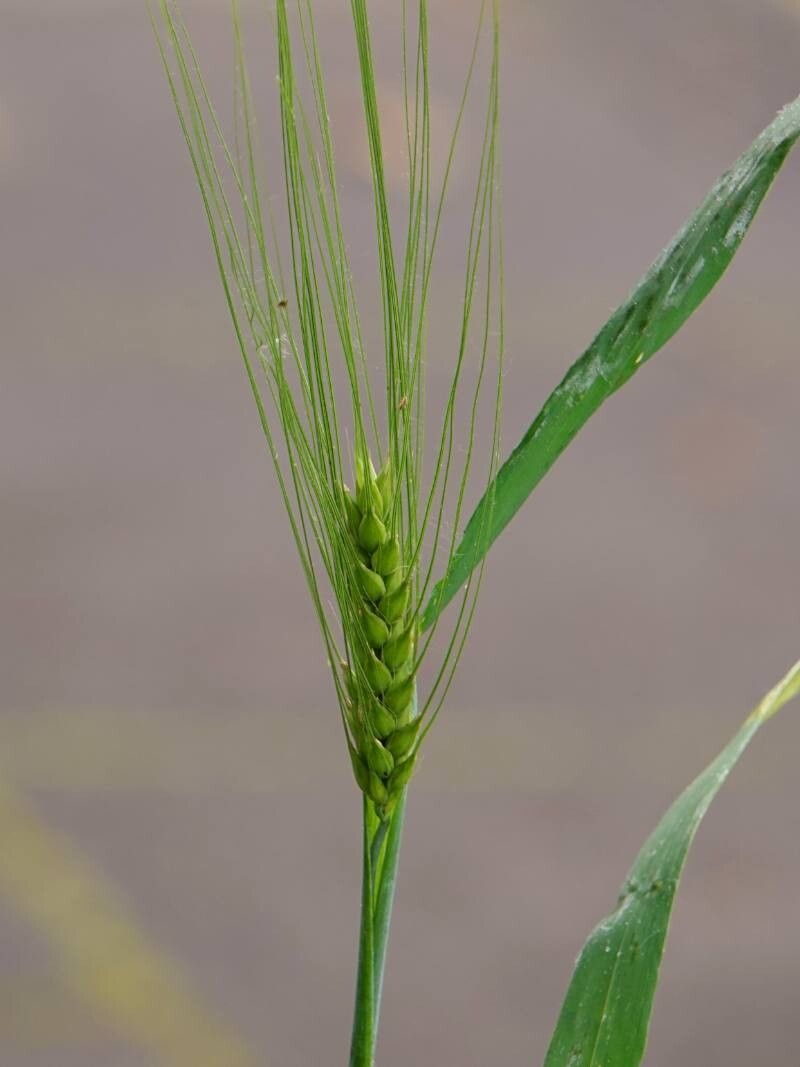
From Seed to Supper: Growing Your Own Barley (Hordeum vulgare)
Barley, the versatile grain behind everything from beer to bread, is surprisingly easy to grow. While you might associate barley with vast fields, cultivating your own patch is within reach, even for beginner gardeners. This blog post will walk you through the fascinating world of barley propagation, from understanding the basics to harvesting your own bounty.
The Journey Starts with a Seed
Barley (Hordeum vulgare) is a cool-season cereal grain, meaning it thrives in cooler weather and prefers temperatures between 40°F and 70°F. Now, let’s dive into the key steps of propagating barley:
1. Choosing Your Seed:
- Opt for varieties suited to your climate and growing season. Consider factors like maturity time and disease resistance.
- Purchase certified seed from reputable sources to ensure quality and prevent potential contamination.
2. Preparing the Soil:
- Barley prefers well-drained soil with a slightly acidic pH (around 5.5 to 7.0).
- Work the soil to a depth of 6-8 inches and loosen it with a rake.
- Incorporate compost or aged manure to improve soil fertility and structure.
3. Seeding Time:
- Spring barley is sown in early spring, as soon as the ground can be worked.
- Fall barley, planted in late summer or early fall, provides a longer growing season in milder climates.
- The ideal planting depth is around 1 inch, with rows spaced 6 to 8 inches apart.
4. Caring for Your Barley:
- Keep your barley bed consistently moist, but avoid overwatering.
- Thin your seedlings to about 4-6 inches apart once they emerge.
- Barley grows best in full sun.
- Consider applying fertilizer to encourage healthy growth, but avoid over-fertilizing.
5. Harvest Time:
- Barley heads will start to mature approximately 60-90 days after planting.
- The kernels will turn from green to a golden brown, signifying readiness for harvest.
- Cut the heads, letting them dry in a well-ventilated area for a few days.
- Once dry, remove the kernels from the husks for storage or use.
Beyond the Basics: Exploring Propagation Methods
While seed propagation reigns supreme for barley, there are alternative methods worth noting:
– Direct Seeding: This is the most common method for large-scale barley production. As the name suggests, seeds are directly sown into the soil, simplifying the process.
– Transplanting: While less common, you can successfully transplant barley seedlings. Start seeds indoors in trays or pots and transplant them outside once they have developed a strong root system.
– From Seed to Malt: Barley’s most famous transformation involves malting. This process converts starch into sugars, setting the stage for brewing beer. Although complex, malting is achievable at home, bringing you closer to the world of craft beer production.
From Garden to Table (or Brewery):
Growing your own barley is both rewarding and empowering. It opens the door to understanding the journey from seed to table and allows you to enjoy the fruits (or rather, grains) of your labor. Whether you’re crafting homemade bread, making your own beer, or simply relishing the deliciousness of this ancient grain, growing your own barley provides a connection to nature and the history of food production. So why not delve deeper into the world of barley and see what delicious possibilities await?