
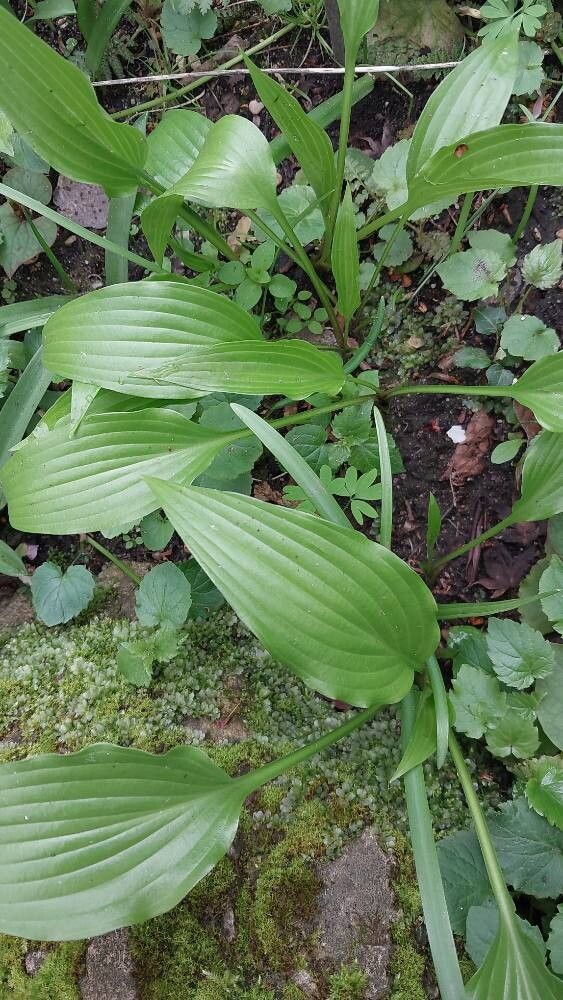
From One Hosta to Many: Unlocking the Secrets of Kiyosumiensis Propagation
Hostas, with their lush foliage and elegant, often colorful leaves, are a beloved mainstay of shady gardens. Among the many varieties, the Hosta ‘Kiyosumiensis’ stands out with its graceful, narrowly pointed leaves and striking variegation, making it a true gem. But what if you could enjoy even more of this beauty in your garden? That’s where propagation comes in, allowing you to create clones of your prized Kiyosumiensis.
The good news is, propagating Hostas can be remarkably easy, even for beginners. There are two primary methods: division and leaf cuttings.
Division – The Quickest Route to More Hostas
Division is the most common and generally successful method. The best time to divide a Hosta is in early spring or late summer/early fall when the plant is actively growing. Here’s how to do it:
- Choose your plant: Select a healthy Kiyosumiensis that’s at least 3-4 years old and has established itself well.
- Prepare the plant: Gently dig around the plant, being careful not to damage the roots.
- Divide the clump: Use a sharp knife or shovel to carefully separate the clump into smaller divisions. Each division should have at least one healthy growth point (eye).
- Plant the divisions: Plant the divisions in slightly acidic, well-drained soil, ensuring the crown is just above the soil line. Water thoroughly.
Leaf Cuttings – A More Patient Approach
While less common for Hostas, leaf cuttings offer an alternative method. This technique requires a bit more patience as it can take a few months to see results.
- Choose your leaves: Select healthy, mature leaves from your Kiyosumiensis plant. Avoid leaves that are damaged or diseased.
- Prepare the cuttings: Cut the leaf into 1-2 inch sections, ensuring each section has a portion of the petiole (leaf stem).
- Start the cuttings: Place the leaf cuttings in a shallow tray filled with a moist mixture of peat moss and vermiculite. Mist the cuttings with water regularly.
- Maintain humidity: Cover the tray with a plastic dome or wrap to create a humid environment.
- Patience is key: It can take several months for the cuttings to develop roots. Keep the mixture moist and monitor for signs of new growth.
Tips for Success
- Time is of the essence: Both division and leaf cuttings are more successful when done during the plant’s active growing period.
- Sterilization is vital: Before dividing or taking cuttings, disinfect your tools with rubbing alcohol to prevent the spread of diseases.
- Prepare well: Choose well-draining soil rich in organic matter for planting your new Hostas.
- Protect from pests and diseases: Keep an eye out for pests like slugs and snails, and be mindful of fungal diseases, especially in humid conditions.
Beyond the Garden: Sharing the Beauty
Propagation isn’t just about expanding your own garden. You can share your Kiyosumiensis with friends and family, or even donate it to a local garden club.
Whether you choose division or leaf cuttings, propagating your Hosta ‘Kiyosumiensis’ is a rewarding experience. It’s a fun and fulfilling way to enjoy more of this beautiful plant and add to the green tapestry of your garden. So, don your gardening gloves, grab your tools, and let the propagation journey begin!