
Propagating the Water Violet: A Guide to Cultivating Hottonia palustris
Introduction:
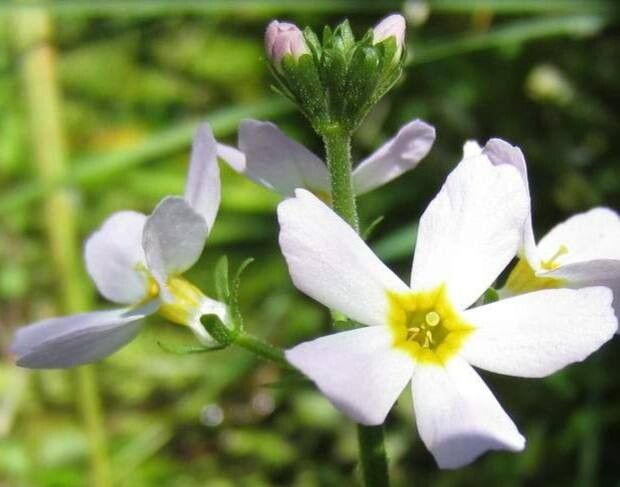
Hottonia palustris, commonly known as the water violet, is a captivating aquatic plant prized for its delicate, whorled leaves and vibrant, pink-lavender flowers. Its ethereal beauty makes it a highly sought-after addition to water gardens and aquariums, particularly among enthusiasts seeking to recreate natural wetland environments. However, its propagation presents unique challenges, rendering successful cultivation a significant accomplishment. This article explores various methods of propagating Hottonia palustris, weighing their advantages and disadvantages.
Seed Germination:
Currently, there are no known reliable methods for seed germination propagation of Hottonia palustris. While the plant does produce seeds, their germination rate is notoriously low and unpredictable under most cultivated conditions. Further research is needed to identify suitable germination protocols, potentially involving specific light, temperature, and nutrient requirements.
Cuttings:
Propagating Hottonia palustris via cuttings is a more viable approach than seed germination.
- Challenges: Success hinges on selecting healthy, actively growing stem cuttings. The cuttings must be submerged in sufficiently shallow water to allow for root development, yet deep enough to support the leaves. Bacterial or fungal infections are a potential problem if the water quality isn’t impeccable.
- Practical Tips: Take 4-6 inch cuttings from healthy stems, ensuring at least two nodes are included. Plant the cuttings in shallow, clean water with good lighting. Regular water changes are crucial to prevent the build-up of harmful bacteria and algae. A balance of sunlight and shade is optimal; too much direct sunlight can scorch the leaves.
- Rewards: Cuttings propagation allows for relatively quick increases in plant numbers, and it maintains the genetic characteristics of the parent plant.
Division:
Division is arguably the easiest and most reliable method for propagating Hottonia palustris.
- Challenges: Successful division requires careful handling to avoid damaging the delicate roots and stems. Overcrowding in the original plant can hinder growth and increase susceptibility to disease.
- Practical Tips: Divide established clumps in spring or early summer. Use a sharp, clean knife or scissors to separate the plant into smaller sections, ensuring each division possesses healthy roots and several stems. Plant the divisions immediately in suitable aquatic conditions maintaining similar light and water parameters as the parent plant.
- Rewards: Division allows rapid multiplication of the plant and is a less demanding method compared to cuttings or tissue culture. It’s particularly useful when dealing with already-established, thriving plants.
Tissue Culture:
Tissue culture offers the potential for large-scale propagation and disease-free stock but presents significant challenges for Hottonia palustris.
- Challenges: Developing a successful tissue culture protocol for this species requires specialised knowledge and laboratory equipment. The optimal media composition, growth regulators, and sterilization procedures must be meticulously determined through experimentation. This process is time-consuming and expensive.
- Practical Tips: This technique is best left to specialized laboratories and experienced tissue culture technicians. Using established protocols of similar aquatic species may offer a starting point, but significant experimentation is likely required.
- Rewards: Tissue culture offers the possibility of mass production of genetically uniform plants, free from diseases and pests, resulting in a more stable and reliable supply of Hottonia palustris for commercial and hobbyist purposes.
Conclusion:
Propagating Hottonia palustris presents unique challenges, primarily due to the plant’s specific aquatic requirements and the difficulties associated with seed germination. While cuttings and division offer easier and more reliable methods for the home gardener, tissue culture holds the key to efficient large-scale propagation. However, even the simplest methods require careful attention to water quality, light intensity, and overall environment.
The satisfaction derived from successfully nurturing a water violet from a cutting or division, overcoming the inherent challenges, is significant. For the dedicated gardener, the delicate beauty and ethereal charm of this aquatic gem is well worth the effort. Don’t be discouraged by initial setbacks – persistent observation and adjustment will enhance your chances of success in propagating this unique and alluring water plant.