
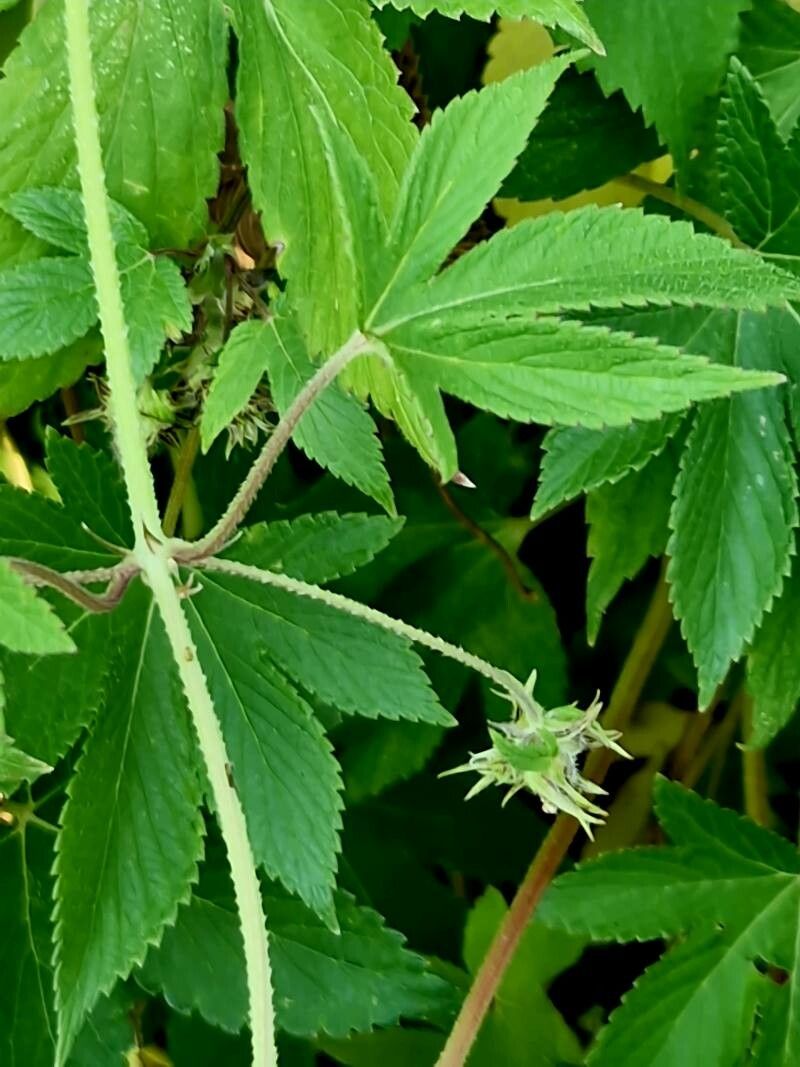
Climbing for Success: How to Propagate Humulus scandens (Hop Vine)
The Humulus scandens, also known as the Japanese hop vine or climbing hop, is a vigorous and attractive climber that adds a touch of lush greenery to any garden. Its fast-growing nature and stunning foliage provide a natural screen and a haven for wildlife. But what if you want to share this beauty with others or simply expand your own collection?
Fear not, because propagating Humulus scandens is surprisingly easy! This article will guide you through the two most effective methods: propagation by cuttings and propagation from seed.
Propagation by Cuttings:
This method is the most popular choice for growing new Humulus scandens plants as it produces true-to-type offspring. Here’s how to do it:
- Timing is everything: Take your cuttings in spring or summer when the plant is actively growing. Choose healthy, non-blooming stems that are about 6-8 inches long.
- Sharp tools for success: Use a sharp knife or pair of pruning shears to make a clean cut just below a leaf node. Remove the bottom leaves, leaving the top two or three intact.
- Dipping in rooting hormone: Dip the cut end of the stem in rooting hormone powder to encourage root development. This step is optional but recommended.
- Preparing for planting: Fill a pot with a well-draining potting mix and make a small hole in the center. Gently insert the cutting, ensuring the lower nodes are buried in the soil.
- Keeping it moist and happy: Water the pot thoroughly and place it in a warm, shady spot. Cover the cutting with a plastic bag or dome to create a humid environment.
- Patience is key: Keep the soil consistently moist and provide indirect sunlight. Within 4-6 weeks, you should see new growth, indicating that your cutting has rooted successfully.
Propagation from Seed:
Growing Humulus scandens from seed requires a little more time and effort but offers the opportunity to experiment with different varieties.
- Harvesting the seeds: Collect ripe seed cones from your existing plant in autumn. The cones will turn brown and papery when ready.
- Preparing the seeds: Gently separate the seeds from the cone and clean them with water. Allow them to dry completely.
- Sowing the seeds: Sow the seeds in a seed tray or pot filled with a seed starting mix. Lightly cover the seeds with a thin layer of soil and water gently.
- Patience and watchful care: Keep the seeds moist and in a bright but indirect light location. Germination can take anywhere from a few weeks to several months.
- Time for transplanting: Once the seedlings develop a few true leaves, you can transplant them into slightly larger pots or directly into the garden. Ensure you provide a sturdy support for the young vines to climb.
Regardless of the method you choose, there are some essential tips for successful Humulus scandens propagation:
- Healthy plant as a starting point: Choose a healthy parent plant that is free from pests and diseases for the best results.
- Consistency is key: Maintain consistent moisture levels, providing plenty of indirect light but avoiding direct sunlight.
- Patience and observation: Observe the cuttings and seedlings closely for signs of growth and new root development. Be patient and give them time to establish themselves.
Humulus scandens is a captivating plant that brings a tropical vibe to any garden. With these propagation methods, you can easily multiply and enjoy its beauty in your own space or share it with friends and family. So grab your tools, choose your method, and get ready to watch your Humulus scandens climb to new heights!