
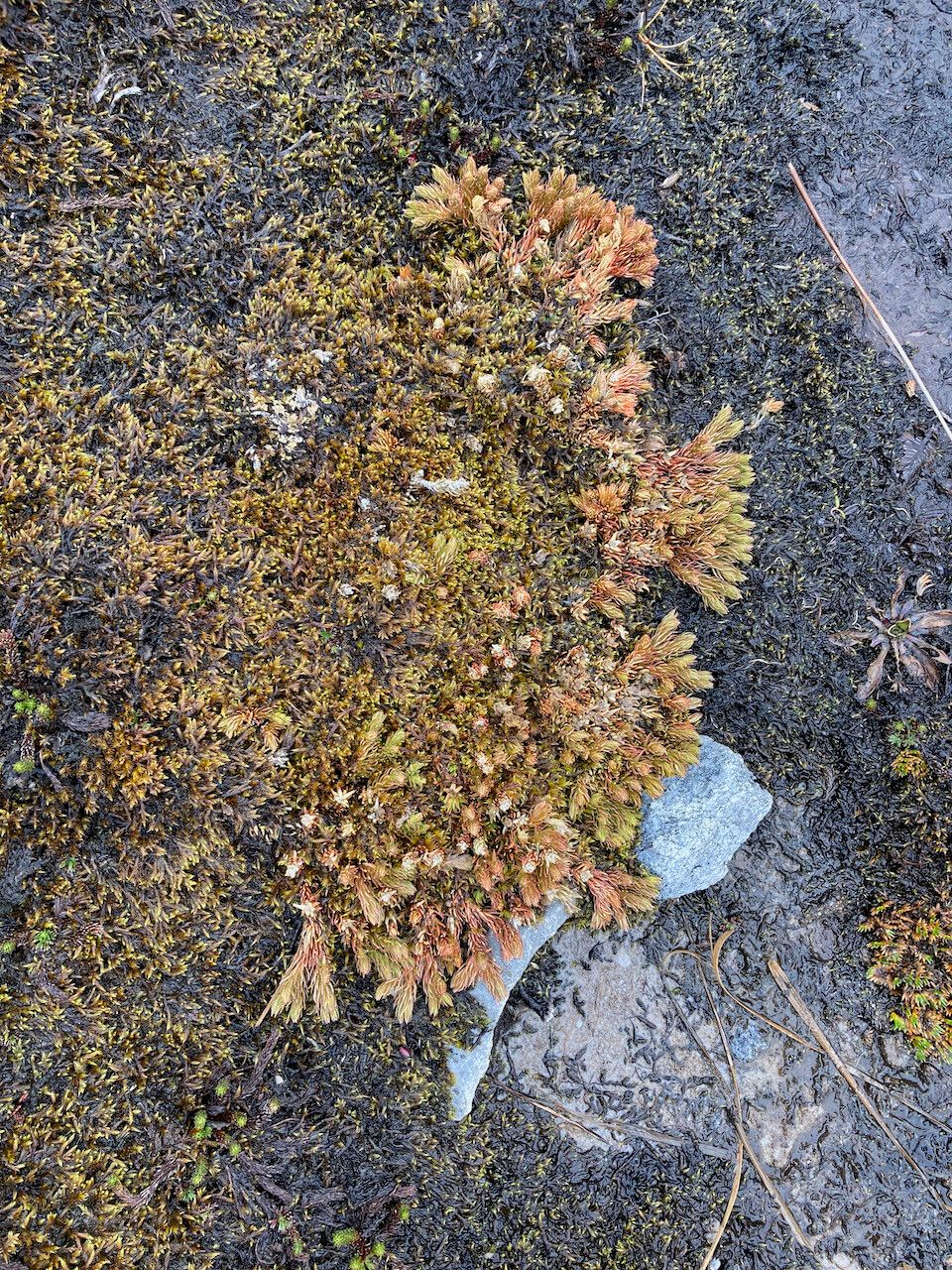
Unveiling the Mystery: How to Propagate the Striking Huperzia cruenta
The Huperzia cruenta, also known as the crimson clubmoss, is a unique and visually arresting plant that’s gaining popularity among houseplant enthusiasts. Unlike the leafy friends we’re used to, this intriguing species looks more like a miniature pine tree with its upright stems and scale-like leaves. While caring for a mature Huperzia cruenta is relatively straightforward, propagating it can feel like unlocking a botanical secret. But worry not, fellow plant lovers, we’re here to demystify the process!
Before diving into techniques, it’s important to understand that Huperzia cruenta doesn’t reproduce through seeds like many other plants. Instead, it utilizes spores, much like ferns. This approach might seem daunting at first, but with a bit of patience and the right knowledge, you can successfully propagate this fascinating plant.
Spore Propagation: A Microscopic Adventure
Spore Collection: Begin by locating mature spores. These are found on cone-like structures called strobili, which appear at the tips of the stems. When the strobili turn brownish-yellow, gently tap them over a white sheet of paper. The fine, dust-like particles that fall are your spores.
Preparing the Spore Bed: Create a suitable environment for your spores to germinate. Fill a shallow tray with a well-draining, sterile potting mix specifically designed for ferns or seed starting. Moisten the mix thoroughly before proceeding.
Sowing the Spores: Evenly sprinkle the spores over the surface of the moist potting mix. Avoid burying them, as they require light to germinate.
Creating a Humid Haven: Humidity is crucial for successful spore germination. Cover the tray with a clear plastic lid or wrap to create a mini greenhouse. Place the tray in a warm, brightly lit location, but out of direct sunlight.
Patience is Key: Spore germination can take several weeks to several months. Check the moisture levels regularly and mist the surface with distilled water or rainwater if needed to prevent drying out.
First Signs of Life: Once the spores germinate, you’ll notice tiny, heart-shaped growths called prothalli. These resemble moss and will eventually develop roots and shoots.
- Transplanting Success: When the young plants are large enough to handle, carefully separate them from the prothalli and transplant them into individual pots with well-draining potting mix.
Division: A Simpler Approach
For a quicker and slightly easier way to propagate your Huperzia cruenta, consider division. Healthy, mature plants often produce offshoots at their base. Carefully separate these offshoots, ensuring each has its roots attached. Pot them individually in appropriate potting mix, and care for them as you would a mature plant.
Tips for Success:
- Maintain sterile conditions throughout the propagation process to prevent contamination.
- Use filtered or distilled water to avoid introducing harmful minerals or chlorine to the delicate spores or young plants.
- Be patient! Huperzia cruenta propagation takes time and dedication but seeing these ancient plants thrive under your care is a truly rewarding experience.
With the right techniques and a dash of patience, you can bring the beauty of Huperzia cruenta to life through propagation. Whether you choose the magic of spores or the simplicity of division, the process is a testament to the wonders of the plant kingdom. So go forth, propagate, and enjoy the unique charm of this prehistoric beauty in your own home!