
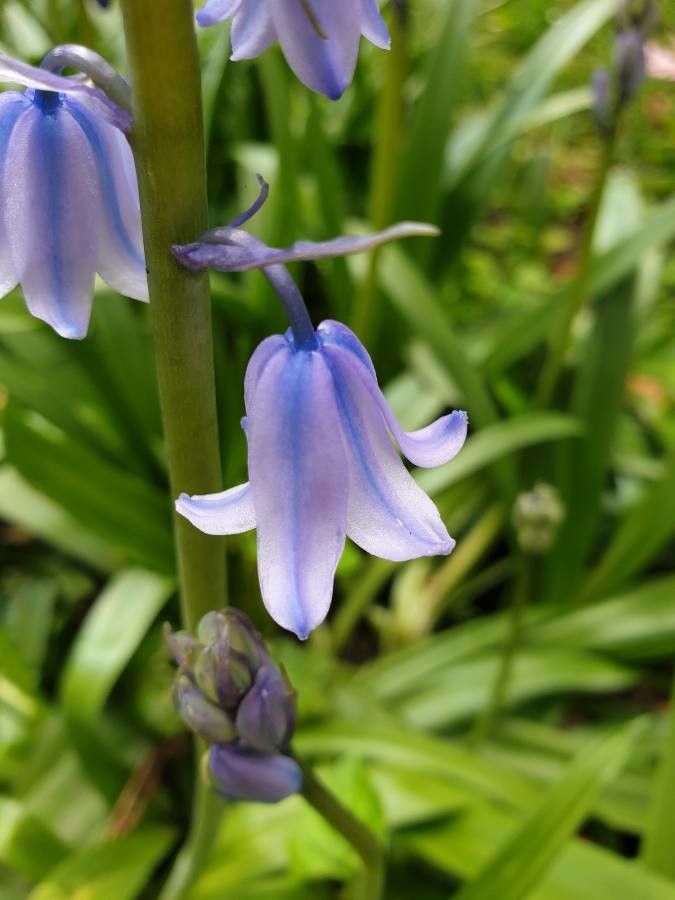
Multiply Your Bells of Spring: Propagating Spanish Bluebells
Spanish bluebells (Hyacinthoides hispanica) are a gardener’s delight, bringing vibrant pops of blue, pink, or white to the spring garden. Their bell-shaped blooms and delicate fragrance add charm to any landscape. If you’re looking to expand your bluebell patch or share these beauties with friends, propagation is easier than you might think. Let’s delve into the two most common methods:
Method 1: Division – Separating for Success
Dividing established clumps is the most common and efficient way to propagate Spanish bluebells. Here’s a step-by-step guide:
- Timing is Key: The best time for division is late summer or early fall, after the leaves have died back but while the soil is still workable.
- Digging In: Carefully lift the entire clump from the ground using a garden fork. Try to get as much of the root system as possible.
- Divide and Conquer: Gently tease apart the bulbs, ensuring each division has healthy roots attached. You can divide them into smaller clumps or individual bulbs.
- Replanting: Choose a location with similar conditions to their previous spot: dappled shade and well-drained soil. Plant the divisions at the same depth they were previously growing, around 4-6 inches deep, and space them about 6 inches apart.
- Water and Wait: Water well after planting and then only when the soil feels dry. Your divided bluebells should bloom beautifully the following spring.
Method 2: From Seed to Bloom: A Long-Term Investment
While slightly more time-consuming, propagating from seed offers a rewarding experience:
- Seed Collection: As your bluebells finish blooming, allow the seed pods to dry on the plant. Once brown and brittle, collect the pods and extract the small, black seeds.
- Sowing the Seeds: You can sow seeds directly into the garden in fall or start them indoors in late winter. Choose a seed starting mix and keep them consistently moist.
- Patience is a Virtue: Germination can take several weeks to months. Once seedlings have developed a few true leaves, they can be transplanted into individual pots or outdoors after the last frost.
- Bloom Time: Be patient, as seed-grown Spanish bluebells may take 2-3 years to flower.
Important Considerations:
- Hybridization Alert: Spanish bluebells readily hybridize with the native English bluebell (Hyacinthoides non-scripta). If you have both types in your garden, the resulting seedlings might have mixed characteristics.
- Sharing is Caring: Propagated bluebells make wonderful gifts! Share divisions with friends and neighbors, spreading the joy of these cheerful blooms.
Propagating Spanish bluebells is a fulfilling way to expand your garden’s beauty while learning about plant life cycles. Whichever method you choose, enjoy the process and anticipate the delightful spring display that awaits!