
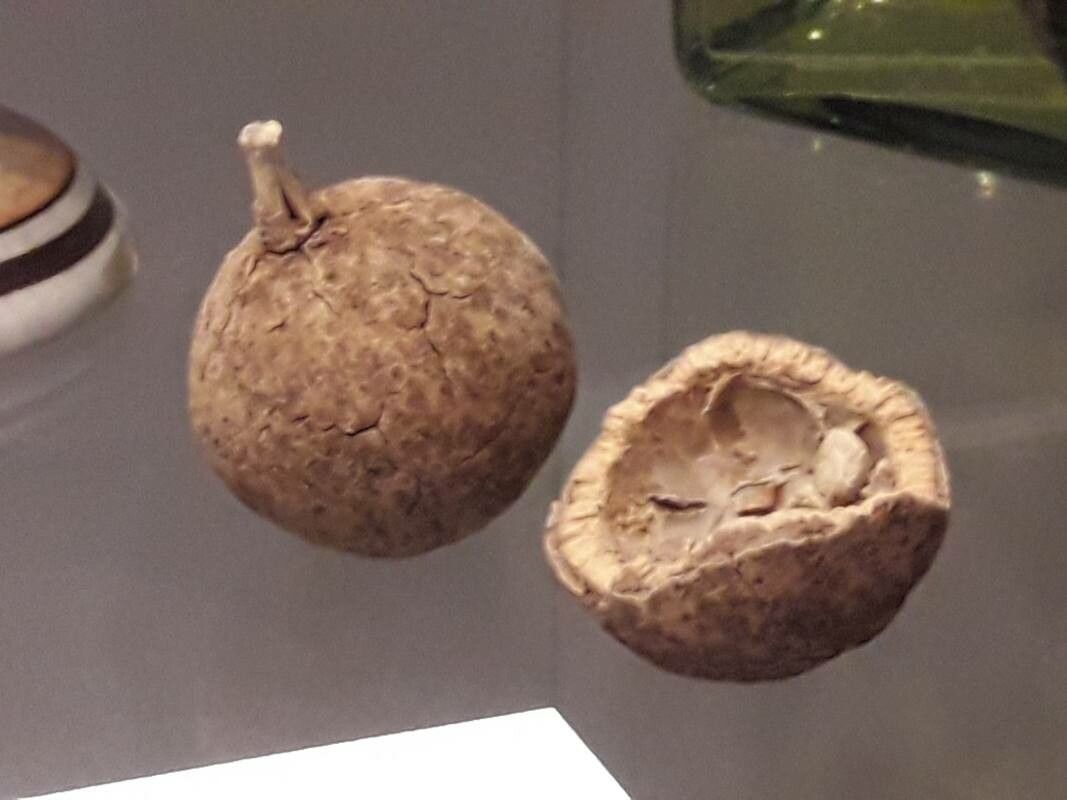
Unlocking the Secrets of Hydnocarpus pentandrus: A Guide to Propagation
Hydnocarpus pentandrus, also known as the Chaulmoogra tree, is a fascinating species with a rich history and potential for diverse applications. From its medicinal uses to its unique botanical characteristics, this tree has captured the attention of researchers and plant enthusiasts alike. One intriguing aspect of Hydnocarpus pentandrus is its propagation, a process that allows us to cultivate new trees and preserve this valuable resource.
Let’s delve into the methods commonly used to propagate Chaulmoogra trees and explore the intricacies involved.
A Glimpse into Chaulmoogra’s Propagation Methods
1. Seeds: A Natural Path to New Life
The most straightforward method of propagation involves using seeds. Chaulmoogra seeds are typically collected from ripe fruits and require pre-treatment before sowing. This may involve scarification, a process that weakens the seed coat to facilitate germination, or soaking the seeds in water to soften them. Once the seed is ready, it’s recommended to sow it in a well-drained potting mix and maintain a warm, humid environment for optimal germination. Expect sprouting to occur within a few weeks to a few months, depending on the specific seed’s age and environmental conditions.
2. Cuttings: A Faster Route to New Plants
For faster growth and a degree of genetic control, stem cuttings are often employed. Select healthy, mature stem segments with at least one node and a few leaves. Remove the lowermost leaves and treat the cut ends with a rooting hormone to encourage root development. Plant the cuttings into a well-draining mix, keeping the environment humid and providing indirect sunlight. Root formation can take several weeks, and the new plants can be transplanted into larger pots or directly into the ground when they become established.
3. Grafting: Marrying Genes for Enhanced Traits
Grafting, a technique involving joining a scion (stem) to a rootstock (root system) of a different plant, offers an exciting approach to propagation. This method can introduce desirable traits from the scion, such as disease resistance or higher yield, onto the rootstock’s strong foundation. Hydnocarpus pentandrus can be grafted onto compatible rootstocks, allowing for controlled propagation and enhanced characteristics in the resulting plants.
4. Air Layering: A Unique Twist for Growth
Air layering, a method known for its ability to produce new plants without disturbing the parent tree, is another viable option for propagating Chaulmoogra. This technique involves girdling a branch of the parent tree and covering the exposed area with a rooting medium. Roots will develop within this medium, and once established, the layered section can be severed from the parent plant and nurtured into a new individual.
Beyond the Basics: Important Considerations
While these are the primary methods for propagating Hydnocarpus pentandrus, success hinges on several factors. Providing the optimal environmental conditions, including appropriate sunlight, temperature, and humidity is crucial. Regular watering and adequate drainage are essential for healthy root development, while fertilization can provide essential nutrients. Additionally, ensuring the planting medium is well-drained and rich in organic matter is key to preventing fungal diseases and promoting vigorous growth.
Cultivating Hydnocarpus pentandrus: A Promise for the Future
Understanding the propagation methods for Hydnocarpus pentandrus opens doors for research and cultivation. This knowledge enables us to readily obtain this valuable species, allowing for further studies into its medicinal properties and potential for sustainable economic development. Whether you’re a seasoned gardener or a curious beginner, delving into the world of Hydnocarpus pentandrus propagation can lead to enriching experiences and contribute to the preservation of this remarkable tree.