
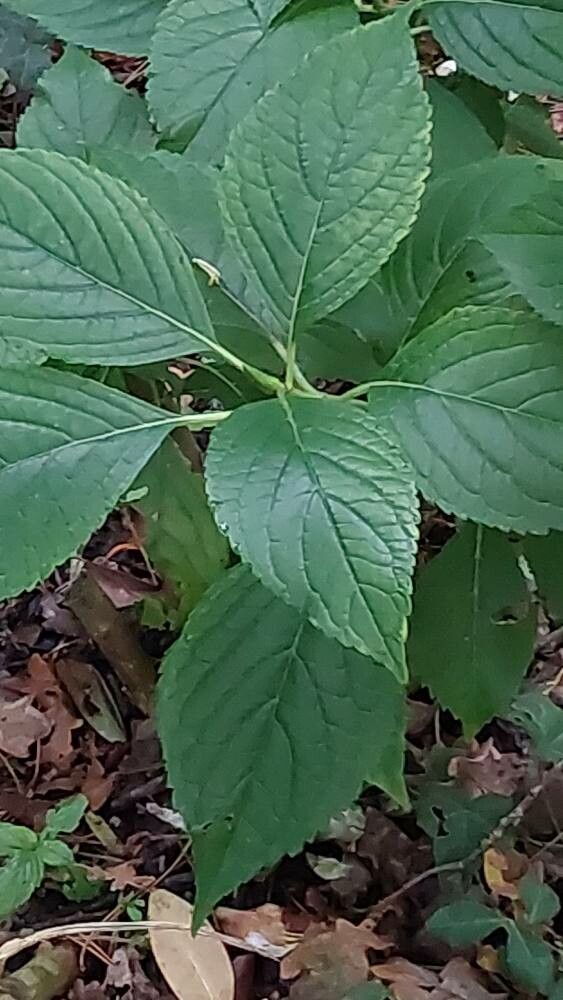
From One to Many: Unlocking the Secrets of Hydrangea Anomala Propagation
The delicate beauty of the climbing hydrangea, Hydrangea anomala, is a sight to behold. Its cascading clusters of creamy white blooms and lush, evergreen foliage create a picturesque scene year-round. But what if you could share this beauty with others, or simply expand your own garden’s offerings? The good news is, propagating Hydrangea anomala is easier than you might think!
This article will delve into the fascinating world of hydrangea propagation, offering a roadmap for successful propagation, whether you’re a seasoned green thumb or just starting your gardening journey.
Why Propagate?
There are several compelling reasons to try your hand at propagation:
- Economical: Starting your own hydrangea plants from cuttings or seeds can save you significant money compared to buying them at a nursery.
- Personalized Collection: Propagation allows you to create a personalized collection of hydrangeas, selecting your favorite varieties and ensuring consistency in your garden aesthetic.
- Sharing the Joy: Sharing your propagated hydrangeas with friends, family, or even neighbors can bring joy and beauty to others’ gardens.
Methods of Propagation:
Cuttings: The most common and successful method for propagating Hydrangea anomala is through semi-hardwood cuttings. This involves taking cuttings from the current season’s growth during the late summer or early fall. Here’s the process:
- Timing: Cuttings should be taken when the new growth has hardened but is still flexible, typically from August to October.
- Selection: Choose healthy, disease-free stems with well-developed nodes (where leaves grow).
- Cutting Technique: Make a clean cut just below a node, angling the cut at a 45-degree angle. Remove leaves below the soil line.
- Hormone Application: Dip the cut end of the stem in rooting hormone powder for enhanced root development.
- Planting Medium: Plant your cuttings in a moist, well-draining potting mix and keep them warm and humid.
- Care: Maintain a high level of humidity, avoid direct sunlight, and regularly water your cuttings.
Air Layering: A slightly more advanced technique, air layering offers great success with Hydrangea anomala. Here’s how to do it:
- Preparation: Select a healthy stem on the plant.
- Incision and Stimulation: Gently score a section of the stem (about 1 inch long) and apply rooting hormone. Wrap the scored area in damp sphagnum moss, securing it with plastic wrap.
- Root Development: After a few months, roots will emerge from the wrapped area.
- Separation: When the roots are sufficiently developed, cut the stem just below the wrapped area and plant the new plant in a pot or in the ground.
- Seeds: Although less common, Hydrangea anomala can be propagated from seed. This method requires more time and effort, but it’s a good option for those seeking a challenge.
Factors for Success:
- Timing: The timing of propagation is crucial for success. Taking cuttings during the right period ensures proper hormone balance and increases the chances of root development.
- Watering: Maintaining consistently moist, but not soggy, conditions is essential for rooting cuttings and air layers.
- Humidity: High humidity promotes root growth. Consider covering your cuttings with a clear plastic dome or bag to create a mini-greenhouse effect.
- Light: Provide filtered light or shade for your cuttings and air layers, avoiding direct sunlight.
Final Thoughts:
By following these guidelines, you can successfully propagate your treasured Hydrangea anomala and share its beauty with the world. Remember, patience and consistent care are key. With a little effort, you can witness the magic of propagation—a testament to the captivating nature of the plant world. Happy propagating!