
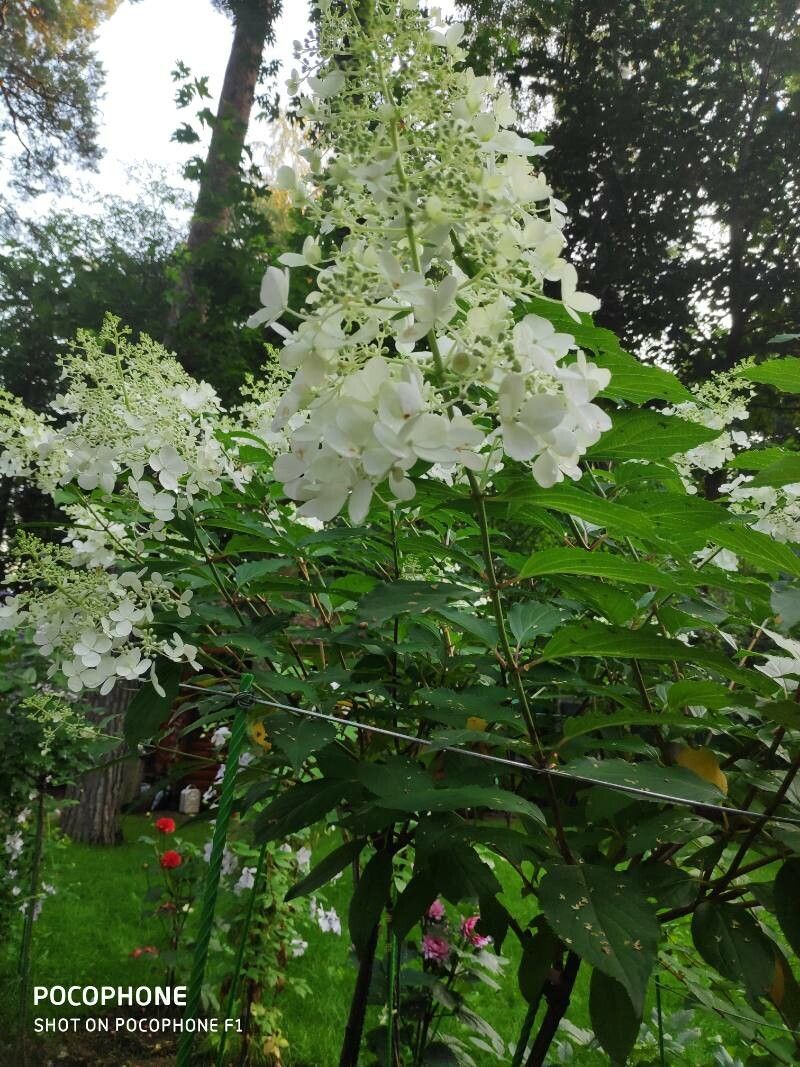
From One to Many: Propagating Your Hydrangea Macrophylla for a Blooming Oasis
Hydrangeas, with their lush foliage and vibrant blooms, are a beloved addition to any garden. But wouldn’t it be amazing to expand your hydrangea collection and share the beauty with friends and family? That’s where propagation comes in! This blog post focuses on how to propagate the Hydrangea macrophylla, the beloved bigleaf hydrangea, using proven techniques.
Why Propagate Your Hydrangeas?
- Cost-Effective: Start your own new hydrangea plants without spending a fortune on nursery-bought ones.
- Variety Control: Preserve the specific color and characteristics of your favorite hydrangea cultivars.
- Sharing the Love: Propagate your hydrangeas to gift to loved ones or trade with fellow gardeners.
Methods for Propagating Hydrangea macrophylla:
1. Softwood Cuttings (Spring/Early Summer):
- Gather Cuttings: Choose healthy, young stems with new growth, about 4-6 inches long. Cut just below a node (where leaves emerge).
- Prepare the Cuttings: Remove the lower leaves, leaving 2-3 pairs at the top.
- Root Hormone: Dip the cut end of the stem in rooting hormone powder.
- Planting: Insert the cuttings into a pot filled with a moist, well-draining potting mix. Ensure they are placed deep enough for the leaves to be above the soil line.
- Care: Keep the cuttings moist and in a shady location until roots develop (usually within 4-6 weeks).
- Transplant: Once the cuttings have developed a good root system, you can slowly acclimate them to full sun and transplant them into your garden.
2. Semi-Hardwood Cuttings (Late Summer/Early Fall):
- Gather Cuttings: Similar to softwood cuttings, yet use stems that are slightly more mature with firmer growth.
- Preparation: Follow the same steps as with softwood cuttings.
- Rooting: These cuttings may take longer to root than softwood cuttings.
- Transplant: Once the cuttings have established a strong root system, you can transplant them as with softwood cuttings.
3. Layering (Spring/Summer):
- Choose a Branch: Select a healthy lower branch from your hydrangea bush.
- Cut & Bend: Make a small cut on the underside of the branch and bend it close to the ground.
- Secure: Pin the branch with a wire or rock to keep it in contact with the soil.
- Wait: Keep the soil moist, and within a few months, the branch should develop roots at the cut.
- Separate: Once the rooted branch has grown, gently detach it from the mother plant and transplant it into a new location.
Tips for Success:
- Use Sharp Tools: Clean and sharp pruning shears or a knife help make clean cuts minimizing damage to your plants.
- Clean Soil: Use sterile potting mix to prevent fungal diseases.
- High Humidity: Provide a humid environment for your cuttings by covering them with a clear plastic dome or bag.
- Watering: Maintain a consistently moist soil environment.
- Patience: Propagation takes time and patience. Don’t get discouraged if it doesn’t happen overnight.
Celebrate Your Success!
Propagating Hydrangea macrophylla is a rewarding experience. You are creating your own unique hydrangeas and watching them flourish. Share your newly propagated hydrangeas with friends and family, or simply add a vibrant splash of color to your own garden. Soon you’ll be surrounded by a bountiful haven of blooming hydrangeas – all thanks to your propagation prowess!