
Unlocking the Secrets of Virginia Waterleaf Propagation: A Guide to Success
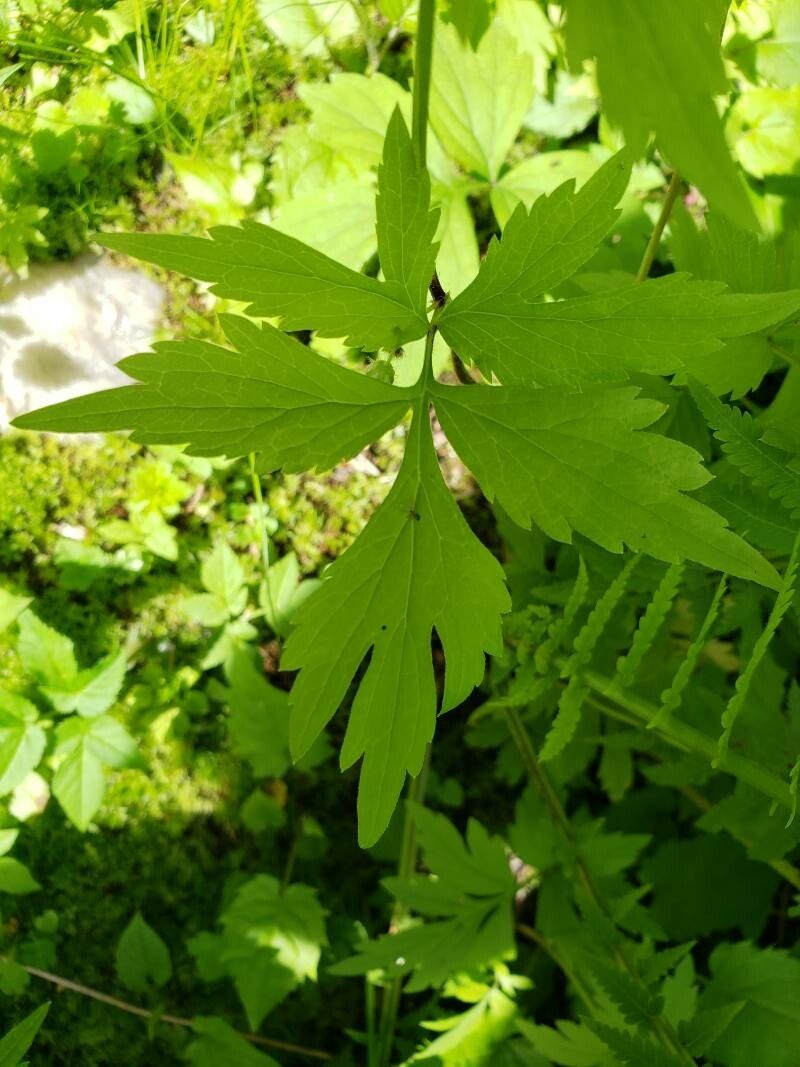
The Virginia Waterleaf (Hydrophyllum virginianum) is a woodland wildflower with a quiet charm. Delicate clusters of lavender-blue blossoms dangle amidst its uniquely-shaped, deeply-lobed foliage, adding a touch of whimsical beauty to shaded gardens. While readily available from specialized nurseries, propagating your own Virginia Waterleaf is a rewarding experience that allows you to expand your flower patch and share the joy of this native plant with others.
This guide unveils the secrets to successfully propagating Virginia Waterleaf, giving you the tools to become a confident plant parent to this enchanting species:
Methods of Propagation:
- Seed Propagation: The most common method for propagating Virginia Waterleaf is through seeds. Here’s how:
- Seed Collection: Collect ripe seed capsules in late summer or early fall. The capsules turn brown and papery when ready.
- Direct Sowing: For best results, sow seeds directly outdoors in the fall. Choose a location with well-drained soil and partial to full shade. Simply scatter the seeds on the surface and lightly rake them in.
- Indoor Sowing: If starting seeds indoors, sow them approximately 6-8 weeks before the last expected frost. Use a seed-starting mix and keep the soil consistently moist. Transplant the seedlings outdoors after the last frost, ensuring they have been properly hardened off.
- Division: Virginia Waterleaf readily spreads via underground rhizomes. This means you can divide established clumps to create new plants.
- Timing: The ideal time for division is early spring or fall.
- Process: Carefully dig up a mature plant, ensuring you get a good portion of the root system. Gently separate the rhizomes using your hands or a sharp, clean knife. Each division should have a healthy amount of roots and shoots. Replant the divisions immediately, water thoroughly, and provide shade during the initial establishment phase.
Tips for Success:
- Soil: Virginia Waterleaf thrives in moist, humus-rich soil. Amending the planting site with compost will greatly improve drainage and fertility.
- Light: While tolerant of full shade, Virginia Waterleaf will produce more flowers with at least 4 hours of dappled sunlight.
- Water: Consistent moisture is key, especially during the first year after planting. Water deeply and regularly, particularly during dry periods.
- Pests and Diseases: Virginia Waterleaf is generally pest-free. However, slugs and snails can be occasional nuisances. Using diatomaceous earth around the plants can deter these unwanted visitors.
Beyond the Basics:
- Enhancing Germination: Enhance seed germination rates by cold-stratifying them. This involves storing the seeds in a moist paper towel in the refrigerator for 4-6 weeks before sowing.
- Sharing the Bounty: Propagating Virginia Waterleaf is a great way to share your love of native plants. Offer divisions to fellow gardeners or donate extras to local plant sales and swaps.
By following these propagation techniques, you can welcome the captivating beauty of Virginia Waterleaf to your garden and help this charming native plant thrive for generations to come.