
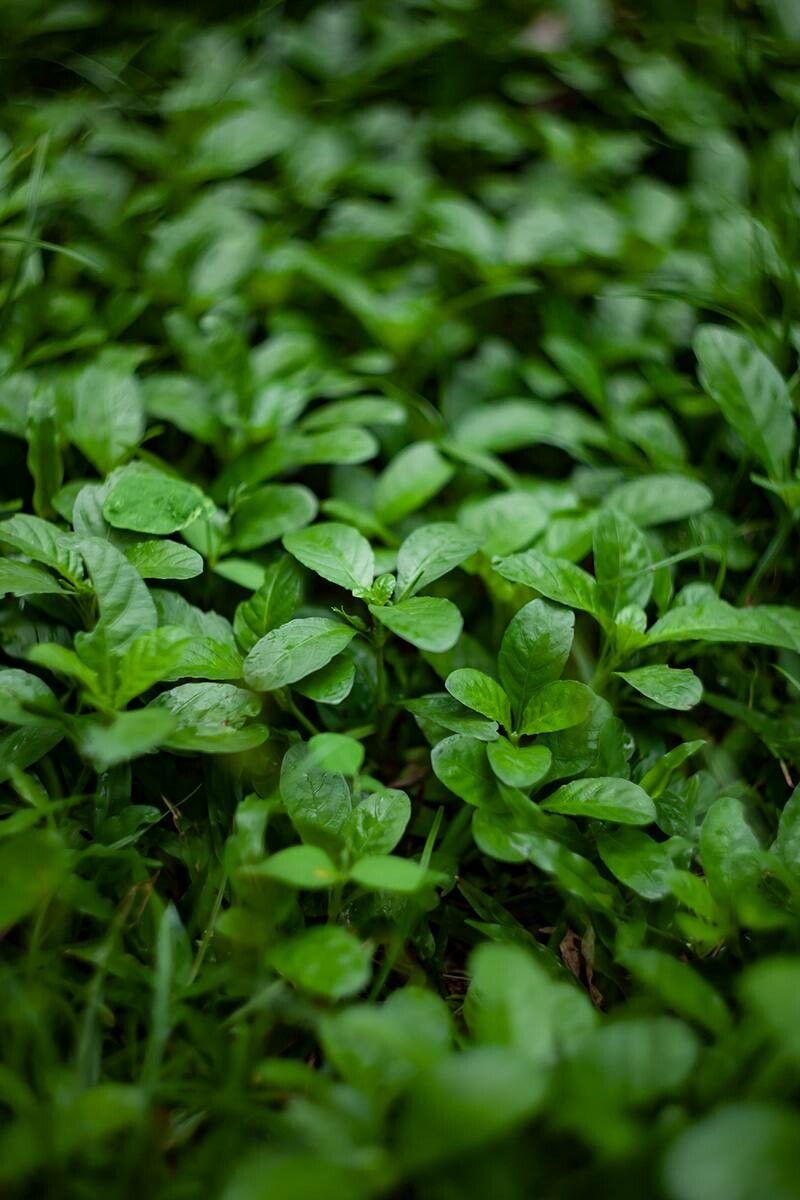
Grow Your Own Lush Jungle: Propagating Hygrophila ringens (The Easy Way!)
Ever dreamt of having a thriving, lush aquarium filled with vibrant greenery? Look no further than Hygrophila ringens, a popular aquatic plant known for its striking emerald leaves and graceful, upright growth habit. The best part? It’s incredibly easy to propagate, meaning you can create a whole underwater forest from just a few cuttings.
Why Propagate Hygrophila ringens?
Beyond its aesthetic appeal, propagating Hygrophila ringens offers several advantages:
- Cost-effective: Rather than constantly purchasing new plants, you can easily multiply your stock with a little effort.
- Healthy growth: Freshly propagated plants often exhibit vigorous growth, contributing to a vibrant aquarium ecosystem.
- Easy maintenance: The process is simple and requires minimal resources.
- Versatile: Hygrophila ringens can be propagated in various ways, allowing you to choose the method that best suits your setup.
The Two Main Propagation Methods
Stem Cuttings: This is the most common and easiest method. Simply cut a healthy stem, removing the leaves from the lower 2-3 inches. This section should have at least 4 nodes, which are the points where leaves grow. Plant this cutting directly into the substrate, ensuring the nodes are buried slightly below the surface. After a few weeks, you’ll see new roots and shoots emerging from the nodes, marking a successful propagation.
- Lateral Shoots: Hygrophila ringens often produces lateral shoots, which are new stems growing horizontally along the main stem. Gently separate these shoots from the main plant, ensuring they have a small piece of the parent stem attached. Similar to stem cuttings, plant them in your aquarium substrate and watch them develop into independent plants.
Essential Tips for Success
- Sharp Tools: To avoid damaging the plant, use clean and sharp scissors or pruning shears.
- Water Quality: Ensure your aquarium water has appropriate parameters, such as pH and temperature, for optimal propagation.
- Lighting: Provide ample lighting – at least 2-3 watts per gallon – for vigorous growth.
- Substrate: Choose a substrate that provides a good grip for the roots, such as gravel or sand.
- Patience: It takes time for the cuttings to root, but with proper care, you’ll soon have a thriving jungle of Hygrophila ringens.
Beyond the Basics:
Got some extra Hygrophila ringens? Consider experimenting with these variations:
- Floating propagation: Place the cuttings in a container of water with sufficient lighting. The leaves will absorb nutrients and grow roots, allowing the plant to become established even without substrate.
- Land propagation: With a bit of luck, you can even propagate Hygrophila ringens in a pot of moist soil. This can be a fun way to experiment with this versatile plant.
Final Thoughts
Propagating Hygrophila ringens is a simple and rewarding activity. With minimal effort and the right conditions, you can transform your aquarium into a lush, thriving underwater paradise. So, grab some cuttings, get your hands dirty, and watch your green oasis flourish. You’ll be amazed by the beauty and ease of propagating this stunning aquatic plant!