
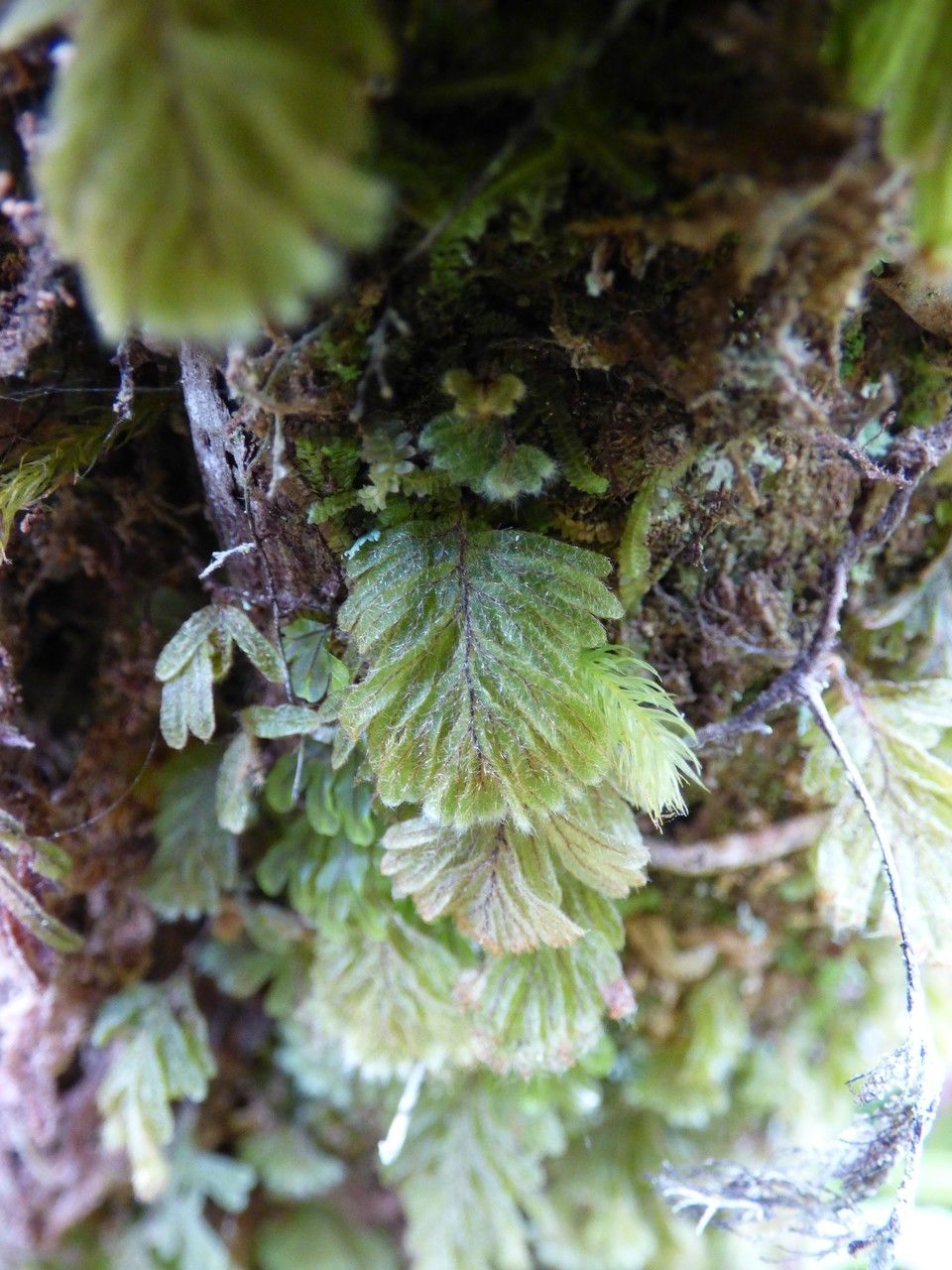
Unraveling the Secrets of Fairy Hair: Propagating Hymenophyllum capillare
The delicate, thread-like fronds of Hymenophyllum capillare, commonly known as Fairy Hair, are a sight to behold. This enchanting fern, native to humid forests, is sought after by plant enthusiasts for its ethereal beauty and challenging nature. But did you know that you can actually propagate Fairy Hair and share its magic with others? Join us as we delve into the fascinating world of propagating this enigmatic fern.
Why Propagate Fairy Hair?
Fairy Hair is a slow-growing plant, and finding it for sale can be difficult. Propagation offers a way to expand your collection, share the joy of this unique fern with others, or simply ensure you have backup in case your original plant experiences any setbacks.
The Methods: Spores vs. Divisions
There are two primary methods for propagating Fairy Hair:
- Spore Propagation: This method mimics the plant’s natural reproduction process. Fairy Hair produces spores, which are microscopic and require specific conditions to germinate. This method is suitable for experienced growers, as it’s delicate and requires patience.
- Division: This method involves gently separating a portion of the fern’s rhizome, which contains the root system. It’s a simpler technique but can be more challenging for beginners, as Fairy Hair’s delicate fronds can easily break.
Let’s Dive into Spore Propagation:
- Spore Collection: Carefully remove a mature frond and gently scrape the underside to collect the spores.
- Sterilization: Sterilize the spore culture vessel and substrate (a mixture of peat moss and vermiculite) using an autoclave or by boiling water in a microwave for 5 minutes.
- Sowing: Sprinkle the collected spores evenly on the sterilized substrate, then cover the culture vessel with a clear lid or plastic wrap.
- Environmental Conditions: Maintain high humidity (above 80%) and constant temperatures (around 65-75°F). Provide indirect sunlight, avoiding direct harsh rays. Mist the substrate regularly to maintain moisture.
- Germination: This is the most crucial part. Germination can take several weeks to months, and patience is key. Avoid over-watering, as this can rot the spores.
Tips for Success:
- Experimentation: Don’t be afraid to play with different spore-sowing methods and environments to find what works best for you.
- Cleanliness: Maintain a sterile environment to prevent fungal infections.
- Patience: Patience is paramount in spore propagation. Don’t give up easily.
Dividing Fairy Hair:
- Choose a healthy plant: Select a Fairy Hair with a well-established rhizome.
- Gently dislodge: Carefully loosen the plant from its pot, taking care not to damage the delicate fronds.
- Divide the rhizome: Using a clean, sharp knife or scissors, divide the rhizome into sections, ensuring each section has healthy roots and at least one frond.
- Repotting: Plant the divisions in a suitable environment, mimicking the original plant’s conditions.
Aftercare:
Regardless of the method, after propagation, ensure the new Fairy Hair plants are kept in a humid environment with indirect sunlight. Mist regularly, but avoid over-watering, as this can lead to root rot.
Conclusion:
Propagating Hymenophyllum capillare, while challenging, is a rewarding experience. Witnessing the intricate process of spore germination or the growth of a new plant from division offers a unique and rewarding glimpse into the fascinating world of botany. With patience, care, and the right environment, you can bring the ethereal beauty of Fairy Hair into your home and share it with others.