
Unveiling the Secrets of Fairy Fern Propagation: A Guide to Growing Hymenophyllum francii
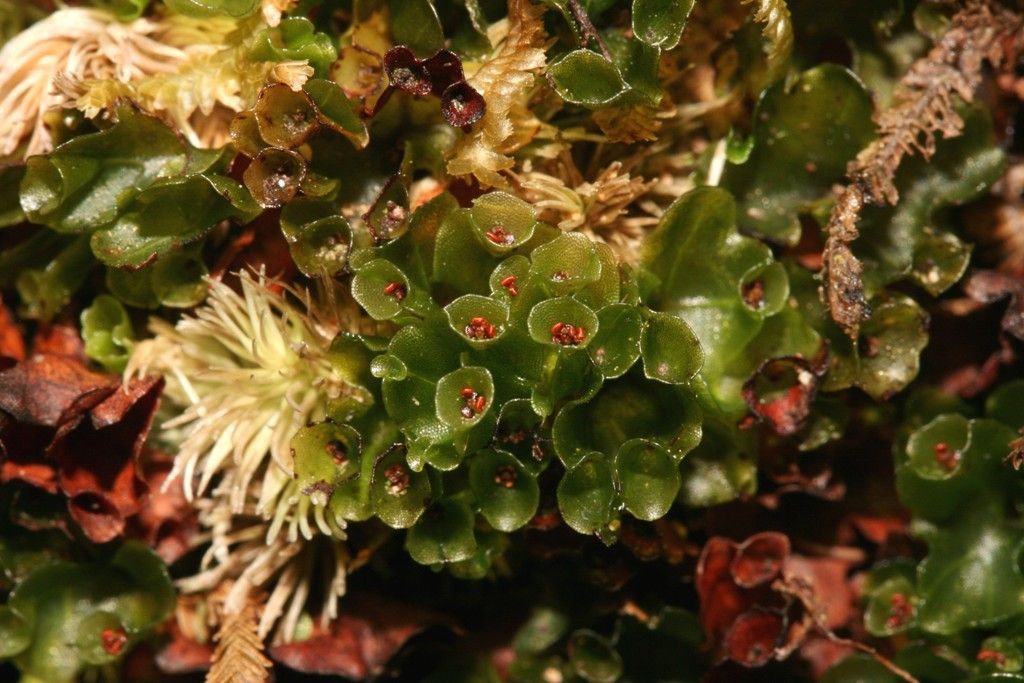
Hymenophyllum francii, also known as the Fairy Fern, is a captivating plant that evokes a sense of magic and wonder. Its delicate fronds, resembling lacework, dance in the air, creating an enchanting atmosphere in any indoor space. But did you know that bringing this ethereal beauty into your home is within reach?
This blog post will delve into the intriguing world of Fairy Fern propagation, detailing simple and effective methods that allow you to grow your own miniature forest of these captivating ferns.
Understanding the Basics:
Hymenophyllum francii thrives in humid environments, typically found in damp, shady forests. This suggests that their propagation requires specific conditions to succeed. The primary method for propagating these ferns is through spore propagation, a process that mirrors the natural lifecycle of these plants. Here’s a breakdown:
The Captivating Journey of Spore Propagation:
Sourcing Spore: Locate a mature Fairy Fern possessing sori – the tiny brown or black spots on the underside of the fronds where spores develop. Gently scrape these sori onto a clean surface to collect the microscopic spores.
Preparing the Growing Medium: Opt for a lightweight, well-draining substrate like a mixture of sphagnum moss and perlite. Alternatively, a blend of peat moss and vermiculite will also work. This mix provides a balance of moisture retention and air circulation, crucial for spore germination.
The Magic Begins: Sterilize your container and growing medium to prevent fungal contamination. Lightly dampen the substrate and sprinkle the spores evenly across its surface. Cover the container with a clear plastic wrap or lid to create a humid environment.
Patiently Await the Transformation: This is where patience is key. Place the container in a bright, indirect light location, away from direct sunlight. Maintain a consistently humid environment within the container, misting regularly and ensuring the substrate remains moist.
The First Signs of Life: In a few weeks to several months, tiny green prothallia will emerge, marking the beginning of a new Fairy Fern lifecycle. These prothallia are heart-shaped structures that eventually develop into gametophytes, producing both male and female reproductive organs.
- Fertilization and the Birth of a New Fern: After fertilization, tiny, fern-like plants will sprout from the prothallia. Once these young ferns develop a few fronds, they can be carefully transplanted into individual pots.
Patience and Perseverance:
While spore propagation might sound complex, it is a rewarding experience that allows you to witness the fascinating life cycle of the Fairy Fern. Be patient, and you will be rewarded with an enchanting miniature forest of these delicate beauties.
Tips for Success:
- Maintain high humidity: Fairy Ferns thrive in humid environments. Mist regularly, and consider using a humidity tray to create a moist microclimate.
- Protect from direct sunlight: These ferns prefer bright, indirect light. Too much sun can scorch their delicate fronds.
- Use filtered water: Chlorine and minerals in tap water can harm Fairy Ferns. Use filtered water or rainwater for watering and misting.
- Provide adequate ventilation: While humidity is essential, ensure good airflow to prevent fungal growth.
Sharing the Magic:
Once your Fairy Ferns have matured, consider sharing your knowledge and passion with others. Propagating them from spores is an excellent way to introduce friends and family to the captivating world of these enchanting plants.
By understanding the nuances of spore propagation, you can embark on an enriching journey of cultivating the delicate beauty of Hymenophyllum francii. With patience, care, and a hint of magic, you can bring the ethereal elegance of the Fairy Fern into your home, creating a sanctuary of enchanting beauty and wonder.