
Unraveling the Secrets of the Filmy Fern: Propagation of Hymenophyllum nephrophyllum
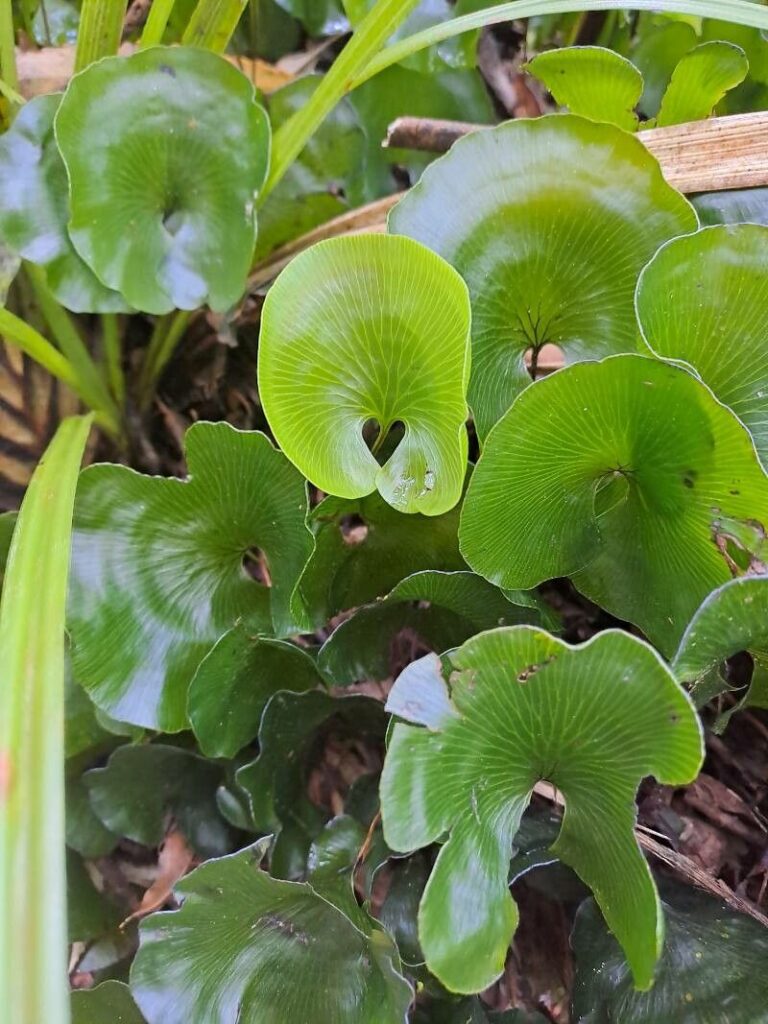
The filmy fern, Hymenophyllum nephrophyllum, with its delicate, almost translucent fronds, is a captivating sight. This enchanting plant thrives in moist, shaded environments, often adorning mossy rocks and damp forests. But beyond its beauty lies a fascinating aspect: propagation.
Propagating Hymenophyllum nephrophyllum isn’t as straightforward as some other plants. Its unique characteristics demand special attention and techniques. This post unlocks the secrets of this intriguing process, guiding you through the journey of creating new generations of this captivating fern.
The Spore Game: A Journey from Spore to Fern
Unlike many plants that rely on cuttings or division, Hymenophyllum nephrophyllum primarily propagates through spores. These minuscule particles hold the potential to develop into a complete plant, much like seeds.
1) Harvesting Spores: The first step involves collecting mature spores from the undersides of the fern’s fronds. Look for a dark, dusty-like substance clustered in small, brown or black structures called sporangia.
2) Sowing the Spores: Next, a suitable base is required. A well-drained mix of peat moss and sterilized sand provides a hospitable environment for the spores to germinate. Sow the spores evenly on the surface of the moist mix, ensuring a consistent environment without disturbing the delicate spores.
3) The Wait: Patience is key during this stage. The spores need a warm, humid, and dimly lit environment to germinate. Maintaining constant humidity, ideally between 75-85%, is crucial. This can be achieved by covering the pot with plastic wrap or placing it inside a humid terrarium.
4) The Arrival of the Prothallium: After a few weeks, a remarkable transformation begins. Tiny, heart-shaped structures called prothallia emerge. These are the intermediate stage in the fern’s life cycle, responsible for producing both male and female gametes.
5) Fusion and the Young Fern: Water is crucial for the male gametes to reach the female gametes. This fusion, known as fertilization, creates a zygote. This zygote develops into a new sporophyte, the familiar fern plant we recognize.
6) The Journey Continues: The young ferns require continued humidity and shade for several months as they establish themselves. Patience and careful monitoring are essential during this delicate stage.
The Challenge of Success:
While the process of propagating Hymenophyllum nephrophyllum might seem complex, it’s undeniably rewarding. However, patience is a must. The initial stages can be slow and require careful monitoring. Humidity control is essential to prevent drying out, and a constant source of humidity is crucial for success.
Beyond Seeds:
While propagating Hymenophyllum nephrophyllum through spores is the most common method, it’s worth noting that cuttings from mature fronds can sometimes be successful, though it’s a more delicate process.
In Conclusion:
The journey of propagating Hymenophyllum nephrophyllum is an adventure in itself, reminiscent of a delicate dance between patience and precision. The rewards, however, are immeasurable, allowing you to not only appreciate the beauty of this captivating fern but also witness the fascinating life cycle of a plant that thrives in the delicate balance of moisture and light.