
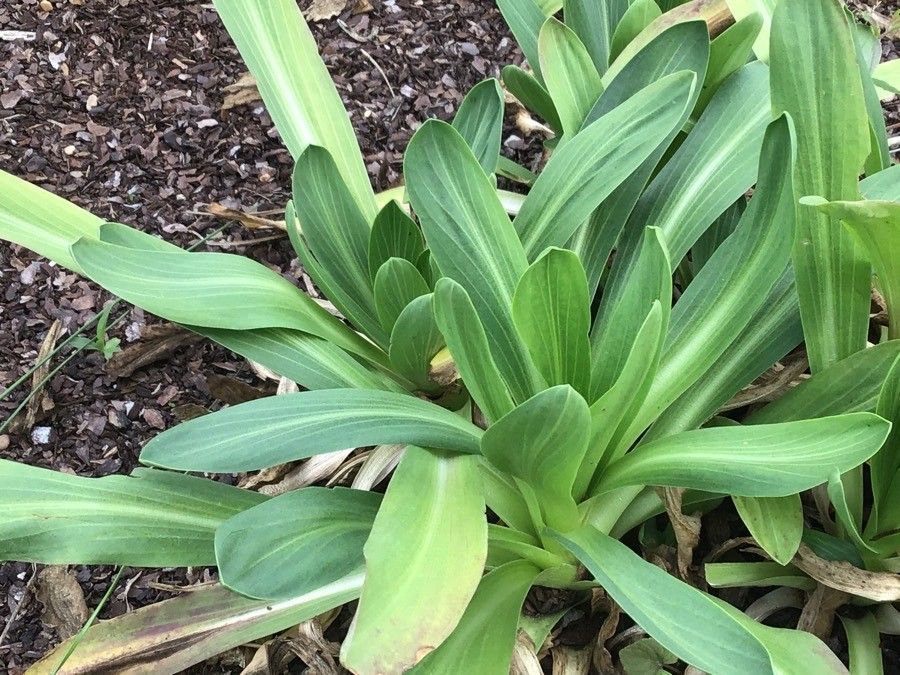
Unlocking the Secrets of Growing Orange Sneezeweed (Hymenoxys hoopesii)
Orange Sneezeweed (Hymenoxys hoopesii), despite its unfortunate name, is a captivating wildflower known for its vibrant orange daisy-like blooms that grace meadows and mountainsides. Bringing this splash of color to your garden, however, requires a little understanding of its propagation methods. Don’t let the scientific name scare you; we’ll demystify the process of growing these beauties, whether you prefer to start from seed or divisions.
The Seed Route: A Test of Patience
Cultivating Orange Sneezeweed from seed is a rewarding experience, though it demands a touch of patience. Here’s how to embark on this journey:
Seed Collection: If you’re lucky enough to live near a patch of these wildflowers, collect the seeds in late summer or early fall. Look for the characteristic dry seed heads and carefully gather the seeds within.
Cold Stratification: Nature’s Way of Waking Up
Orange Sneezeweed seeds benefit from cold stratification, mimicking their natural winter dormancy. In fall, sow seeds directly in your garden or in seed trays filled with well-draining soil. Lightly cover the seeds. For spring sowing, mimic winter by storing your seeds in moist vermiculite in your refrigerator for 6-8 weeks before planting.Patience is Key: Germination can be slow and sporadic, taking anywhere from a few weeks to a couple of months. Be patient and don’t give up hope!
- Transplanting Time: Once seedlings have developed a few sets of true leaves, they can be transplanted outdoors after the last frost. Choose a location that receives ample sunlight and has well-drained soil.
Division: The Fast Track to Flowers
For quicker blooms and larger plants, division is the way to go. Here’s how to propagate Orange Sneezeweed through division:
Timing is Everything: Divide established plants in early spring or fall when the weather is cool and the soil is moist.
Divide and Conquer: Carefully dig up the plant, ensuring you get a good root ball. Using a sharp knife or garden spade, divide the root ball into sections, each containing a healthy amount of roots and shoots.
- Replant and Rejoice: Replant your divisions at the same depth they were originally growing, water thoroughly, and enjoy watching your new plants flourish!
Caring for Your Orange Gems
Once established, Orange Sneezeweed is relatively low-maintenance. They prefer full sun to light shade and well-drained soil. Water regularly during the first growing season to help them establish, but be sure to avoid overwatering. Deadhead spent blooms to encourage more flowering and prevent unwanted self-seeding.
A Word of Caution: While the flowers are stunning, be mindful that Orange Sneezeweed, like other members of the Aster family, can cause skin irritation and allergies in sensitive individuals. Always wear gloves when handling them.
With a little effort, you can enjoy the cheerful beauty of Orange Sneezeweed in your own backyard. Whether you choose the patience of seed propagation or the speed of division, following these simple tips will help you unlock the secrets to growing these captivating wildflowers.