
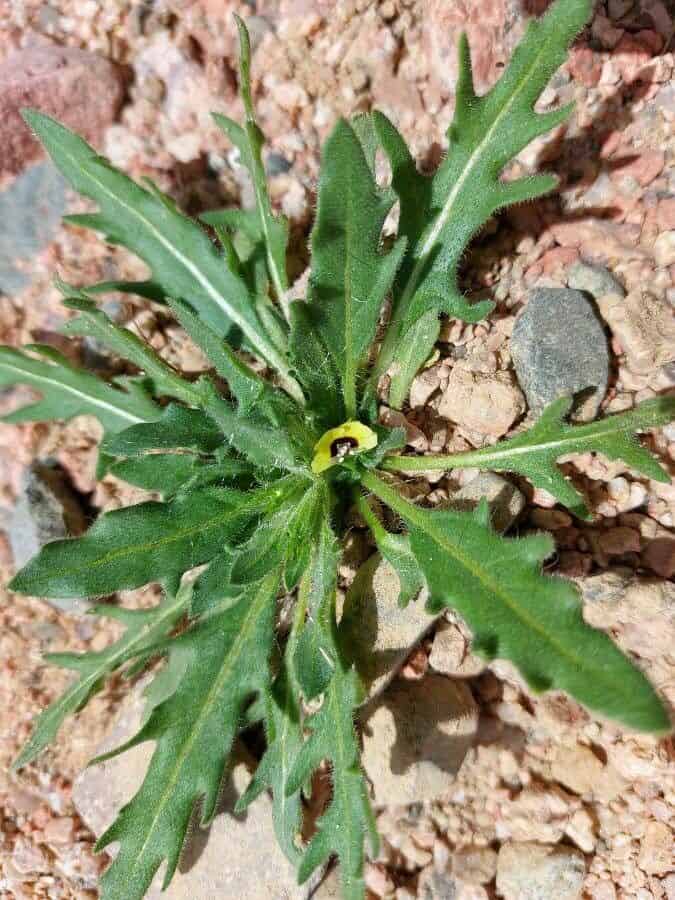
Taming the Tiny Toxic: Propagating the Curious Case of Hyoscyamus pusillus
The plant world is a fascinating tapestry woven with threads of beauty, danger, and everything in between. Today, we delve into the intriguing realm of propagating Hyoscyamus pusillus, a plant that demands respect for its potent properties and careful consideration in its cultivation.
A Miniature with a Mighty Reputation:
Don’t be fooled by its diminutive size; Hyoscyamus pusillus, also known as the dwarf henbane, holds a powerful punch within its delicate frame. This annual herb, hailing from the Mediterranean and parts of Asia, is a member of the Solanaceae family, placing it in the company of tomatoes and potatoes. However, unlike its edible cousins, Hyoscyamus pusillus is highly toxic due to the presence of potent alkaloids like hyoscyamine and scopolamine. These compounds, while dangerous in untrained hands, have been historically utilized in traditional medicine for their analgesic and sedative effects.
Proceed with Caution, Propagate with Care:
Given its toxicity, cultivating Hyoscyamus pusillus is not for the casual gardener. It requires a deep understanding of the plant’s nature and stringent safety measures at every step. Propagation, the art of creating new plants, is best approached with a focus on seed starting:
1. Sourcing the Seeds:
- Reputable Sources: Acquire seeds only from reliable suppliers specializing in ethnobotanical or medicinal plants. This ensures proper identification and minimizes the risk of mislabeled or adulterated seeds.
2. Sowing the Seeds:
- Well-Draining Medium: Use a seed starting mix that promotes good drainage, preventing waterlogging that can lead to rot.
- Surface Sowing: Sprinkle the seeds on the surface of the soil, pressing them lightly without burying them. Hyoscyamus pusillus seeds require light to germinate.
- Warmth and Moisture: Maintain a consistent temperature of around 20-25°C (68-77°F) and keep the soil consistently moist but not waterlogged.
- Patience: Germination can be erratic, taking anywhere from a few weeks to a couple of months. Maintain a consistent environment and don’t give up!
3. Transplanting with Care:
- Individual Pots: Once seedlings develop their first true leaves, transplant them carefully into individual pots with a well-draining potting mix.
- Gradual Hardening: Before moving outdoors, gradually acclimate the seedlings to direct sunlight and outdoor conditions to prevent shock.
- Strategic Placement: Choose a location with full sun to partial shade and well-drained soil for optimal growth.
A Word of Warning:
While fascinating, cultivating Hyoscyamus pusillus is not for everyone. Its toxicity demands cautious handling, wearing gloves and protective clothing throughout the process. Keep children and pets away from the plant at all times.
Beyond the Garden:
The allure of Hyoscyamus pusillus lies not just in its delicate beauty but also in its historical significance and potent properties. While its cultivation requires caution and respect, understanding its story provides a glimpse into the fascinating interplay between humans and plants, reminding us of the delicate balance between benefit and risk that nature often presents.