
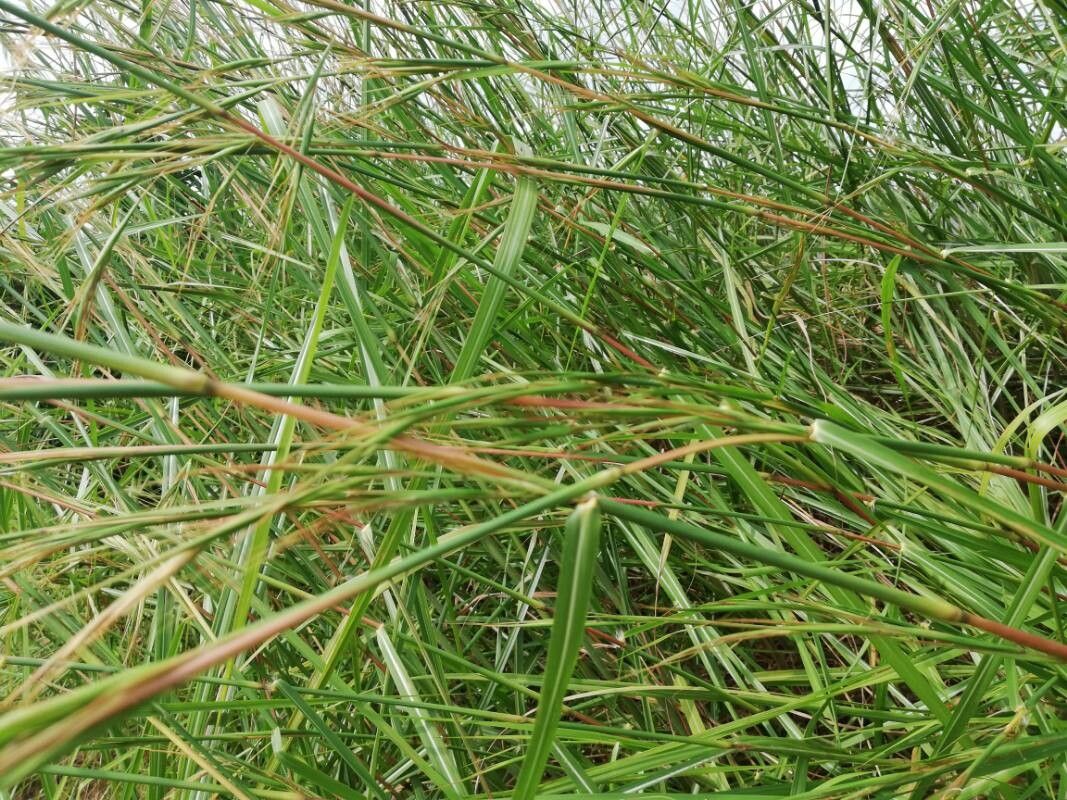
Unlocking the Secrets of Propagation: How to Grow More Hyparrhenia diplandra
Hyparrhenia diplandra, also known as Jaragua grass, is a remarkable tropical grass prized for its elegant beauty and versatility. While it’s often celebrated for its role in erosion control and livestock feed, did you know that propagating this resilient grass is surprisingly easy? Whether you’re a seasoned gardener or a green thumb in the making, this guide will unveil the secrets to successfully multiplying your Hyparrhenia diplandra.
Two Paths to Propagation:
Hyparrhenia diplandra, like many grasses, offers two primary methods of propagation:
1. Seed Propagation:
This method, while requiring a bit more patience, allows you to start from scratch and witness the entire life cycle of your grass.
- Source your seeds: Obtain seeds from reputable online retailers or local nurseries specializing in grasses.
- Prepare for sowing: Sow seeds in late spring or early summer when the soil is warm. Choose a well-drained seed starting mix or a combination of peat moss and perlite.
- Sowing the seeds: Lightly sprinkle the seeds on the surface of your prepared mix, ensuring they are evenly spaced. Do not bury them deep, as they require light to germinate.
- Water diligently: Keep the soil consistently moist but not waterlogged. A spray bottle is ideal for this purpose, preventing the seeds from being dislodged.
- Germination period: Germination typically takes 1-2 weeks. Be patient and continue providing moisture and warmth.
- Transplanting seedlings: Once the seedlings have developed a few sets of true leaves (around 3-4 inches tall), transplant them into individual pots or your desired outdoor location.
2. Division:
For a quicker and more established start, division is an excellent option, especially if you already have a Hyparrhenia diplandra plant.
- Timing is key: The best time to divide is in spring or early summer when the plant is actively growing.
- Prepare your plant: Water the plant thoroughly a day or two before dividing to minimize stress.
- Dividing the clumps: Carefully dig up the plant, ensuring you get a good portion of the root system. Using a sharp, clean knife or gardening shears, divide the plant into smaller clumps, making sure each section has a healthy set of roots and shoots.
- Replanting: Transplant the divisions into well-prepared soil, ensuring they are at the same depth they were originally growing. Water them in well and provide shade for the first few days to aid in establishment.
Caring for Your New Propagations:
Whether you choose seeds or division, your newly propagated Hyparrhenia diplandra plants will thrive in the following conditions:
- Full sun to partial shade: While they prefer full sun, they can tolerate some shade, especially in hotter climates.
- Well-drained soil: Ensure good drainage to prevent root rot.
- Regular watering: Water regularly during the first growing season to establish a strong root system. Once established, Hyparrhenia diplandra is relatively drought tolerant.
- Fertilize sparingly: While not a heavy feeder, applying a balanced fertilizer in spring can promote healthy growth.
With a little effort and patience, you can successfully propagate Hyparrhenia diplandra and enjoy its elegance and versatility in your garden or landscape. So why not roll up your sleeves and embark on this rewarding horticultural adventure?