
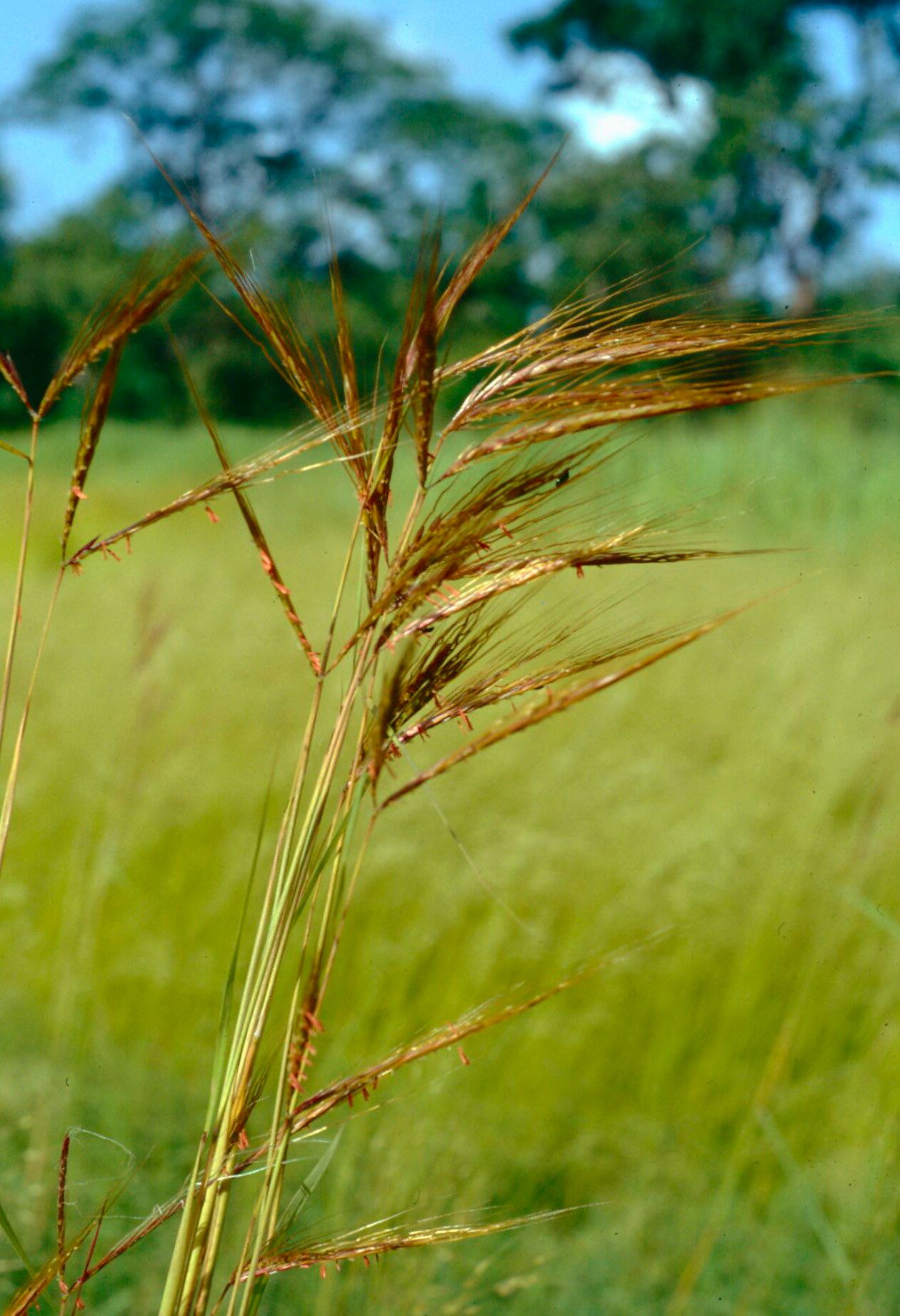
Taming the Red Grass: Propagating Hyparrhenia rufa for a Lush and Sustainable Landscape
Hyparrhenia rufa, also known as Jaragua grass or giant thatching grass, is a versatile and resilient species gaining popularity in landscaping. This fast-growing, drought-tolerant perennial boasts attractive reddish-brown seed heads and can reach heights upwards of 6 feet, adding dramatic structure and texture to any garden. But did you know that propagating this striking grass is easier than you might think? Whether you’re a seasoned gardener or a green thumb in the making, here’s a comprehensive guide to successfully propagate Hyparrhenia rufa and bring its beauty to your own backyard.
Two Paths to Propagation:
Hyparrhenia rufa can be propagated through two primary methods:
1. Seed Propagation:
- Collecting Seeds: Harvest mature, reddish-brown seed heads from existing plants. Gently shake the heads over a container to release the seeds.
- Sowing Seeds: Sow the seeds directly outdoors after the last frost in spring or start them indoors 6-8 weeks prior to the expected last frost. Scatter seeds on the surface of a well-draining seed starting mix and lightly mist them.
- Germination and Care: Ensure the soil remains consistently moist but not waterlogged. Seedlings should emerge within 1-2 weeks. Provide ample sunlight or grow lights for indoor seedlings.
2. Division:
- Timing is Key: Divide established Hyparrhenia rufa clumps in early spring or fall when the weather is cool and moist.
- Dividing the Clump: Carefully dig up a mature plant and gently separate the clump into smaller sections, ensuring each section has a good root system.
- Replanting: Replant the divisions immediately in well-prepared soil, spacing them according to the mature size of the plant. Water thoroughly after planting.
Tips for Success:
- Well-Draining Soil: Hyparrhenia rufa thrives in well-drained soil. Amend heavy clay soils with compost or sand to improve drainage.
- Sunlight Requirements: Choose a location with full sun to partial shade for optimal growth.
- Watering: While drought-tolerant once established, water your newly propagated plants regularly until they develop a strong root system.
- Fertilization: While not essential, a light application of a balanced fertilizer in spring can promote healthy growth.
Benefits Beyond Beauty:
Propagating Hyparrhenia rufa isn’t just easy, it’s environmentally friendly too. This remarkable grass offers a multitude of benefits:
- Erosion Control: Its extensive root system helps stabilize soil and prevent erosion.
- Drought Tolerance: Once established, it requires minimal watering, conserving water resources.
- Wildlife Habitat: Its dense growth provides valuable shelter and nesting material for birds and other wildlife.
By embracing these simple yet effective propagation methods, you can cultivate a thriving stand of Hyparrhenia rufa, adding an element of sustainable beauty and biodiversity to your landscape.