
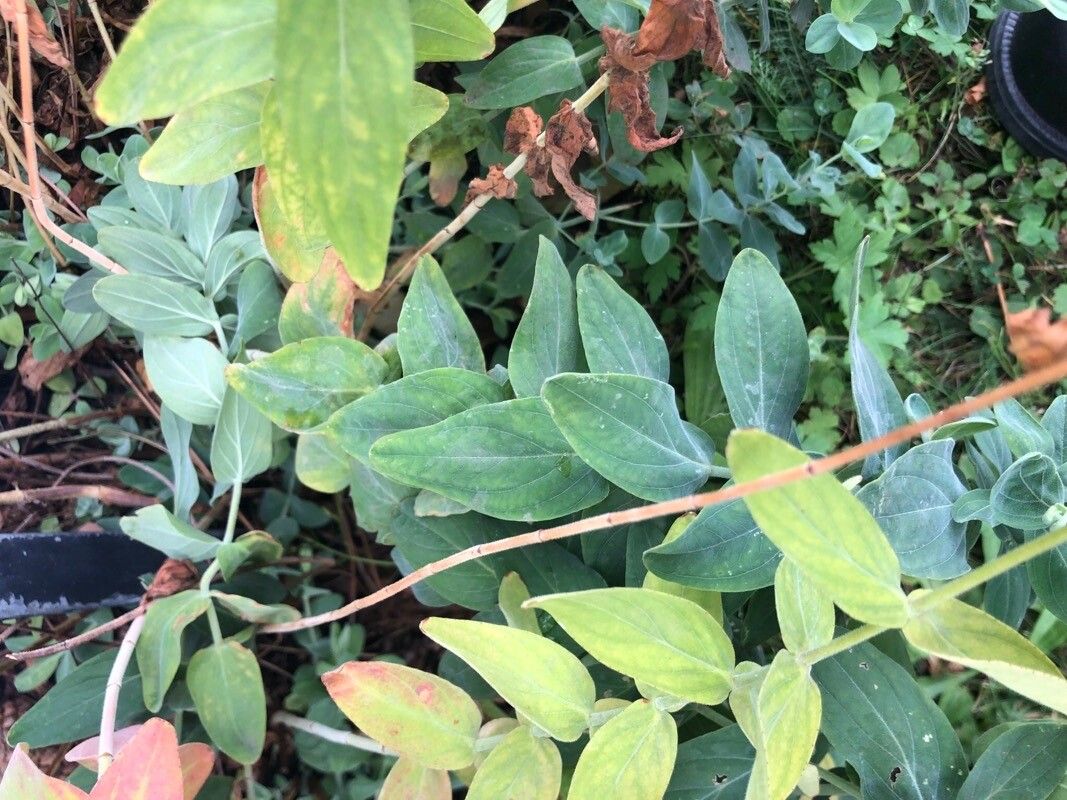
Propagating Hypericum atomarium: A Gardener’s Guide
Hypericum atomarium, also known as the ‘St. John’s Wort’, is a captivating plant prized for its delicate, airy foliage and vibrant yellow flowers. Known for its tolerance to drought and full sun, it’s a favourite amongst gardeners seeking low-maintenance, visually striking additions to their landscapes. Its compact nature makes it suitable for rock gardens, borders, or even container cultivation. However, propagating this species presents unique challenges, making success all the more rewarding.
Seed Germination:
Currently, there are no known reliable methods for seed germination propagation of Hypericum atomarium. While the plant produces seeds, their germination rate is notoriously low, and successful propagation from seed is rarely reported. Further research is needed to determine if specific pre-treatment methods (such as stratification or scarification) could improve germination rates.
Cuttings:
Cuttings offer a far more reliable method for propagating Hypericum atomarium.
- Challenges: While relatively straightforward, success hinges on proper technique and environmental conditions. Taking cuttings at the wrong time of year or providing inadequate humidity can significantly reduce success rates.
- Practical Tips: The best time to take cuttings is in spring or early summer, using semi-hardwood cuttings (cuttings taken from new growth that has started to harden). Take cuttings approximately 4-6 inches long, removing lower leaves to prevent rot. Dip the cut ends in rooting hormone for optimal results. Plant the cuttings in a well-draining propagation mix, maintaining high humidity (using a humidity dome or plastic bag) and avoiding direct sunlight.
- Rewards: Cuttings offer a relatively quick method of propagation, allowing gardeners to produce multiple plants from a single parent plant and maintain its genetic characteristics.
Division:
Division is a viable method for propagating established Hypericum atomarium plants.
- Challenges: Only suitable for well-established plants. Dividing too early may weaken the parent plant, leading to its decline. Improper division can damage the root system, resulting in poor establishment of the new plants.
- Practical Tips: The ideal time for division is in spring or autumn, when the plant is actively growing or entering dormancy. Carefully dig up the plant, gently separating the root ball into smaller sections, each with its own healthy root system and several stems. Replant the divisions immediately, ensuring they receive adequate moisture and are protected from harsh sunlight.
- Rewards: Division offers a simple and relatively fast method to increase the number of plants. It’s less technically demanding than cuttings or tissue culture.
Tissue Culture:
Tissue culture is a laboratory-based method for propagating plants using small pieces of plant tissue.
- Challenges: This method requires specialized equipment, a sterile environment, and a considerable understanding of plant tissue culture techniques. It is significantly more costly and time-consuming than other methods.
- Practical Tips: This method requires expertise and specific nutrient media for successful propagation. Specialized laboratories or nurseries are typically required.
- Rewards: Tissue culture offers the potential for large-scale propagation and disease-free plants.
Conclusion:
While seed germination proves challenging for Hypericum atomarium propagation, cuttings and division offer gardeners reliable methods for increasing their stock. Tissue culture, while potentially effective for mass production, remains a specialized and less accessible option for the home gardener. Successfully propagating this plant, despite its challenges, brings a unique satisfaction. The effort involved enhances one’s appreciation for the intricacies of plant life and the rewards of patience and skill in cultivation. For beginners, starting with cuttings is recommended, mastering this technique before venturing into division. Remember to observe your plants closely, adapt your methods as needed, and celebrate the small victories along the way. The vibrant yellow blooms of your successfully propagated Hypericum atomarium will be well worth the effort.