
From Seeds to Success: Propagating the Sun-Loving Hypochaeris Eremophila
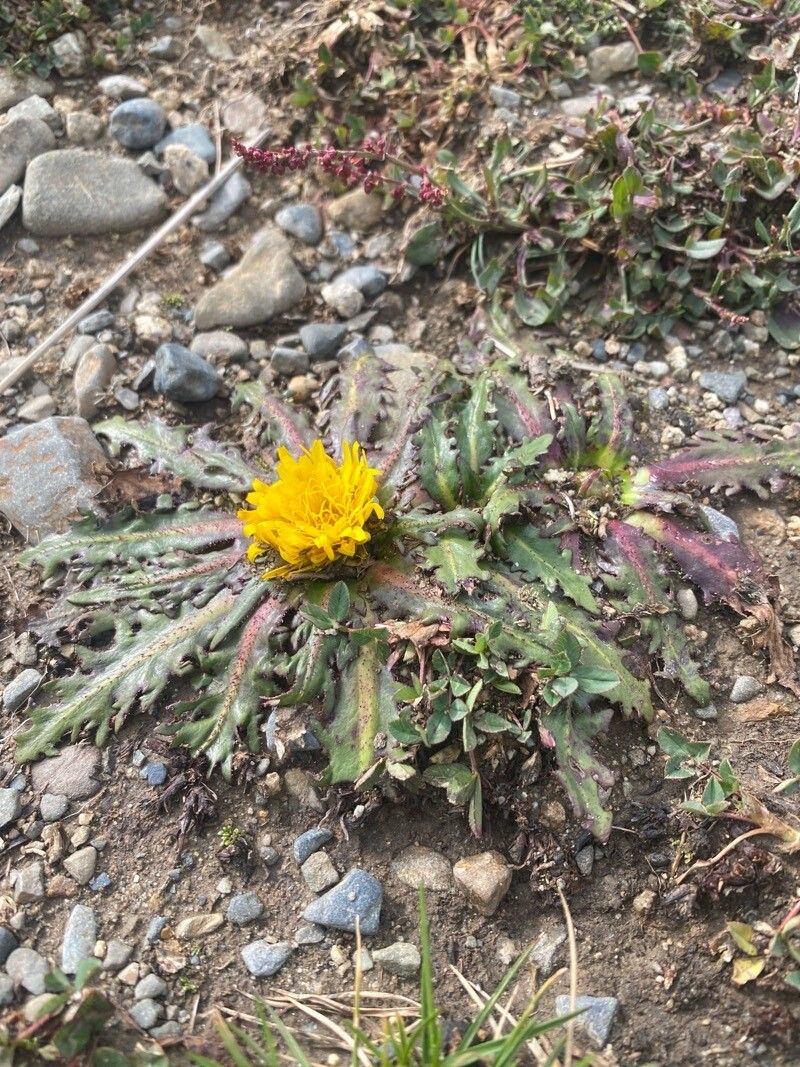
If you’re looking for a low-maintenance, drought-tolerant plant to brighten up your sunny garden, the Hypochaeris eremophila, or “False Dandelion,” might be the perfect choice. This Australian native boasts cheerful yellow blooms reminiscent of its namesake, but with captivating silvery foliage that adds a textural element to your landscape. But where can you get your hands on this beautiful plant? The answer, my friend, lies in the world of propagation.
Sowing the Seeds of Success:
The most common method of propagating Hypochaeris eremophila is by seed. This process is straightforward and surprisingly rewarding. Here’s a step-by-step guide to help you get started:
- Timing is Everything: Sow your seeds in spring or autumn when the soil is warm and the weather is mild. These plants prefer warmer temperatures, so ensure your chosen location receives plenty of sunlight.
- Prepare the Soil: Loose, well-draining soil is crucial for successful germination. You can use a commercial seed-starting mix or create your own blend of potting soil, compost, and perlite.
- Sow Shallowly: Hypochaeris eremophila seeds are tiny, almost dust-like. Sow them directly on the surface of the soil and lightly press them in, ensuring good contact with the soil.
- Moisture and Light: Keep the soil consistently moist but not waterlogged. The ideal temperature range for germination is around 70-75 degrees Fahrenheit. Use a humidity dome or cover the seed tray with plastic wrap to maintain moisture.
- Thinning is Key: Once the seedlings emerge, carefully thin them out, leaving the strongest and healthiest plants spaced approximately 6-8 inches apart.
From Seedling to Bloom:
Your Hypochaeris eremophila seedlings will take around 4-6 weeks to emerge, depending on the conditions. As they grow, continue to provide them with regular watering and allow the soil to slightly dry out between waterings. The plants are relatively fast-growing, reaching a height of 12-18 inches with a spread of up to 24 inches.
Beyond Seeds: Exploring Other Options:
While seed propagation is the most prevalent method, you can also explore other options to add your own Hypochaeris eremophila to your garden:
- Cuttings: Although less common, this method can be successful if undertaken correctly. Take stem cuttings during the spring or summer, ensuring they have a node (where the leaves attach to the stem). Dip the cut end in rooting hormone and plant them in a well-draining potting mix. Keep the cuttings moist and in a warm, bright location until they develop roots.
- Division: Once your established Hypochaeris eremophila plants have grown into a clump, you can divide them in the early spring or autumn. Carefully dig up the plant and separate the clumps, making sure each section contains healthy roots and foliage. Replant the divisions in a suitable location with well-prepared soil.
A Little Patience Pays Off:
With a little patience and the right conditions, you can successfully propagate and enjoy the cheerful blooms and silvery foliage of Hypochaeris eremophila. Whether you choose seeds, cuttings, or division, this resilient plant is sure to reward you with its beauty and adaptability. Now, go forth and grow your own patch of sunny cheer!