
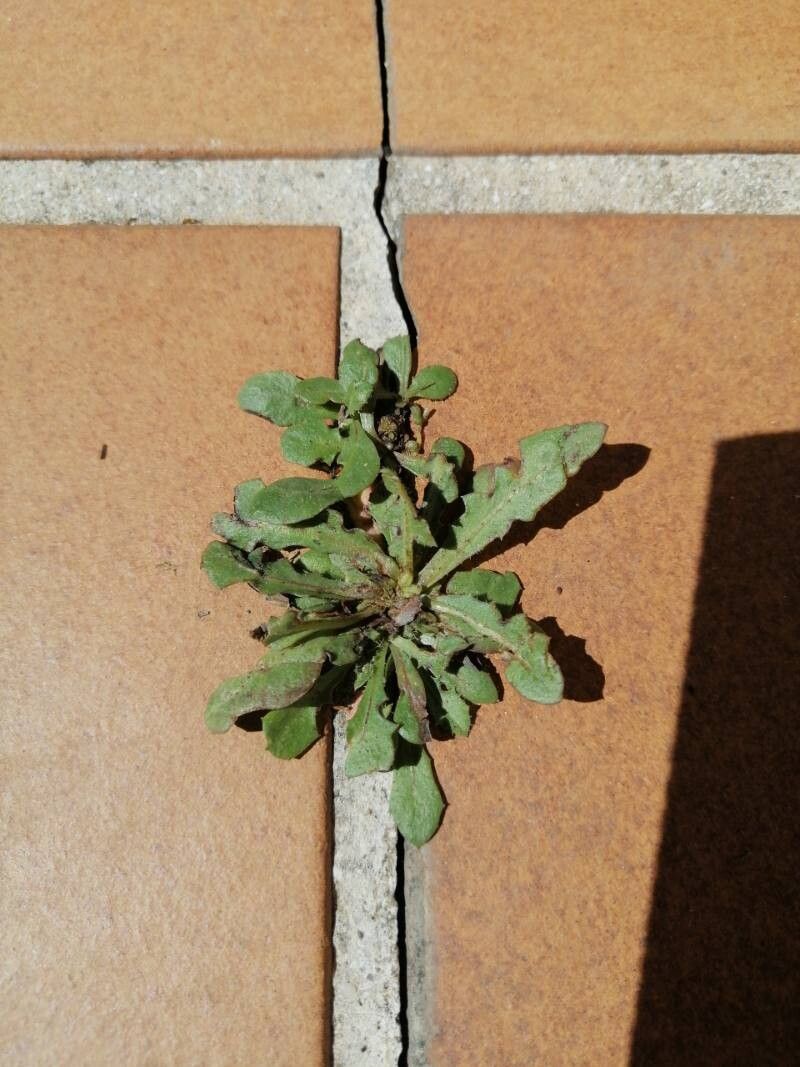
Smooth Sailing: A Guide to Propagating Smooth Cat’s Ear (Hypochaeris glabra)
The Smooth Cat’s Ear (Hypochaeris glabra) might not be the showiest plant in the garden, but for those who appreciate subtle beauty and resilience, this unassuming little wildflower can be a charming addition. Native to Europe, North Africa, and Asia, this annual thrives in poor soil and sunny conditions, rewarding gardeners with cheerful yellow blooms reminiscent of dandelions. But did you know that propagating Smooth Cat’s Ear is incredibly easy? Whether you want to expand your patch or share the joy with friends, here’s how to propagate Hypochaeris glabra successfully.
Two Easy Methods: Seed and Division
1. Seed Propagation: Embracing the Beauty of Simplicity
The most common and straightforward method for propagating Smooth Cat’s Ear is by seed. The plant readily self-seeds, often scattering its seeds far and wide on feathery parachutes. But for a more controlled approach, follow these simple steps:
- Seed Collection: Late spring to early summer is ideal for harvesting seeds. Look for the characteristic fluffy seed heads, similar to dandelions but smaller, and collect them when they turn brown and fluffy. Gently rub the heads to release the seeds.
- Sowing Directly Outdoors: Smooth Cat’s Ear prefers loose, well-drained soil and full sun to partial shade. Scatter the seeds directly onto your chosen location in fall or early spring. Lightly rake them into the soil, ensuring good contact between seed and earth.
- Starting Seeds Indoors (Optional): For an earlier start, sow seeds indoors 4-6 weeks before the last frost. Use a seed starting mix and maintain consistent moisture. Once seedlings have developed a few sets of true leaves, harden them off for a week before transplanting outside.
2. Division: Sharing the Love (and Roots!)
While not as common as seed propagation, dividing established Smooth Cat’s Ear plants is a great way to thin out a crowded patch and create new plants simultaneously. This method works best in early spring when the plants are actively growing.
- Careful Uplifting: Gently dig around a healthy plant, ensuring you capture the entire root system. Using a garden fork rather than a shovel minimizes root disturbance.
- Division Technique: Carefully tease apart the plant at its base, separating it into smaller clumps, each with a good amount of roots and foliage. A sharp, clean knife can be helpful for dividing larger, denser root balls.
- Replanting: Transplant the divisions immediately into their new locations, spacing them about 12 inches apart. Water thoroughly and provide consistent moisture until the plants establish themselves.
Tips for Success
- Patience is Key: While Smooth Cat’s Ear is generally a fast-growing plant, remember that seedlings can take some time to establish.
- Watering Wisely: Keep the soil consistently moist, especially for newly planted seeds or divisions. However, avoid waterlogging, as it can lead to root rot.
- Minimal Fertilization: Smooth Cat’s Ear thrives in poor soil conditions. In most cases, additional fertilization is unnecessary and can even hinder growth.
- Embrace Self-Seeding: Allow some plants to go to seed and spread naturally in your garden. This creates a charming, self-sustaining wildflower patch.
Propagating Smooth Cat’s Ear is truly a simple pleasure, and the results are well worth the minimal effort. Whether you’re a seasoned gardener or a curious beginner, this low-maintenance wildflower offers an easy and rewarding way to add a touch of sunshine to your green spaces.