
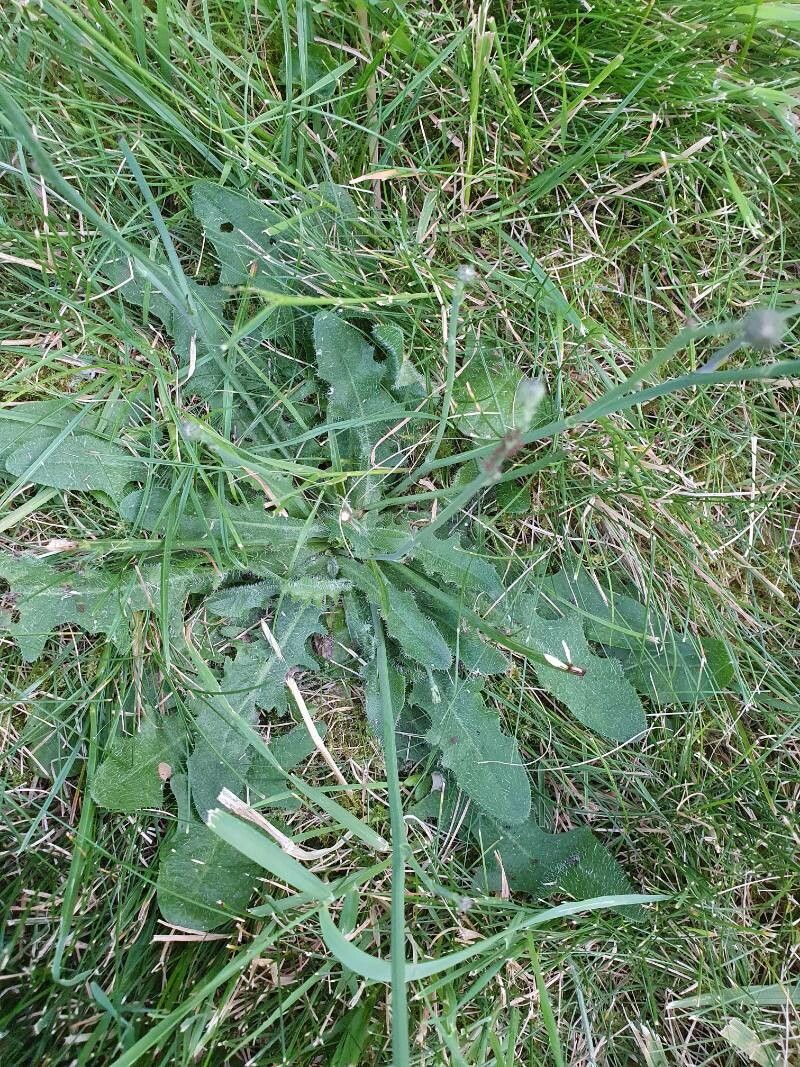
From Weed to Wonder: Propagating the Resilient Hypochaeris radicata
You might know it as the “cat’s ear” or the “flatweed” – an unwelcome guest in your lawn. But Hypochaeris radicata, despite its common names suggesting otherwise, can be a fascinating and surprisingly beautiful plant to cultivate. Its bright yellow daisy-like flowers and feathery leaves make it an interesting addition to a wildflower meadow or a low-maintenance garden bed. And best of all, with a little patience and care, you can easily propagate this resilient plant yourself!
Hypochaeris radicata can be propagated through two primary methods: seeds and divisions. While it’s a prolific seeder in the wild, starting from seed enables you to control the location and number of plants.
Growing from Seeds:
- Seed Collection: Gather ripe seed heads in late summer or early fall. The seeds are nestled within a fluffy ball of white hairs, similar to a dandelion. Let the seed heads dry thoroughly before collecting the seeds.
- Sowing: Sow the seeds directly into the ground in early spring or late summer. Hypochaeris radicata thrives in full sun to part shade and well-drained soil.
- Germination: Seeds typically germinate within 2-3 weeks. Keep the soil consistently moist but not waterlogged. Thin out seedlings as needed, leaving about 12 inches between each plant.
Divisions:
- Timing: The best time to divide Hypochaeris radicata is in spring or fall when the plant is actively growing.
- Process: Carefully dig up a clump of plants and separate it into smaller divisions, each containing roots and a healthy green bud.
- Planting: Replant the divisions immediately in a well-prepared bed with good drainage. Water thoroughly to help the plants establish themselves.
Cultivation Tips:
- Hypochaeris radicata is a drought-tolerant plant, so it doesn’t need a lot of water. Water regularly during dry spells, especially during establishment.
- As a vigorous grower, Hypochaeris radicata can quickly spread if left unchecked. Monitor its growth and remove any unwanted plants from your garden.
- This plant is remarkably resistant to pests and diseases, making it a low-maintenance option for the garden.
Beyond the Backyard:
- Hypochaeris radicata is a valuable food source for various wildlife, including insects, birds, and small mammals.
- Its leaves are edible and can be used in salads or cooked like spinach. However, it’s important to note that it’s often considered a weed in the wild, so it’s crucial to only use plants you have cultivated yourself for edible purposes.
While Hypochaeris radicata may not always be welcome in manicured lawns, its ability to thrive in diverse habitats and provide sustenance for wildlife makes it a fascinating plant to observe and cultivate. By understanding its propagation methods and cultivation requirements, you can unlock its resilience and beauty, transforming this often overlooked weed into a cherished member of your garden.