
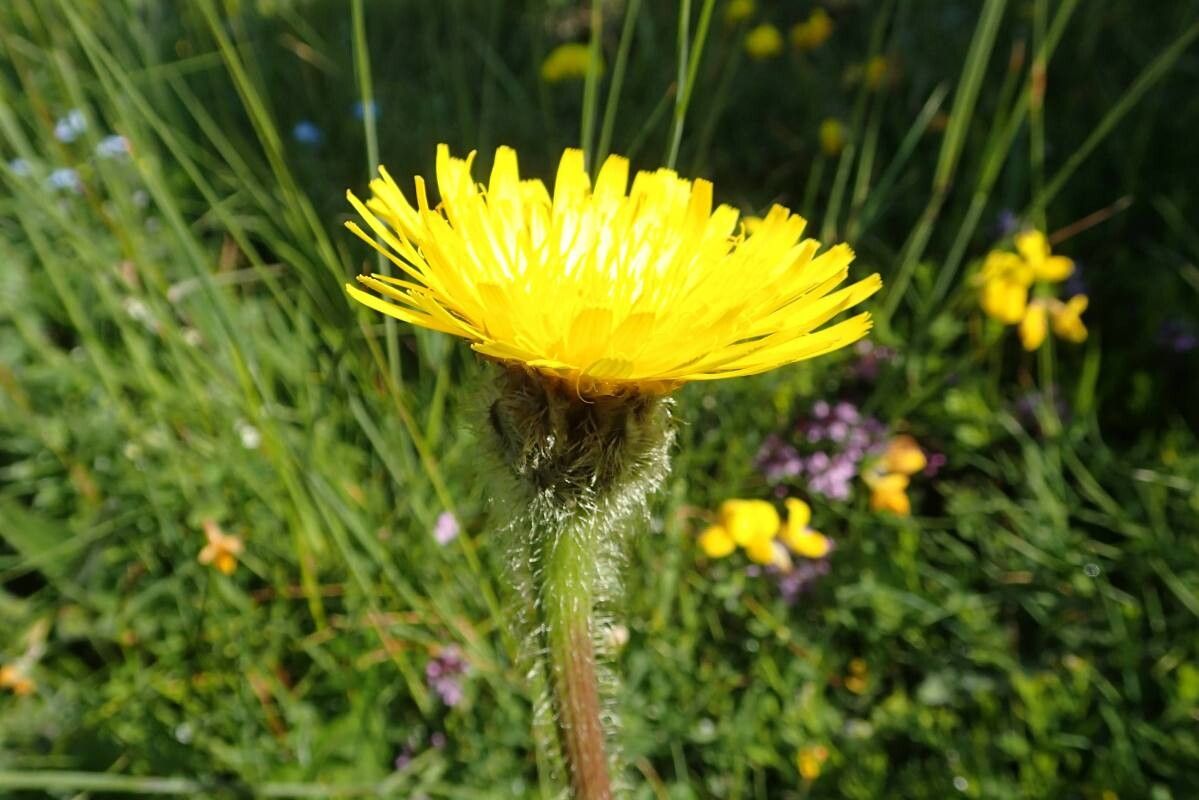
Propagating the Yellow Cat’s Ear: A Guide to Hypochaeris uniflora
Introduction:
Hypochaeris uniflora, commonly known as the Yellow Cat’s Ear, is a charming alpine perennial prized for its cheerful, bright yellow, dandelion-like flowers and its ability to thrive in challenging, rocky environments. This makes it a sought-after plant for rock gardens, alpine houses, and even containers, adding a splash of vibrant color to otherwise austere landscapes. Its relatively compact size and tolerance of poor soils enhance its horticultural value. However, propagating Hypochaeris uniflora presents certain challenges, making successful cultivation all the more rewarding.
Seed Germination:
Currently, there are no known reliable methods for seed germination propagation of Hypochaeris uniflora. While the plant does produce seeds, their germination rate is notoriously low, and successful germination under cultivated conditions has not been widely documented. This may be due to a combination of factors, including dormancy mechanisms and specific germination requirements not yet fully understood. Further research is needed to determine optimal conditions for seed germination, if such conditions even exist.
Cuttings:
Propagating Hypochaeris uniflora via cuttings is also challenging and generally considered unreliable. While some sources suggest basal cuttings might be possible, the success rate is likely very low. The plant’s physiology may not readily lend itself to rooting from cuttings, requiring specific hormonal treatments and precise environmental control that haven’t been successfully established.
Division:
Division offers the most reliable method for propagating Hypochaeris uniflora. Established plants, after several years of growth, can be carefully divided in spring or autumn.
Challenges: The root system of Yellow Cat’s Ear is relatively delicate, making careful division crucial to avoid damaging the plant. Each division should ideally possess a healthy portion of root and several growing points.
Practical Tips: Use a sharp, clean knife or spade to divide the clump. Plant the divisions immediately into well-drained, gritty soil, ensuring the crown is at or slightly above the soil surface. Water gently after planting.
Rewards: Division offers the highest success rate, preserving the genetic identity of the parent plant and allowing for a relatively quick increase in the number of plants.
Tissue Culture:
Tissue culture techniques haven’t been widely explored for Hypochaeris uniflora. While theoretically viable, establishing a reliable tissue culture protocol would require significant experimentation to determine the optimal medium, growth regulators, and sterilization procedures. This process is complex, time-consuming, and requires specialized equipment and expertise, making it generally impractical for the average gardener.
Conclusion:
Propagating Hypochaeris uniflora presents a unique set of challenges. While seed germination and cuttings appear largely unsuccessful, division offers a viable and relatively simple method for increasing plant numbers. Tissue culture remains unexplored, potentially offering future avenues for large-scale propagation but demanding significant expertise and resources. The difficulty in propagation only adds to the satisfaction of successfully nurturing these charming plants. For aspiring propagators, patience, meticulous attention to detail, and a willingness to experiment (especially with division) are key to success. The vibrant yellow flowers that reward your efforts make the endeavour well worth the time and care involved.