
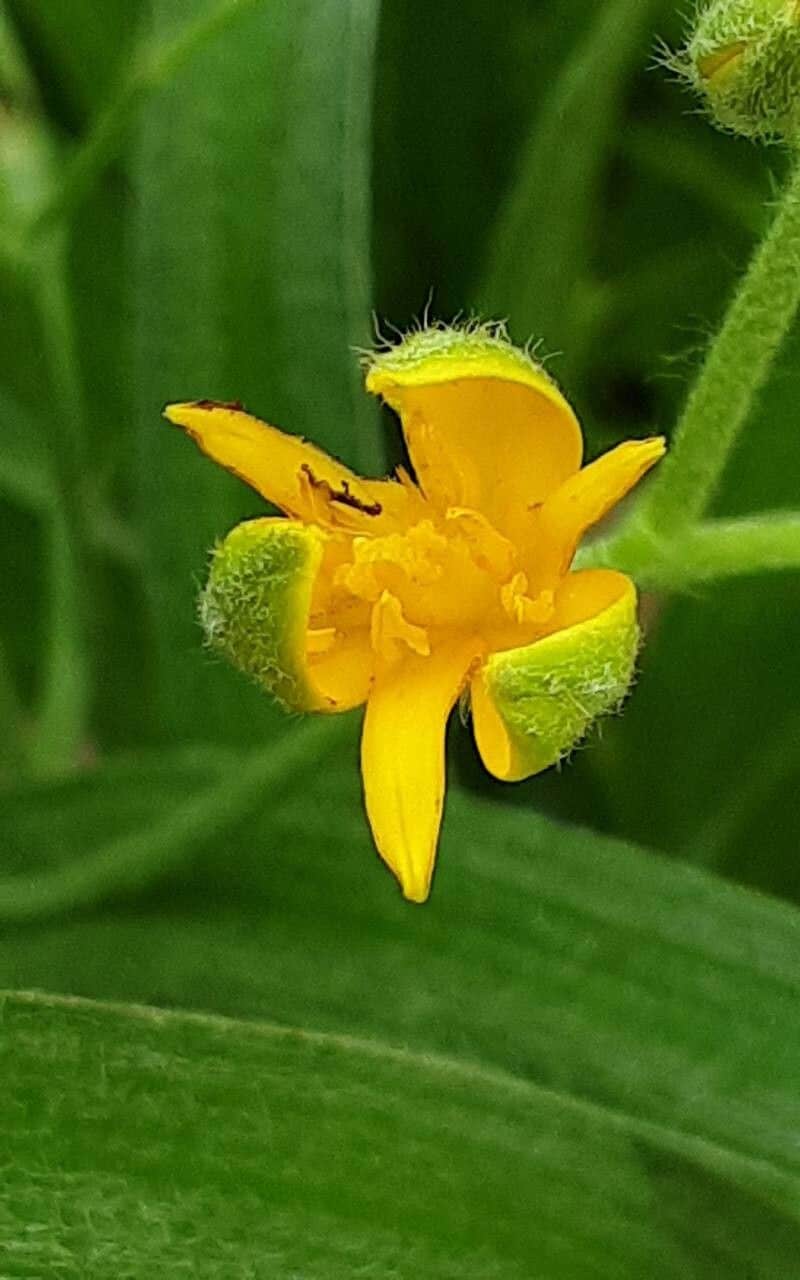
Wake Up Your Garden with Star-Grass: A Guide to Propagating Hypoxis hirsuta
Springing up in meadows and woodland edges, Hypoxis hirsuta, more commonly known as Star-grass, is a delightful little wildflower that can bring a touch of sunshine to any garden. Its cheery yellow, star-shaped blooms are a welcome sight in early spring, and the plant’s low-maintenance nature makes it a favorite among beginner and experienced gardeners alike. Intrigued? Let’s explore how to propagate this charming native plant and invite its cheerful presence into your own outdoor space.
Two Paths to Propagation:
There are two primary methods for propagating Star-grass:
1. Seed Starting: A Journey of Patience and Reward
While slightly more time-consuming, starting Star-grass from seed offers a deeply rewarding experience. Here’s how:
- Seed Collection: In late summer to early fall, keep an eye out for the developing seed pods. Once they turn brown and begin to split open, gently collect the tiny black seeds inside.
- Cold Stratification: Star-grass seeds benefit from a period of cold treatment to break their dormancy. Mix the seeds with damp sand or vermiculite, store them in a sealed bag, and place the bag in your refrigerator for 6-8 weeks.
- Sowing Time: Once the cold period is complete, you can sow the seeds directly outdoors in early spring or start them indoors about 6-8 weeks before the last expected frost.
- Light and Soil: Choose a location with partial shade and well-drained soil. Sow the seeds on the soil surface and lightly press them in, keeping them consistently moist but not waterlogged.
- Germination: Be patient; germination can take anywhere from a few weeks to a couple of months.
2. Division: A Shortcut to Success
For a quicker approach, division is a reliable method for propagating Star-grass:
- Timing is Key: The best time to divide Star-grass is in early spring or fall after the plant has finished flowering.
- Digging Up the Clumps: Carefully dig around the plant, ensuring you get a good portion of the root system.
- Separation: Gently separate the plant into smaller clumps, ensuring that each section has a healthy amount of roots and shoots.
- Replanting: Choose a location with partial shade and well-drained soil. Plant the divisions at the same depth they were originally growing, water them thoroughly, and mulch around the base to retain moisture.
Caring for Your Starry Expanse
Once established, Star-grass is remarkably low-maintenance. Simply provide it with:
- Light: Partial shade is ideal, but it can tolerate some sun, especially in cooler climates.
- Water: Water regularly during dry spells, but avoid overwatering, as this can lead to root rot.
- Soil: Well-drained soil is essential.
- Fertilizer: Star-grass is a light feeder and generally doesn’t require fertilizer.
Whether you choose the rewarding journey of seed starting or the swift satisfaction of plant division, propagating Hypoxis hirsuta is an accessible and fulfilling way to bring a touch of woodland charm to gardens of all sizes. So go ahead, invite the Star-grass’s cheery blooms into your outdoor space, and let its sunny disposition brighten your days.